THE ADVENTURE COLLECTIVE® · Independent discovery and booking for outdoor travel

A condensed, four-day push from Pokhara to Annapurna Base Camp designed for experienced trekkers. Expect steep elevation gains, long hiking days, and high-altitude rewards—best for those who’ve been above 4,000 m before.
A condensed, four-day push from Pokhara to Annapurna Base Camp designed for experienced trekkers. Expect steep elevation gains, long hiking days, and high-altitude rewards—best for those who’ve been above 4,000 m before.
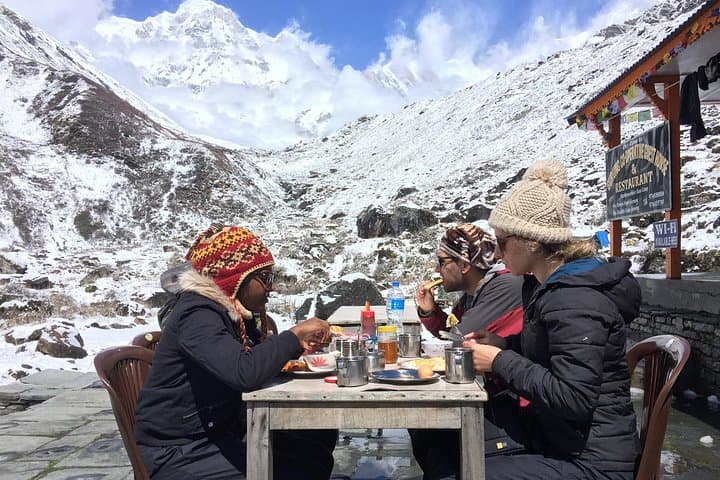
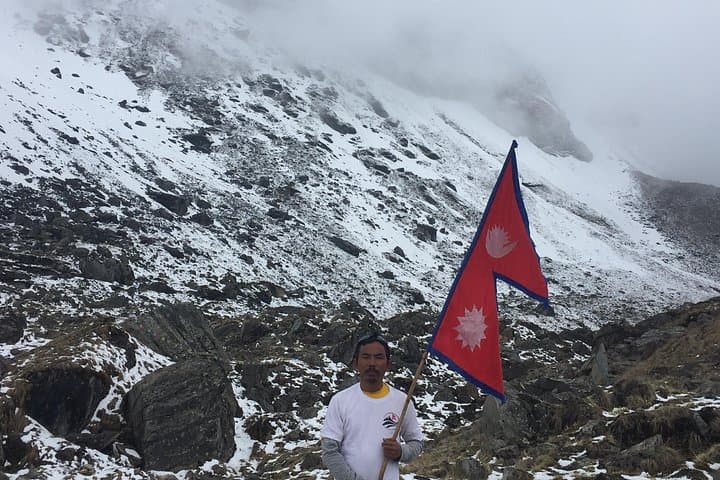
Morning fog peels off the terraced hills outside Pokhara as a 4WD grinds toward Siwai; by mid-morning the trail narrows to a ribbon of stone and roots where your breath and the mountain’s rhythm set the pace. Trees hush and the Annapurna massif looms—Machchhapuchchhre (Fishtail) like a watchful ridge—pulling you higher through rhododendron groves and stone teahouses.
Verified experiences and guided adventures in the surrounding area.
Operated by Nepal Mountain Club Pvt Ltd · Pokhara, Gandaki Province
Morning fog peels off the terraced hills outside Pokhara as a 4WD grinds toward Siwai; by mid-morning the trail narrows to a ribbon of stone and roots where your breath and the mountain’s rhythm set the pace. Trees hush and the Annapurna massif looms—Machchhapuchchhre (Fishtail) like a watchful ridge—pulling you higher through rhododendron groves and stone teahouses.
This route compresses the classic Annapurna Base Camp approach into four hard days, pushing elevation quickly from ~900 m in Pokhara to 4,130 m at ABC. Geologically the Annapurna range is young Himalaya—steep, glaciated valleys carved by uplift and ice. Culturally the trail threads Gurung and Magar villages where slate roofs, prayer flags and farmhouse terraces mark centuries of mountain life. The area sits inside the Annapurna Conservation Area, long managed to balance tourism and local stewardship.
Expect long days: Day 1 climbs to Sinuwa (~2,340 m), Day 2 gains to Deurali (~3,200 m), Day 3 reaches MBC then ABC at ~4,130 m before descending, and Day 4 drops to Jhinu Hot Springs then returns by jeep. Acclimatization windows are short—this option is for trekkers with prior 4,000 m+ experience and strong fitness.
Practical guidance: carry layered insulation for cold nights, a reliable headlamp, and daily hydration of 3–4 liters while using electrolyte supplements. Trekking poles ease steep sections; waterproof boots and a fitted sleeping bag rated to -10°C will make teahouse nights tolerable. Start early to avoid afternoon clouds, monitor for acute mountain sickness, and use the guide’s judgment on pace. Move deliberately—this fast-track rewards confident, prepared trekkers with broad Himalayan skies and close-up glacier faces.
No. The four‑day schedule compresses acclimatization and requires prior high‑altitude experience and good fitness.
You need the Annapurna Conservation Area Permit (ACAP) and a TIMS card; guides typically arrange these before departure.
Yes—basic teahouse lodges along the route provide dinner and a simple bed; a sleeping bag is usually required.
This specific product is guided and private; independent trekking is possible in the region but requires arranging permits, gear, and logistics yourself.
Nepal Mountain Club Pvt Ltd operates guided outdoor trips and adventures with an emphasis on safety, stewardship, and memorable experiences.
Morning fog peels off the terraced hills outside Pokhara as a 4WD grinds toward Siwai; by mid-morning the trail narrows to a ribbon of stone and roots where your breath and the mountain’s rhythm set the pace. Trees hush and the Annapurna massif looms—Machchhapuchchhre (Fishtail) like a watchful ridge—pulling you higher through rhododendron groves and stone teahouses.
Morning fog peels off the terraced hills outside Pokhara as a 4WD grinds toward Siwai; by mid-morning the trail narrows to a ribbon of stone and roots where your breath and the mountain’s rhythm set the pace. Trees hush and the Annapurna massif looms—Machchhapuchchhre (Fishtail) like a watchful ridge—pulling you higher through rhododendron groves and stone teahouses.
This route compresses the classic Annapurna Base Camp approach into four hard days, pushing elevation quickly from ~900 m in Pokhara to 4,130 m at ABC. Geologically the Annapurna range is young Himalaya—steep, glaciated valleys carved by uplift and ice. Culturally the trail threads Gurung and Magar villages where slate roofs, prayer flags and farmhouse terraces mark centuries of mountain life. The area sits inside the Annapurna Conservation Area, long managed to balance tourism and local stewardship.
Expect long days: Day 1 climbs to Sinuwa (~2,340 m), Day 2 gains to Deurali (~3,200 m), Day 3 reaches MBC then ABC at ~4,130 m before descending, and Day 4 drops to Jhinu Hot Springs then returns by jeep. Acclimatization windows are short—this option is for trekkers with prior 4,000 m+ experience and strong fitness.
Practical guidance: carry layered insulation for cold nights, a reliable headlamp, and daily hydration of 3–4 liters while using electrolyte supplements. Trekking poles ease steep sections; waterproof boots and a fitted sleeping bag rated to -10°C will make teahouse nights tolerable. Start early to avoid afternoon clouds, monitor for acute mountain sickness, and use the guide’s judgment on pace. Move deliberately—this fast-track rewards confident, prepared trekkers with broad Himalayan skies and close-up glacier faces.