THE ADVENTURE COLLECTIVE® · Independent discovery and booking for outdoor travel

Short on time in Beijing? This focused 2-hour private walking tour unlocks the Forbidden City’s top halls and inner court with a local guide—perfect for first-time visitors who want history, highlights, and efficient logistics.
Short on time in Beijing? This focused 2-hour private walking tour unlocks the Forbidden City’s top halls and inner court with a local guide—perfect for first-time visitors who want history, highlights, and efficient logistics.
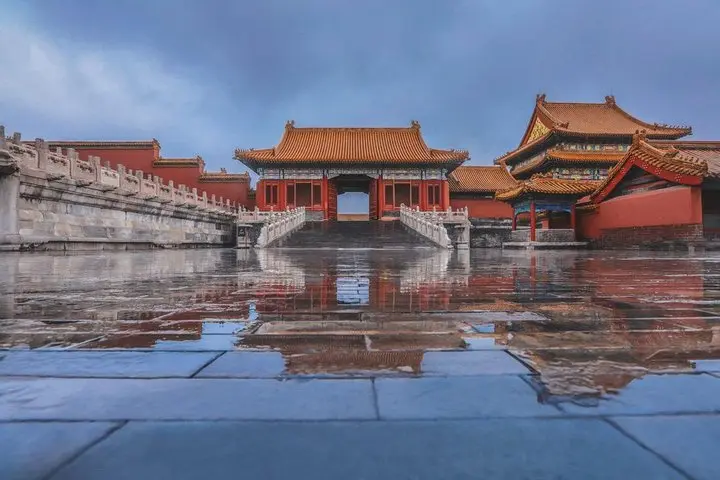
You step through a wide gate and the city noise narrows to the measured footfalls of courtyards and the click of camera shutters. Red walls rise and golden roofs catch the light—this is the Forbidden City, once off-limits to ordinary citizens, now open to those who want its stories fast and clear.
Verified experiences and guided adventures in the surrounding area.
Operated by Unique Beijing Tours · Beijing, Beijing
You step through a wide gate and the city noise narrows to the measured footfalls of courtyards and the click of camera shutters. Red walls rise and golden roofs catch the light—this is the Forbidden City, once off-limits to ordinary citizens, now open to those who want its stories fast and clear.
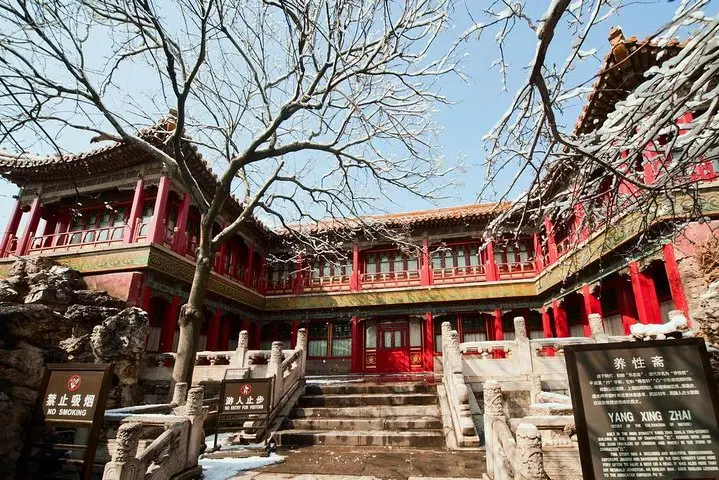
Built in the early 15th century under the Ming dynasty and expanded by the Qing, the palace complex is an exercise in imperial geometry and ceremonial intent: axial symmetry, layered halls and rooflines that declare rank. Stone-carved dragons and glazed tiles trace a continuity of craft; the Imperial Garden offers quieter relief amid ancient cypresses and rockeries where court life once paused.
Culturally, the site anchors modern Beijing—its gates fronting Tian’anmen Square and a national narrative that alternates preservation with public access. Practically, a focused two-hour private walk concentrates on the Hall of Supreme Harmony, the inner courts and the empress’s quarters, guided explanations turning repetitive halls into readable chapters of governance, ritual and daily life.
Expect brisk walking on paved courtyards, many stairs and crowds that vary by season. Bring a valid passport for entry, time your visit early or late in the day to avoid peak flows, and choose the Comfort upgrade if door-to-door transit matters. Your guide can tailor the pace—and leave you with recommendations for lingering in the Imperial Garden or continuing toward the nearby hutongs. This tour is for travelers short on time who want context as well as the view.
Yes—your passport is required for booking and will be checked on the day for admission into the Forbidden City.
Tian’anmen often involves separate security and long queues; the two-hour tour focuses on the Forbidden City, though the Comfort option can include a drive-by and photo stops.
Many areas and surfaces are wheelchair accessible, but there are stairs in some palace sections—check with the operator for tailored accessibility plans.
Early morning openings and late afternoon slots are typically quieter; avoid national holidays and weekend mid-mornings when possible.
Unique Beijing Tours operates guided outdoor trips and adventures with an emphasis on safety, stewardship, and memorable experiences.


You step through a wide gate and the city noise narrows to the measured footfalls of courtyards and the click of camera shutters. Red walls rise and golden roofs catch the light—this is the Forbidden City, once off-limits to ordinary citizens, now open to those who want its stories fast and clear.
You step through a wide gate and the city noise narrows to the measured footfalls of courtyards and the click of camera shutters. Red walls rise and golden roofs catch the light—this is the Forbidden City, once off-limits to ordinary citizens, now open to those who want its stories fast and clear.
Built in the early 15th century under the Ming dynasty and expanded by the Qing, the palace complex is an exercise in imperial geometry and ceremonial intent: axial symmetry, layered halls and rooflines that declare rank. Stone-carved dragons and glazed tiles trace a continuity of craft; the Imperial Garden offers quieter relief amid ancient cypresses and rockeries where court life once paused.
Culturally, the site anchors modern Beijing—its gates fronting Tian’anmen Square and a national narrative that alternates preservation with public access. Practically, a focused two-hour private walk concentrates on the Hall of Supreme Harmony, the inner courts and the empress’s quarters, guided explanations turning repetitive halls into readable chapters of governance, ritual and daily life.
Expect brisk walking on paved courtyards, many stairs and crowds that vary by season. Bring a valid passport for entry, time your visit early or late in the day to avoid peak flows, and choose the Comfort upgrade if door-to-door transit matters. Your guide can tailor the pace—and leave you with recommendations for lingering in the Imperial Garden or continuing toward the nearby hutongs. This tour is for travelers short on time who want context as well as the view.