THE ADVENTURE COLLECTIVE® · Independent discovery and booking for outdoor travel

Ride a fat bike across the shifting ridges of the Tottori Sand Dunes, pause for world‑class sand sculptures at the Sand Museum, and refuel with a seafood lunch at Sakyu Center. This active half‑day experience blends coastal geology, culture, and hands‑on outdoor fun.
Ride a fat bike across the shifting ridges of the Tottori Sand Dunes, pause for world‑class sand sculptures at the Sand Museum, and refuel with a seafood lunch at Sakyu Center. This active half‑day experience blends coastal geology, culture, and hands‑on outdoor fun.
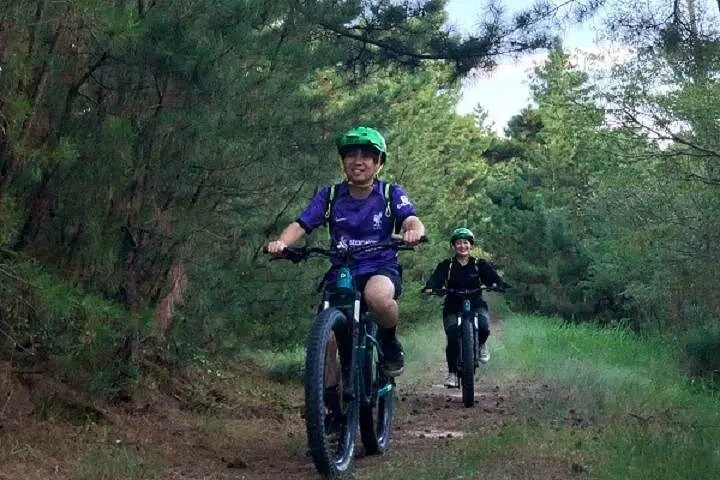
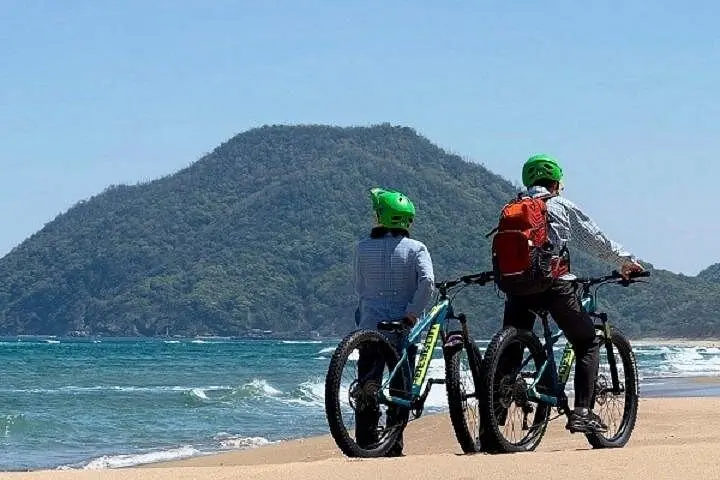
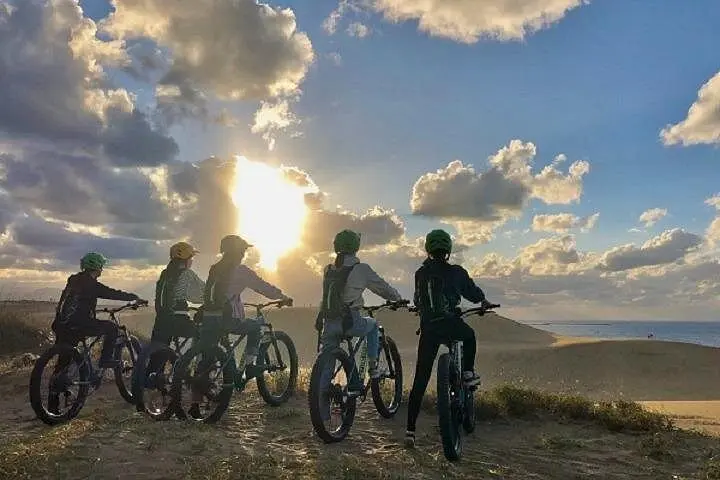
A cold wind pushes salt and sand across a near‑shore plateau as your fat bike tires roll over soft ridges—the dunes open in front of you, raw and exposed to the Sea of Japan. On this full‑day outing you split time between active riding across packed beach, loose cresting sand and compact trail, a curated visit to the Sand Museum, and a seafood lunch at Sakyu Center.
Verified experiences and guided adventures in the surrounding area.
Operated by Discover Chugoku Shikoku (DiCS) · Tottori, Tottori Prefecture
A cold wind pushes salt and sand across a near‑shore plateau as your fat bike tires roll over soft ridges—the dunes open in front of you, raw and exposed to the Sea of Japan. On this full‑day outing you split time between active riding across packed beach, loose cresting sand and compact trail, a curated visit to the Sand Museum, and a seafood lunch at Sakyu Center.
Geology here is visible: wind‑blown quartz and shell fragments piled over millennia, forming dunes that reach roughly 50 meters in places and stretch along the coast for about 16 kilometers. Human history at Tottori mixes fishing and port towns with a modern twist: the Sand Museum, opened in 2006, stages rotating international sand sculptures that amplify cultural themes each season. Local guides weave stories about coastal currents, seasonal bird migrations, and how communities manage shifting sand to protect farmland and habitat.
Expect a ride distance of roughly 8–12 km on the bike portion with minimal sustained elevation gain but frequent short climbs over dune crests—technical handling on soft sand matters more than uphill fitness. Practical notes: layers for wind, goggles or sunglasses to block sand, and a windproof jacket; bring water, a camera, and shoes that can shed sand. Helmets and instructor guidance are provided; moderate fitness and comfort on two wheels make the day enjoyable. The route alternates between open, windy exposures and quieter beach fringes—nature will test your balance and reward you with wide ocean views and sculpted sandforms.
No—guides provide instruction and the route suits beginners with basic cycling ability; however, comfort on loose sand helps.
Yes—fat bikes, helmets and essential safety gear are included in the tour price.
The ride portion is typically 8–12 km across beach, dunes and trail with minimal sustained elevation but technical short climbs over dune crests.
Yes—the Sand Museum allows photos (check exhibit rules for flash) and guides often stop at scenic vistas for commemorative shots.
Discover Chugoku Shikoku (DiCS) operates guided outdoor trips and adventures with an emphasis on safety, stewardship, and memorable experiences.
A cold wind pushes salt and sand across a near‑shore plateau as your fat bike tires roll over soft ridges—the dunes open in front of you, raw and exposed to the Sea of Japan. On this full‑day outing you split time between active riding across packed beach, loose cresting sand and compact trail, a curated visit to the Sand Museum, and a seafood lunch at Sakyu Center.
A cold wind pushes salt and sand across a near‑shore plateau as your fat bike tires roll over soft ridges—the dunes open in front of you, raw and exposed to the Sea of Japan. On this full‑day outing you split time between active riding across packed beach, loose cresting sand and compact trail, a curated visit to the Sand Museum, and a seafood lunch at Sakyu Center.
Geology here is visible: wind‑blown quartz and shell fragments piled over millennia, forming dunes that reach roughly 50 meters in places and stretch along the coast for about 16 kilometers. Human history at Tottori mixes fishing and port towns with a modern twist: the Sand Museum, opened in 2006, stages rotating international sand sculptures that amplify cultural themes each season. Local guides weave stories about coastal currents, seasonal bird migrations, and how communities manage shifting sand to protect farmland and habitat.
Expect a ride distance of roughly 8–12 km on the bike portion with minimal sustained elevation gain but frequent short climbs over dune crests—technical handling on soft sand matters more than uphill fitness. Practical notes: layers for wind, goggles or sunglasses to block sand, and a windproof jacket; bring water, a camera, and shoes that can shed sand. Helmets and instructor guidance are provided; moderate fitness and comfort on two wheels make the day enjoyable. The route alternates between open, windy exposures and quieter beach fringes—nature will test your balance and reward you with wide ocean views and sculpted sandforms.