THE ADVENTURE COLLECTIVE® · Independent discovery and booking for outdoor travel

Experience a full day from Lisbon visiting Fatima’s pilgrimage sites, the Gothic grandeur of Batalha, the towering waves at Nazaré, and medieval Óbidos with a chocolate cup of ginjinha. This practical guide outlines what to expect, what to bring, and how to make the most of the route.
Experience a full day from Lisbon visiting Fatima’s pilgrimage sites, the Gothic grandeur of Batalha, the towering waves at Nazaré, and medieval Óbidos with a chocolate cup of ginjinha. This practical guide outlines what to expect, what to bring, and how to make the most of the route.
You step off the air-conditioned minivan and the air changes: an inland hush around Fatima, a salt-breathed Atlantic at Nazaré that seems to dare you to look over the cliffs. The route threads between plateaus and coast, trading monastery façades for whitewashed village lanes and the roar of surf seen from Sitio.
Verified experiences and guided adventures in the surrounding area.
Operated by Road Tours · Lisbon, Lisbon
You step off the air-conditioned minivan and the air changes: an inland hush around Fatima, a salt-breathed Atlantic at Nazaré that seems to dare you to look over the cliffs. The route threads between plateaus and coast, trading monastery façades for whitewashed village lanes and the roar of surf seen from Sitio.
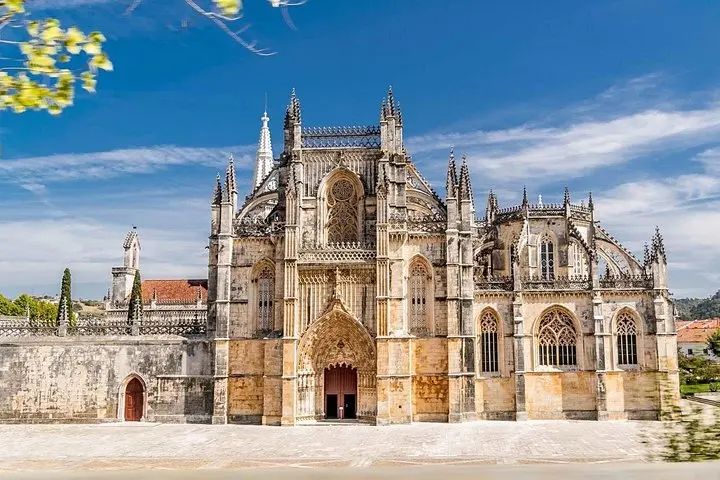
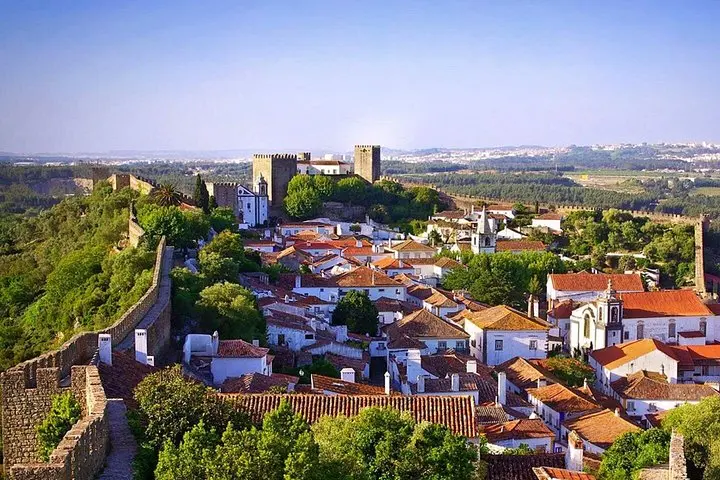
The day moves through layers of Portuguese history — Fatima’s 1917 apparitions and simple shepherd paths in Aljustrel; Batalha’s 14th-century monastery born of victory at Aljubarrota; the fishing culture of Nazaré where seasonal swells bend the ocean into mountainous waves; and Óbidos, a fortified medieval villa that still keeps its narrow streets and craft workshops.
Geology is visible: limestone cliffs and sandy beaches of the Silver Coast, folded Cretaceous sediments sculpting the headlands that focus Nazaré’s giant waves. Cultural notes: devotional rituals and candlelit processions in Fatima, small-scale fishing traditions in Nazaré, and the sweet bite of Ginjinha in Óbidos served inside a chocolate cup.
Practical guidance: expect a full nine-hour day with moderate walking on cobbles and some short uphill stretches to viewpoints. Bring layered clothing for coastal winds, comfortable shoes for uneven pavements, sun protection, and a small daypack for water and camera. If you want the big-wave spectacle, time the visit for autumn–winter swell season and head to Sitio viewpoint early to beat crowds. Respect shrine etiquette at Fatima: quiet zones, no flashes inside churches, and modest dress for religious spaces.
The tour is approximately nine hours with several short walks at each stop—expect up to 1–2 miles of walking spread across sites on cobbles and viewpoints.
Standard bookings typically include transport and guide services; individual monument admissions are not always included—confirm at booking for sites like Batalha Monastery if you plan to enter interior areas.
Yes—infants and small children can use strollers; the tour provides infant seats. Note that some streets and ramps are uneven, so a lightweight, maneuverable stroller is best.
Giant Atlantic swells arrive in autumn and winter; to witness record-breaking surf, plan visits between October and February and check local surf reports and viewpoint access.
Road Tours operates guided outdoor trips and adventures with an emphasis on safety, stewardship, and memorable experiences.


You step off the air-conditioned minivan and the air changes: an inland hush around Fatima, a salt-breathed Atlantic at Nazaré that seems to dare you to look over the cliffs. The route threads between plateaus and coast, trading monastery façades for whitewashed village lanes and the roar of surf seen from Sitio.
You step off the air-conditioned minivan and the air changes: an inland hush around Fatima, a salt-breathed Atlantic at Nazaré that seems to dare you to look over the cliffs. The route threads between plateaus and coast, trading monastery façades for whitewashed village lanes and the roar of surf seen from Sitio.
The day moves through layers of Portuguese history — Fatima’s 1917 apparitions and simple shepherd paths in Aljustrel; Batalha’s 14th-century monastery born of victory at Aljubarrota; the fishing culture of Nazaré where seasonal swells bend the ocean into mountainous waves; and Óbidos, a fortified medieval villa that still keeps its narrow streets and craft workshops.
Geology is visible: limestone cliffs and sandy beaches of the Silver Coast, folded Cretaceous sediments sculpting the headlands that focus Nazaré’s giant waves. Cultural notes: devotional rituals and candlelit processions in Fatima, small-scale fishing traditions in Nazaré, and the sweet bite of Ginjinha in Óbidos served inside a chocolate cup.
Practical guidance: expect a full nine-hour day with moderate walking on cobbles and some short uphill stretches to viewpoints. Bring layered clothing for coastal winds, comfortable shoes for uneven pavements, sun protection, and a small daypack for water and camera. If you want the big-wave spectacle, time the visit for autumn–winter swell season and head to Sitio viewpoint early to beat crowds. Respect shrine etiquette at Fatima: quiet zones, no flashes inside churches, and modest dress for religious spaces.