THE ADVENTURE COLLECTIVE® · Independent discovery and booking for outdoor travel

Walk through Rocinha with a local guide to see panoramic city views, community projects and handcraft centers. This three‑hour tour blends history, local culture and responsible tourism in Rio’s largest favela.
Walk through Rocinha with a local guide to see panoramic city views, community projects and handcraft centers. This three‑hour tour blends history, local culture and responsible tourism in Rio’s largest favela.
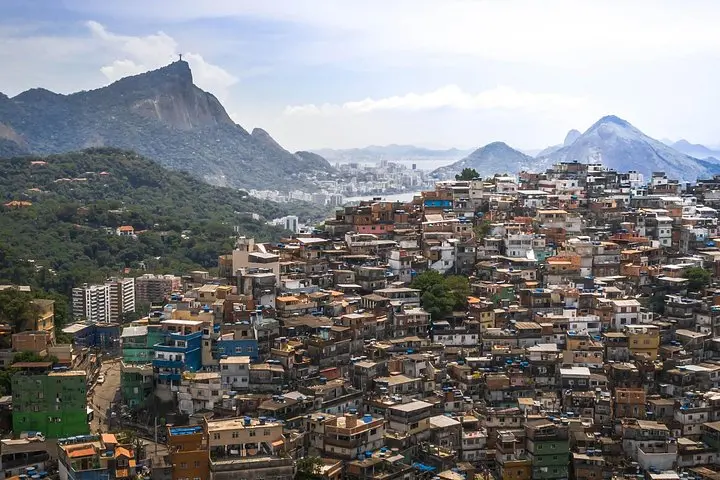
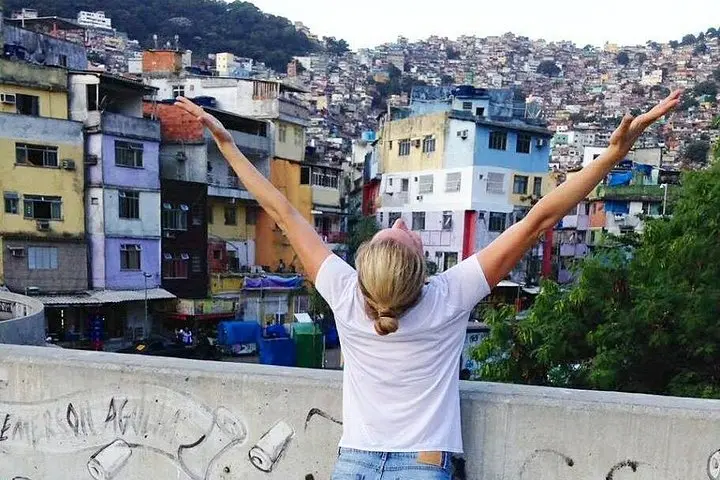
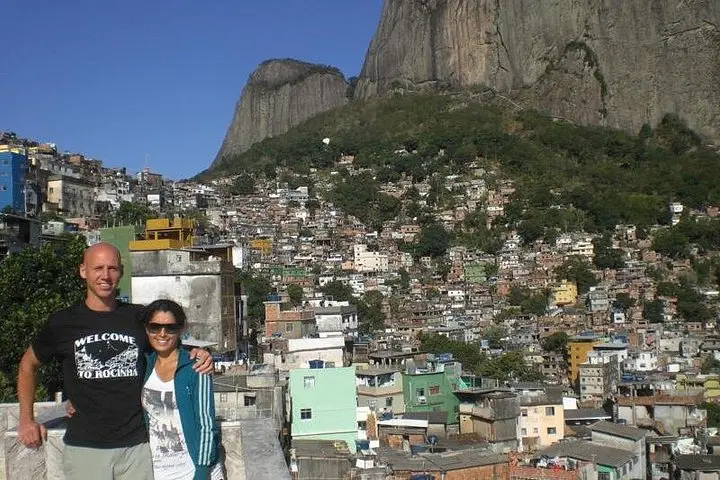
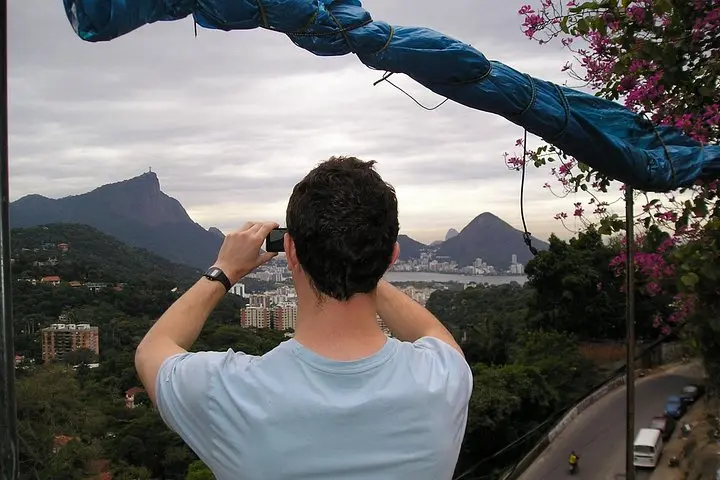
You step off the minivan into a tight maze of concrete and colorful murals, the hillside pressing close and the Atlantic wind nudging in from the bay. Streets climb and turn like staircases through Rocinha, the city’s largest favela, and voices — market vendors, children, radio — thread through the alleys. From a residential terrace you get a raw panoramic view of Rio: sugarloaf peaks, the ocean daring you toward the horizon, and the dense urban fabric below.
Verified experiences and guided adventures in the surrounding area.
Operated by Favela Tour · Rio de Janeiro, Rio de Janeiro
You step off the minivan into a tight maze of concrete and colorful murals, the hillside pressing close and the Atlantic wind nudging in from the bay. Streets climb and turn like staircases through Rocinha, the city’s largest favela, and voices — market vendors, children, radio — thread through the alleys. From a residential terrace you get a raw panoramic view of Rio: sugarloaf peaks, the ocean daring you toward the horizon, and the dense urban fabric below.
The tour traces Rocinha’s layered history: informal settlements that grew since the early 20th century into a complex neighborhood with its own economy, samba schools and community schools. Geologically the slope is part of Rio’s granite and gneiss uplands, cut by roads once used for early coastal routes; culturally the favela is a hub of resilience and creativity, visible in handcraft centers and local projects the tour supports. You’ll visit community-run schools and social projects funded by the operator and learn how local initiatives shape daily life.
Practically, expect mostly walking on steep, paved alleys with intermittent steps and occasional narrow streets; the tour runs about three hours and includes short drives through the South Zone. Wear grippy shoes, bring a refillable water bottle, and carry small change for artisan stalls. Guides emphasize respectful photography and traveling with organized groups for safety. Morning departures avoid afternoon showers and heat; Sundays after midday are not operated. This tour is an urban immersion that balances context, community engagement, and views—best experienced with curiosity and common-sense precautions.
Tours operate with local guides and group transport; following the guide’s instructions and staying with the group keeps visits low‑risk.
The experience is about three hours total, combining walking through alleys and short drives along the South Zone to viewpoints.
Yes—there are handcraft centers and stalls; bring small cash for purchases and check with your guide about fair pricing.
Children are welcome, but steep, narrow alleys and stairs make strollers impractical; inquire about accessibility if needed.
Favela Tour operates guided outdoor trips and adventures with an emphasis on safety, stewardship, and memorable experiences.
You step off the minivan into a tight maze of concrete and colorful murals, the hillside pressing close and the Atlantic wind nudging in from the bay. Streets climb and turn like staircases through Rocinha, the city’s largest favela, and voices — market vendors, children, radio — thread through the alleys. From a residential terrace you get a raw panoramic view of Rio: sugarloaf peaks, the ocean daring you toward the horizon, and the dense urban fabric below.
You step off the minivan into a tight maze of concrete and colorful murals, the hillside pressing close and the Atlantic wind nudging in from the bay. Streets climb and turn like staircases through Rocinha, the city’s largest favela, and voices — market vendors, children, radio — thread through the alleys. From a residential terrace you get a raw panoramic view of Rio: sugarloaf peaks, the ocean daring you toward the horizon, and the dense urban fabric below.
The tour traces Rocinha’s layered history: informal settlements that grew since the early 20th century into a complex neighborhood with its own economy, samba schools and community schools. Geologically the slope is part of Rio’s granite and gneiss uplands, cut by roads once used for early coastal routes; culturally the favela is a hub of resilience and creativity, visible in handcraft centers and local projects the tour supports. You’ll visit community-run schools and social projects funded by the operator and learn how local initiatives shape daily life.
Practically, expect mostly walking on steep, paved alleys with intermittent steps and occasional narrow streets; the tour runs about three hours and includes short drives through the South Zone. Wear grippy shoes, bring a refillable water bottle, and carry small change for artisan stalls. Guides emphasize respectful photography and traveling with organized groups for safety. Morning departures avoid afternoon showers and heat; Sundays after midday are not operated. This tour is an urban immersion that balances context, community engagement, and views—best experienced with curiosity and common-sense precautions.