THE ADVENTURE COLLECTIVE® · Independent discovery and booking for outdoor travel

Spend a full day birding the Fayoum oasis—Wadi El Rayan’s protected wetlands and the saline shores of Lake Qarun—scanning for grebes, coots and migratory flocks while learning local natural and cultural history. Ideal as a guided day trip from Cairo.
Spend a full day birding the Fayoum oasis—Wadi El Rayan’s protected wetlands and the saline shores of Lake Qarun—scanning for grebes, coots and migratory flocks while learning local natural and cultural history. Ideal as a guided day trip from Cairo.
A pale sun lifts over Lake Qarun as the road from Cairo unfurls—dusty highway giving way to scrub, then broad wetlands where reeds bend and waterbirds gather. On a full-day birding tour through Fayoum, the landscape reads like a living field guide: coots ghost across salt flats, grebes bob in open water, and flocks quarter the sky in deliberate migration.
Verified experiences and guided adventures in the surrounding area.
Operated by This Is Egypt · Fayoum, Faiyum Governorate
A pale sun lifts over Lake Qarun as the road from Cairo unfurls—dusty highway giving way to scrub, then broad wetlands where reeds bend and waterbirds gather. On a full-day birding tour through Fayoum, the landscape reads like a living field guide: coots ghost across salt flats, grebes bob in open water, and flocks quarter the sky in deliberate migration.
The Fayoum basin is ancient—an agricultural heart since Pharaonic times—and its modern outline is shaped by geology and irrigation. Lake Qarun is a remnant of an inland sea, its saline edge attracting species that favor brackish shallows, while Wadi El Rayan (a protected area since 1989) drops into dune-fed depressions and man-made waterfalls carved to manage runoff. Nearby villages like Tunis Village add a human layer: potters, small farms, and seasonal markets that feed visiting birds as well as people.
Expect a mix of vehicle-based scanning and short, flat walks along marsh edges and shorelines; birding here is equal parts patience and timing. Guides point out key species and habitats, interpret local conservation issues, and arrange a late lunch at a local restaurant before the drive back to Cairo.
Practical guidance: bring binoculars, sunscreen, and a wide-brim hat; mornings are coolest and most active for migrants. Terrain is generally easy but can be sandy or muddy after rains—sturdy shoes help. Carry water, respect nesting areas, and coordinate pickup times with your operator; the round trip from Cairo is roughly 95 km and fills the day with purposeful watching and regional context.
The drive is about 95 km one-way from central Cairo; expect roughly 1.5–2 hours each way depending on traffic.
Yes—this private, guided tour is suitable for beginners and all fitness levels, with short, easy walks and vehicle transfers between sites.
Common sightings include grebes, Eurasian coots, little egrets, and seasonal migrants; exact species vary by season and water levels.
Many operators report accessible transport and built areas, but access to natural shorelines may be uneven—confirm specifics with the tour provider.
This Is Egypt operates guided outdoor trips and adventures with an emphasis on safety, stewardship, and memorable experiences.
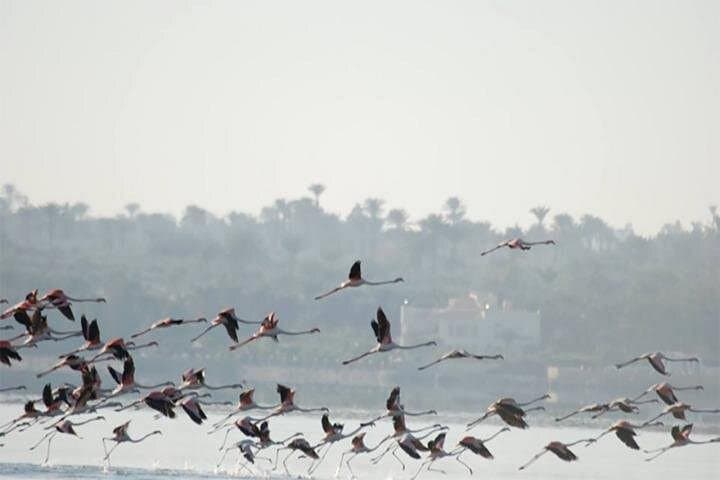

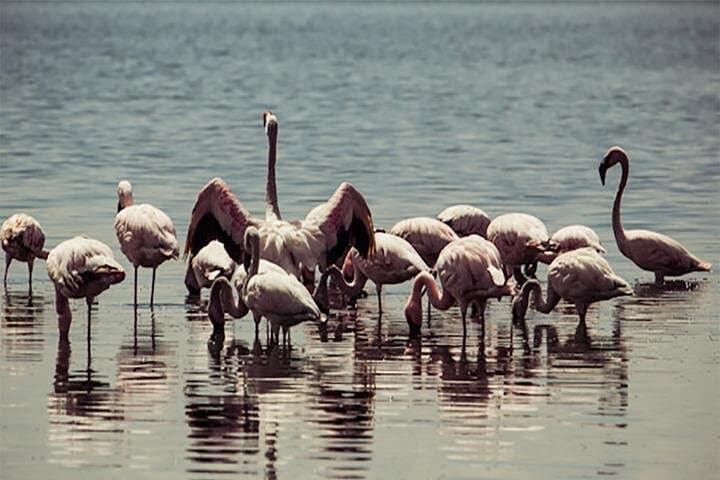

A pale sun lifts over Lake Qarun as the road from Cairo unfurls—dusty highway giving way to scrub, then broad wetlands where reeds bend and waterbirds gather. On a full-day birding tour through Fayoum, the landscape reads like a living field guide: coots ghost across salt flats, grebes bob in open water, and flocks quarter the sky in deliberate migration.
A pale sun lifts over Lake Qarun as the road from Cairo unfurls—dusty highway giving way to scrub, then broad wetlands where reeds bend and waterbirds gather. On a full-day birding tour through Fayoum, the landscape reads like a living field guide: coots ghost across salt flats, grebes bob in open water, and flocks quarter the sky in deliberate migration.
The Fayoum basin is ancient—an agricultural heart since Pharaonic times—and its modern outline is shaped by geology and irrigation. Lake Qarun is a remnant of an inland sea, its saline edge attracting species that favor brackish shallows, while Wadi El Rayan (a protected area since 1989) drops into dune-fed depressions and man-made waterfalls carved to manage runoff. Nearby villages like Tunis Village add a human layer: potters, small farms, and seasonal markets that feed visiting birds as well as people.
Expect a mix of vehicle-based scanning and short, flat walks along marsh edges and shorelines; birding here is equal parts patience and timing. Guides point out key species and habitats, interpret local conservation issues, and arrange a late lunch at a local restaurant before the drive back to Cairo.
Practical guidance: bring binoculars, sunscreen, and a wide-brim hat; mornings are coolest and most active for migrants. Terrain is generally easy but can be sandy or muddy after rains—sturdy shoes help. Carry water, respect nesting areas, and coordinate pickup times with your operator; the round trip from Cairo is roughly 95 km and fills the day with purposeful watching and regional context.