THE ADVENTURE COLLECTIVE® · Independent discovery and booking for outdoor travel

Trace Egypt’s sea-swept past and contemporary desert lakes on a day trip from Cairo. Visit the fossil-rich Wadi Al‑Hitan, then explore the lakes and waterfalls of Wadi El Rayan with private transport and a guided walk.
Trace Egypt’s sea-swept past and contemporary desert lakes on a day trip from Cairo. Visit the fossil-rich Wadi Al‑Hitan, then explore the lakes and waterfalls of Wadi El Rayan with private transport and a guided walk.
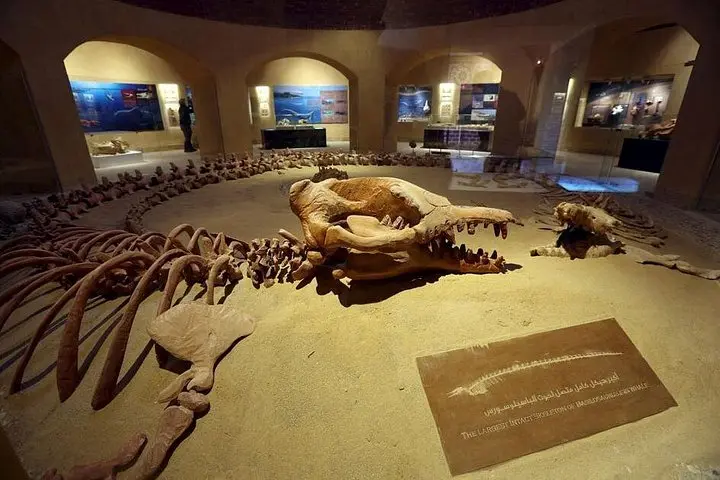
Morning light slants across the desert as the minivan leaves Cairo behind and the road unwinds toward the low, ochre ridges of Faiyum. By mid-morning the limestone flats of Wadi Al-Hitan roll into view — ribs of ancient seabed littered with whale fossils that seem to reach up from the bedrock like a marine graveyard insisting on a story.
Verified experiences and guided adventures in the surrounding area.
Operated by Nile Valley · Faiyum, Faiyum Governorate
Morning light slants across the desert as the minivan leaves Cairo behind and the road unwinds toward the low, ochre ridges of Faiyum. By mid-morning the limestone flats of Wadi Al-Hitan roll into view — ribs of ancient seabed littered with whale fossils that seem to reach up from the bedrock like a marine graveyard insisting on a story.
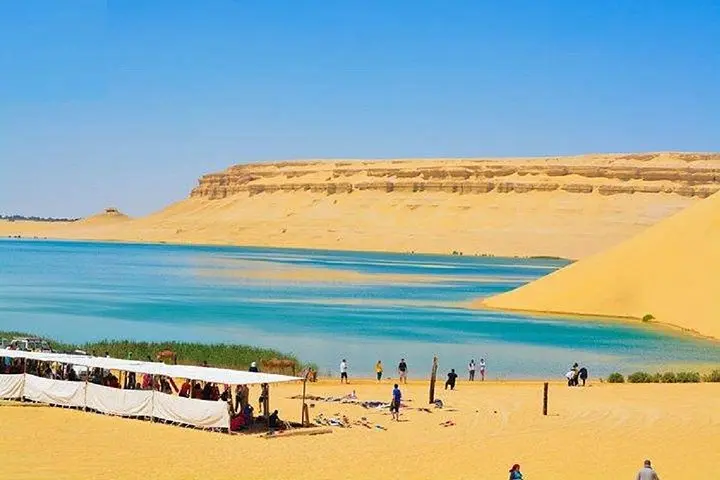
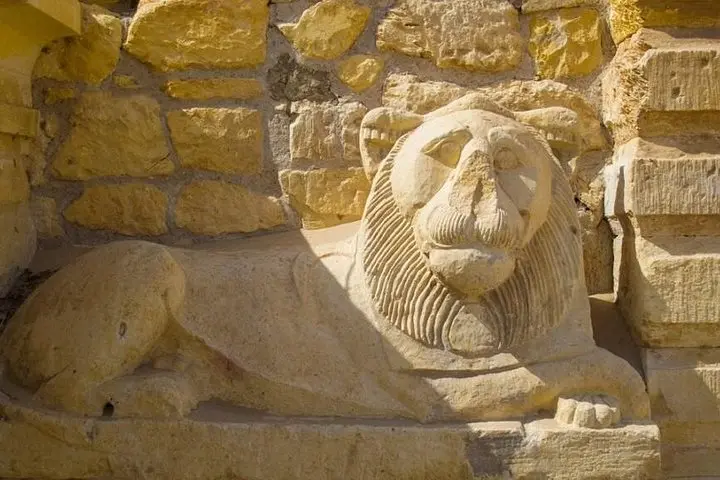
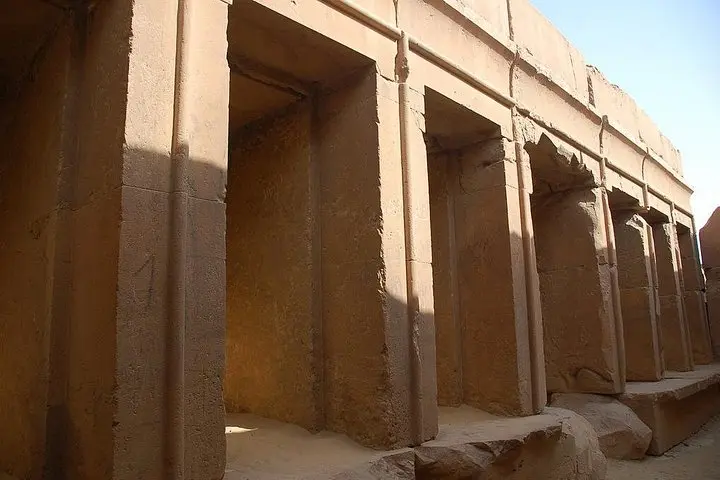
Wadi Al-Hitan (Valley of the Whales) is a UNESCO paleontological site where archaeocete skeletons reveal Egypt’s Miocene past when the sea reclaimed this basin. Nearby, Wadi El Rayan is a modern contrast: two large freshwater lakes fed by subterranean springs and irrigation runoff, with seasonal waterfalls that demand attention when flows are high. Between geological oddities, the town of Faiyum offers layers of human history from Pharaonic eras through Greco-Roman Krokodilopolis and later Islamic settlement.
Expect short, interpretive walks among fossil beds and shoreline exploration around the lakes; terrain is sandy, uneven and exposed to sun. The tour typically includes private transport, bottled water and a local lunch, with park admissions handled on-site. Practicalities matter: plan for long sun exposure, sudden winds that pick up desert dust, and limited services at remote viewpoints. A moderate level of fitness makes the fossil trails and lakeside strolls comfortable. Bring sun protection, refillable water, sturdy shoes and a camera with extra batteries — the light changes fast and the rock formations and waterfalls are unexpectedly photogenic.
The full excursion is about 10 hours door-to-door, including driving time to and from Cairo and stops at the major sites.
The operator’s itinerary shows admissions handled as included for sites listed, but confirm at booking since policies can change.
Expect short to moderate walks — uneven, sandy trails at fossil viewpoints and lakeshores; most visits are 30–90 minute on-foot segments.
Yes; infants can ride in strollers or laps, but parents should be prepared for dusty terrain and limited facilities at remote stops.
Nile Valley operates guided outdoor trips and adventures with an emphasis on safety, stewardship, and memorable experiences.
Morning light slants across the desert as the minivan leaves Cairo behind and the road unwinds toward the low, ochre ridges of Faiyum. By mid-morning the limestone flats of Wadi Al-Hitan roll into view — ribs of ancient seabed littered with whale fossils that seem to reach up from the bedrock like a marine graveyard insisting on a story.
Morning light slants across the desert as the minivan leaves Cairo behind and the road unwinds toward the low, ochre ridges of Faiyum. By mid-morning the limestone flats of Wadi Al-Hitan roll into view — ribs of ancient seabed littered with whale fossils that seem to reach up from the bedrock like a marine graveyard insisting on a story.
Wadi Al-Hitan (Valley of the Whales) is a UNESCO paleontological site where archaeocete skeletons reveal Egypt’s Miocene past when the sea reclaimed this basin. Nearby, Wadi El Rayan is a modern contrast: two large freshwater lakes fed by subterranean springs and irrigation runoff, with seasonal waterfalls that demand attention when flows are high. Between geological oddities, the town of Faiyum offers layers of human history from Pharaonic eras through Greco-Roman Krokodilopolis and later Islamic settlement.
Expect short, interpretive walks among fossil beds and shoreline exploration around the lakes; terrain is sandy, uneven and exposed to sun. The tour typically includes private transport, bottled water and a local lunch, with park admissions handled on-site. Practicalities matter: plan for long sun exposure, sudden winds that pick up desert dust, and limited services at remote viewpoints. A moderate level of fitness makes the fossil trails and lakeside strolls comfortable. Bring sun protection, refillable water, sturdy shoes and a camera with extra batteries — the light changes fast and the rock formations and waterfalls are unexpectedly photogenic.