THE ADVENTURE COLLECTIVE® · Independent discovery and booking for outdoor travel

A full-day route from Cairo across Fayoum’s shifting landscapes—artisanal Tunis Village, the fossil beds of Wadi Al Hitan, Magic Lake’s chromatic shores and the 4x4 playgrounds of Wadi El Rayan. Expect long drives, desert tracks and hands-on local craft stops.
A full-day route from Cairo across Fayoum’s shifting landscapes—artisanal Tunis Village, the fossil beds of Wadi Al Hitan, Magic Lake’s chromatic shores and the 4x4 playgrounds of Wadi El Rayan. Expect long drives, desert tracks and hands-on local craft stops.
You step out of the air-conditioned vehicle into a wide, sun-scoured landscape where sand and water meet with blunt edges—dunes slope like pages and a shallow lake flashes like a polished coin.
Verified experiences and guided adventures in the surrounding area.
Operated by Emeco Travel group · Fayoum, Faiyum Governorate
You step out of the air-conditioned vehicle into a wide, sun-scoured landscape where sand and water meet with blunt edges—dunes slope like pages and a shallow lake flashes like a polished coin.
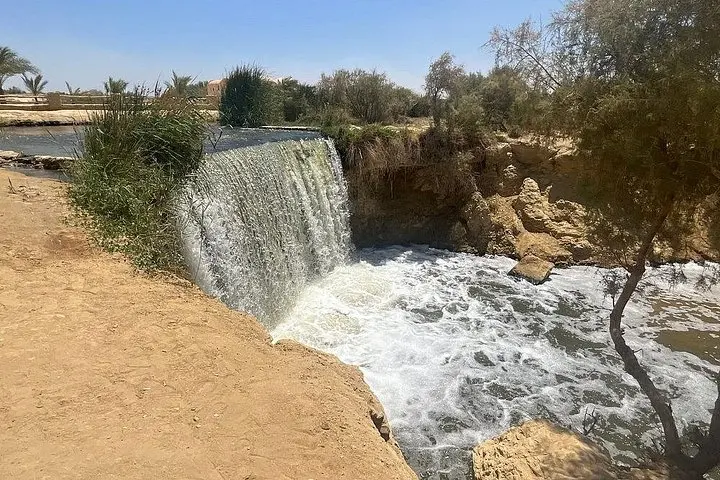
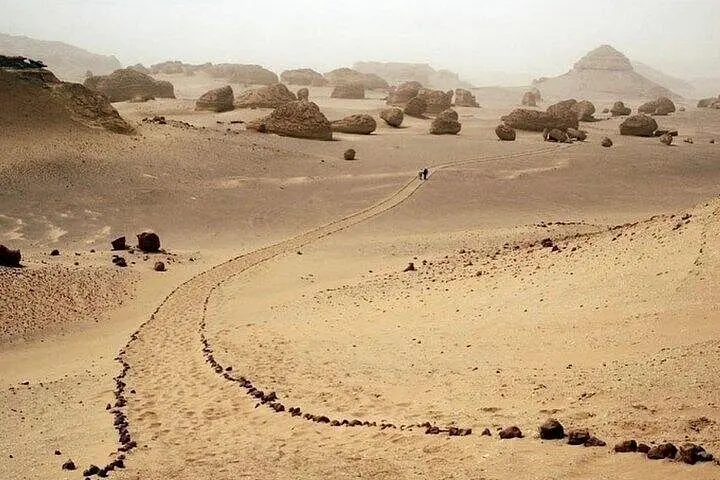
The day moves through tight contrasts: Tunis Village’s mud-brick lanes and artisans shaping pottery; the exposed ribs of Wadi Al Hitan, where Eocene whale skeletons lie like fossils telling a colder, older ocean’s story; then the sudden green-blue of Magic Lake, whose shifting colors push curiosity forward. Wadi El Rayan delivers a different cadence—waterfalls that seem to dare the desert to dry them out, broad plateaus for 4x4 routes and sandboarding runs for anyone willing to lean into speed.
Geology here reads like field notes: marine sediments and fossil beds from 34–40 million years ago, a depression carved and fed by ancient Nile flows and modern irrigation. The culture is practical and craft-driven; Tunis Village preserves pottery techniques with a clear utility—buckets, jugs, and marketwares shaped for a tough climate.
Practical guidance: expect a long (≈12-hour) day and bring sun protection, at least 2–3 liters of water, and sturdy closed shoes for dune and fossil terrain. Cameras are essential; touch no fossils and stick to marked routes. Timing matters—early starts avoid midday heat and late light improves photography at the lake and falls. If you have limited mobility or cardiovascular concerns, this tour includes rough tracks and moderate physical demands and may not be suitable.
This is a full-day private tour (about 12 hours) with early pickup from Cairo, visits to Tunis Village, Wadi Al Hitan, Magic Lake and Wadi El Rayan, and return in the evening.
Lunch, bottled water and applicable fees and taxes are included in the tour price according to the itinerary information.
The tour is not recommended for pregnant travelers or people with serious back or heart problems; children are allowed but the itinerary involves long drives and some rough terrain.
No—Wadi Al Hitan is a UNESCO site and fossils must not be disturbed or removed; follow guide instructions and marked paths.
Emeco Travel group operates guided outdoor trips and adventures with an emphasis on safety, stewardship, and memorable experiences.
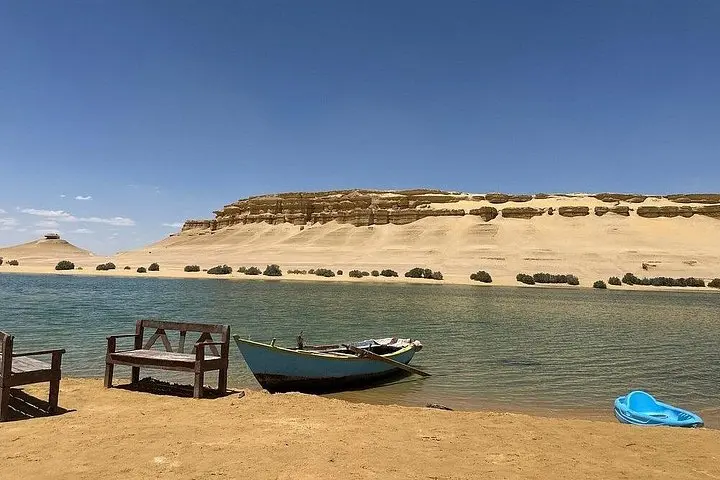
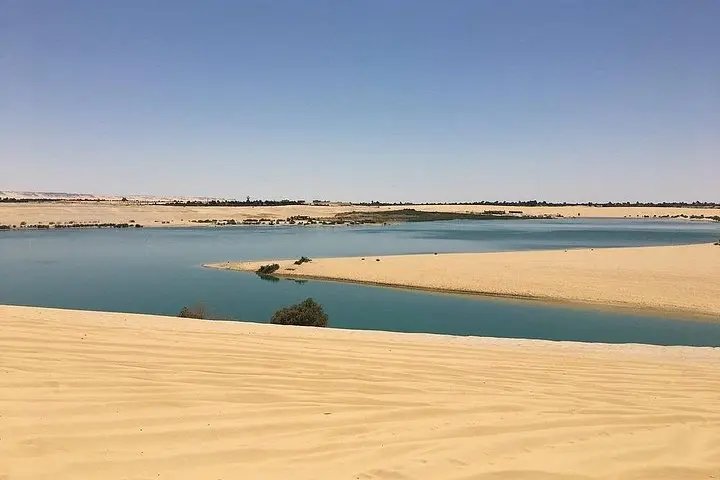
You step out of the air-conditioned vehicle into a wide, sun-scoured landscape where sand and water meet with blunt edges—dunes slope like pages and a shallow lake flashes like a polished coin.
You step out of the air-conditioned vehicle into a wide, sun-scoured landscape where sand and water meet with blunt edges—dunes slope like pages and a shallow lake flashes like a polished coin.
The day moves through tight contrasts: Tunis Village’s mud-brick lanes and artisans shaping pottery; the exposed ribs of Wadi Al Hitan, where Eocene whale skeletons lie like fossils telling a colder, older ocean’s story; then the sudden green-blue of Magic Lake, whose shifting colors push curiosity forward. Wadi El Rayan delivers a different cadence—waterfalls that seem to dare the desert to dry them out, broad plateaus for 4x4 routes and sandboarding runs for anyone willing to lean into speed.
Geology here reads like field notes: marine sediments and fossil beds from 34–40 million years ago, a depression carved and fed by ancient Nile flows and modern irrigation. The culture is practical and craft-driven; Tunis Village preserves pottery techniques with a clear utility—buckets, jugs, and marketwares shaped for a tough climate.
Practical guidance: expect a long (≈12-hour) day and bring sun protection, at least 2–3 liters of water, and sturdy closed shoes for dune and fossil terrain. Cameras are essential; touch no fossils and stick to marked routes. Timing matters—early starts avoid midday heat and late light improves photography at the lake and falls. If you have limited mobility or cardiovascular concerns, this tour includes rough tracks and moderate physical demands and may not be suitable.