THE ADVENTURE COLLECTIVE® · Independent discovery and booking for outdoor travel

A full-day private drive from Cairo through Egypt’s Fayyum basin: museums and catacombs, a Middle Kingdom pyramid, salty Qarun Lake birdlife, dune bashing and the fossil fields of Wadi El Hitan. Practical, cultural and geological highlights make this an all-in-one desert day trip.
A full-day private drive from Cairo through Egypt’s Fayyum basin: museums and catacombs, a Middle Kingdom pyramid, salty Qarun Lake birdlife, dune bashing and the fossil fields of Wadi El Hitan. Practical, cultural and geological highlights make this an all-in-one desert day trip.
You leave Cairo before dawn and the highway narrows into ochre plains; the desert opens like a page and the road points toward a green interruption—the Fayyum basin. By late morning the museum at Kom Oshim cools the pace: lacquered Fayum portraits stare out from millennia ago while the quiet corridors hold Roman and Pharaonic fragments.
Verified experiences and guided adventures in the surrounding area.
Operated by Tripster Egypt · Faiyum, Faiyum Governorate
You leave Cairo before dawn and the highway narrows into ochre plains; the desert opens like a page and the road points toward a green interruption—the Fayyum basin. By late morning the museum at Kom Oshim cools the pace: lacquered Fayum portraits stare out from millennia ago while the quiet corridors hold Roman and Pharaonic fragments.
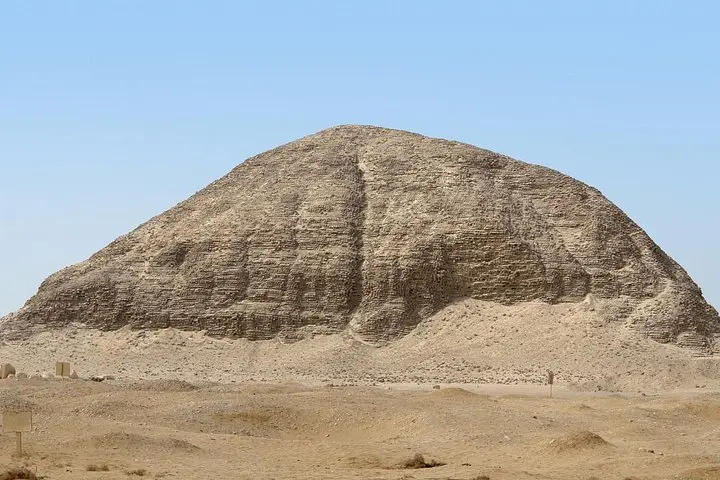
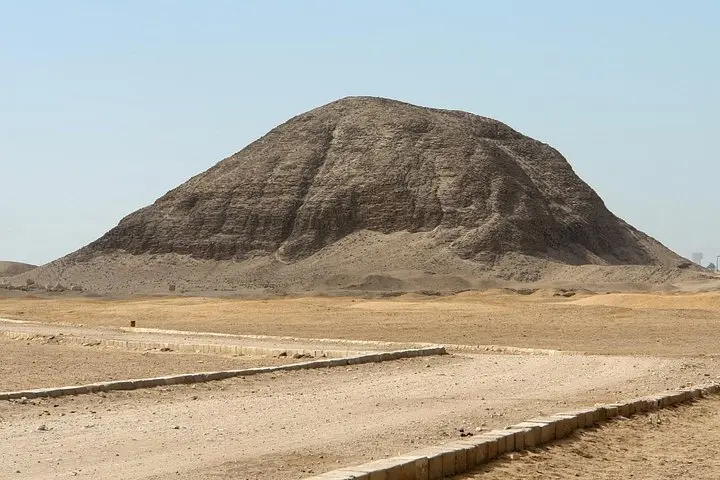
Not far away the Karanis catacombs unfold their stone corridors, a Greco‑Roman burial landscape that speaks to waves of settlement after Alexander. The Hawara Pyramid of Amenemhat III anchors the map in Egypt’s Middle Kingdom; its stones are quieter than Giza’s but no less instructive about ancient engineering.
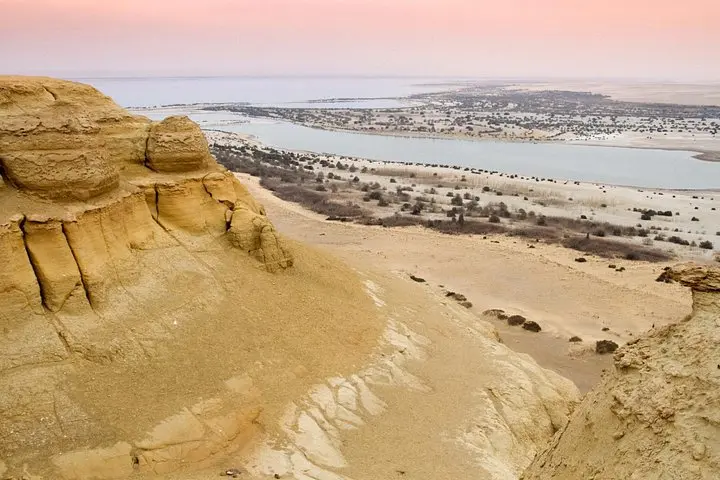
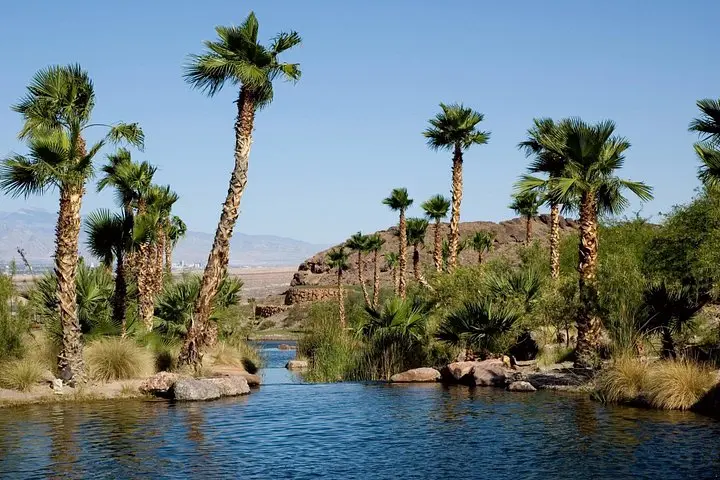
Qarun Lake stretches like a salt mirror; its waterwheels turn and migratory birds pick the surface apart, daring you to stand still. Then the landscape changes again—dunes and a short 4x4 sequence where sandboarding and dune bashing add a sharp, physical counterpoint to the day’s archaeology.
Wadi El Hitan closes the loop: a UNESCO site where whale fossils lift the ocean’s memory into the desert. Geology here reads like time in layers—sea floor, riverine deposits, human settlements—each with a clearer voice if you walk slowly.
Practical guidance: expect a full day (roughly 12 hours door-to-door), moderate walking on uneven ground, and midday heat in summer. Lunch is included (drinks are not); bring sun protection, sturdy shoes for the catacombs and dunes, and a refillable water bottle. Respect protected sites—do not remove fossils or touch fragile excavation areas.
Yes; the tour provides hotel pickup from Cairo (confirm your pickup point at booking).
Admissions listed in the itinerary (museum, catacombs, Hawara, Wadi El Hitan) are included and lunch is provided; drinks are not included.
Yes; dune bashing in a 4x4 and basic sandboarding are part of the day's activities—bring closed shoes and be ready for short runs down dunes.
The tour is described as suitable for all fitness levels, but the catacombs and dune areas require mobility over uneven ground; discuss specific needs with the operator when booking.
Tripster Egypt operates guided outdoor trips and adventures with an emphasis on safety, stewardship, and memorable experiences.
You leave Cairo before dawn and the highway narrows into ochre plains; the desert opens like a page and the road points toward a green interruption—the Fayyum basin. By late morning the museum at Kom Oshim cools the pace: lacquered Fayum portraits stare out from millennia ago while the quiet corridors hold Roman and Pharaonic fragments.
You leave Cairo before dawn and the highway narrows into ochre plains; the desert opens like a page and the road points toward a green interruption—the Fayyum basin. By late morning the museum at Kom Oshim cools the pace: lacquered Fayum portraits stare out from millennia ago while the quiet corridors hold Roman and Pharaonic fragments.
Not far away the Karanis catacombs unfold their stone corridors, a Greco‑Roman burial landscape that speaks to waves of settlement after Alexander. The Hawara Pyramid of Amenemhat III anchors the map in Egypt’s Middle Kingdom; its stones are quieter than Giza’s but no less instructive about ancient engineering.
Qarun Lake stretches like a salt mirror; its waterwheels turn and migratory birds pick the surface apart, daring you to stand still. Then the landscape changes again—dunes and a short 4x4 sequence where sandboarding and dune bashing add a sharp, physical counterpoint to the day’s archaeology.
Wadi El Hitan closes the loop: a UNESCO site where whale fossils lift the ocean’s memory into the desert. Geology here reads like time in layers—sea floor, riverine deposits, human settlements—each with a clearer voice if you walk slowly.
Practical guidance: expect a full day (roughly 12 hours door-to-door), moderate walking on uneven ground, and midday heat in summer. Lunch is included (drinks are not); bring sun protection, sturdy shoes for the catacombs and dunes, and a refillable water bottle. Respect protected sites—do not remove fossils or touch fragile excavation areas.