THE ADVENTURE COLLECTIVE® · Independent discovery and booking for outdoor travel

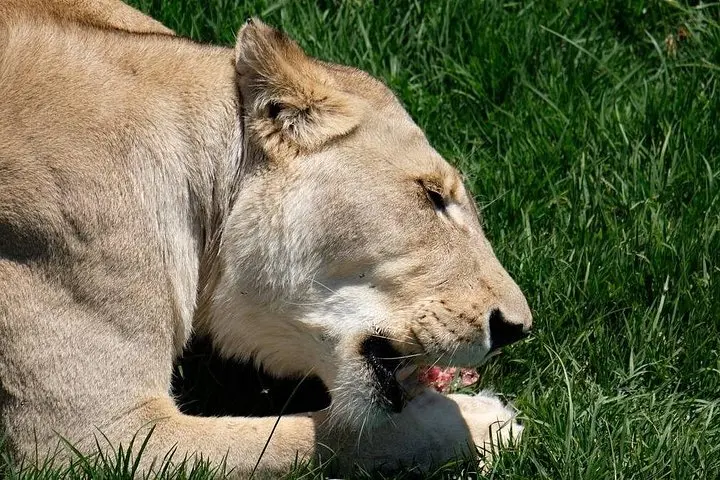
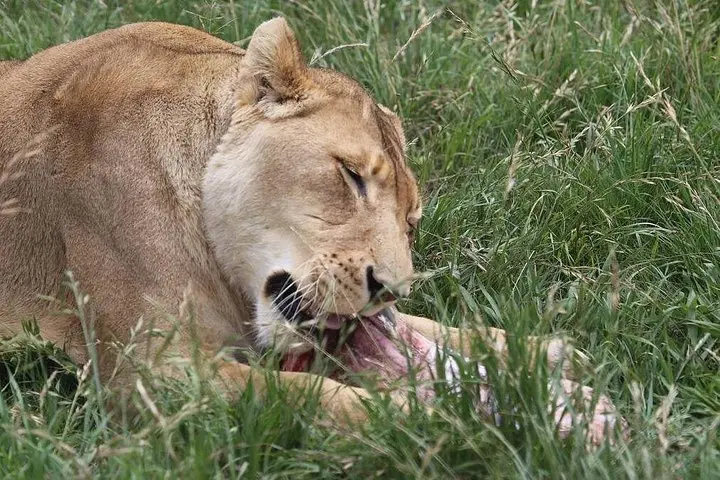
Stand above a feeding platform as keepers present rations and stories of rescued lions, tigers, and leopards at LionsRock. This guided 2½-hour tour combines close-but-safe observation with behind-the-scenes education on big cat care and conservation.
Stand above a feeding platform as keepers present rations and stories of rescued lions, tigers, and leopards at LionsRock. This guided 2½-hour tour combines close-but-safe observation with behind-the-scenes education on big cat care and conservation.
A low sun slices across the dry grass of the Free State as visitors gather at LionsRock’s reception; the air smells of dust and hay, and somewhere beyond the ridge a lion calls like a remnant of wild country. The Feeding Tour places you in a paced, watchful loop through a working sanctuary where the keepers’ voices guide the day and the animals set the rhythm.
Verified experiences and guided adventures in the surrounding area.
Operated by LIONSROCK Big Cat Sanctuary · Bethlehem, Free State
A low sun slices across the dry grass of the Free State as visitors gather at LionsRock’s reception; the air smells of dust and hay, and somewhere beyond the ridge a lion calls like a remnant of wild country. The Feeding Tour places you in a paced, watchful loop through a working sanctuary where the keepers’ voices guide the day and the animals set the rhythm.
Established to rescue and rehabilitate captive big cats, LionsRock sits on highveld grassland shaped by rolling dolerite sills and seasonal thunderstorms. The sanctuary’s enclosures and observation walkways were built to keep people at a safe, respectful distance while allowing natural behaviour to be studied — here visitors learn feeding routines, nutritional choices, and the individual histories that brought each cat to the refuge.
Culturally the region is rural Afrikaans and Sotho country; farms and small towns like Bethlehem contribute volunteers and local knowledge. The geology yields expansive views and sudden gullies where birds take refuge; expect a lively avian presence during the drive through the sanctuary.
Practical guidance: the tour runs about 2.5 hours and includes a pre-tour video, a drive across sanctuary tracks, elevated viewing platforms over feeding areas, and stops at leopard and tiger enclosures. Wear closed-toe shoes and sun protection; bring a camera with a telephoto lens but obey the guide’s photography rules. Hydrate for the highveld sun, arrive 15 minutes early for check-in, and listen closely to keepers’ briefings — your patience and quiet let the animals set the scene, and that’s when the visit becomes most rewarding.
No—interactions are not permitted; feeding demonstrations are carried out only by trained keepers from secure walkways.
Yes—families are welcome, but children must be supervised at all times and follow safety briefings.
Some viewing platforms and vehicles are accessible, but terrain includes uneven tracks—contact the sanctuary ahead to discuss individual needs.
All sales are final; the operator does not offer refunds for cancellations and may cancel in bad weather, per their policy.
LIONSROCK Big Cat Sanctuary operates guided outdoor trips and adventures with an emphasis on safety, stewardship, and memorable experiences.
A low sun slices across the dry grass of the Free State as visitors gather at LionsRock’s reception; the air smells of dust and hay, and somewhere beyond the ridge a lion calls like a remnant of wild country. The Feeding Tour places you in a paced, watchful loop through a working sanctuary where the keepers’ voices guide the day and the animals set the rhythm.
A low sun slices across the dry grass of the Free State as visitors gather at LionsRock’s reception; the air smells of dust and hay, and somewhere beyond the ridge a lion calls like a remnant of wild country. The Feeding Tour places you in a paced, watchful loop through a working sanctuary where the keepers’ voices guide the day and the animals set the rhythm.
Established to rescue and rehabilitate captive big cats, LionsRock sits on highveld grassland shaped by rolling dolerite sills and seasonal thunderstorms. The sanctuary’s enclosures and observation walkways were built to keep people at a safe, respectful distance while allowing natural behaviour to be studied — here visitors learn feeding routines, nutritional choices, and the individual histories that brought each cat to the refuge.
Culturally the region is rural Afrikaans and Sotho country; farms and small towns like Bethlehem contribute volunteers and local knowledge. The geology yields expansive views and sudden gullies where birds take refuge; expect a lively avian presence during the drive through the sanctuary.
Practical guidance: the tour runs about 2.5 hours and includes a pre-tour video, a drive across sanctuary tracks, elevated viewing platforms over feeding areas, and stops at leopard and tiger enclosures. Wear closed-toe shoes and sun protection; bring a camera with a telephoto lens but obey the guide’s photography rules. Hydrate for the highveld sun, arrive 15 minutes early for check-in, and listen closely to keepers’ briefings — your patience and quiet let the animals set the scene, and that’s when the visit becomes most rewarding.