THE ADVENTURE COLLECTIVE® · Independent discovery and booking for outdoor travel

Three days of private touring from Mostar reveal Herzegovina’s karst springs, Ottoman stone towns, medieval necropolises and the winded halls of Vjetrenica. This practical guide maps what to expect and how to prepare.
Three days of private touring from Mostar reveal Herzegovina’s karst springs, Ottoman stone towns, medieval necropolises and the winded halls of Vjetrenica. This practical guide maps what to expect and how to prepare.
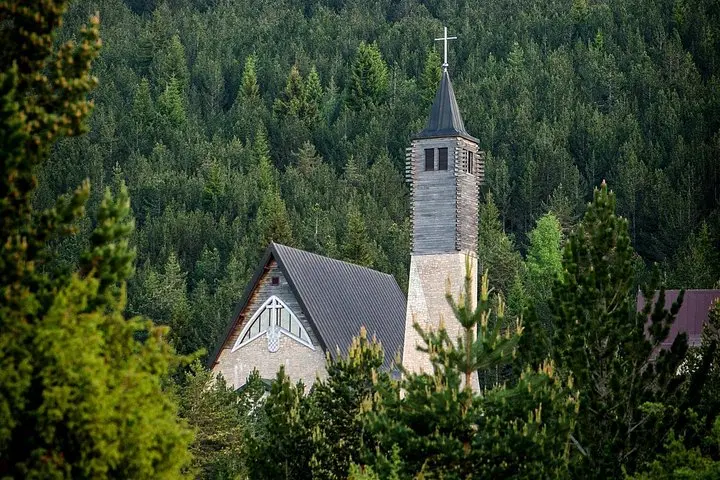
You meet beneath the Franciscan Campanile in Mostar, the bell tower leaning over cobbled streets while a driver idles and the river Neretva dares you toward its turquoise bends.
Verified experiences and guided adventures in the surrounding area.
Operated by Ero Travel · Mostar, Herzegovina-Neretva
You meet beneath the Franciscan Campanile in Mostar, the bell tower leaning over cobbled streets while a driver idles and the river Neretva dares you toward its turquoise bends.
Over three days this private circuit stitches Ottoman stone, wartime history, karst springs and high-mountain pastures into a compact portrait of Herzegovina. Start at Blagaj, where the Buna springs erupt beneath a 16th‑century tekke—karst water pushing through limestone with the force of centuries. Žitomislići’s monastery follows, a quieter corner of ecclesiastical craft, then Počitelj’s stepped Ottoman lanes and art studios where stone walls hold stories of medieval fortresses and later Ottoman rule.
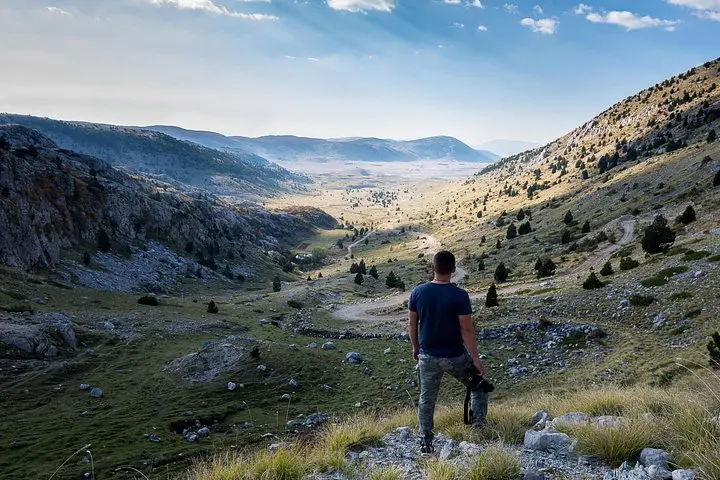
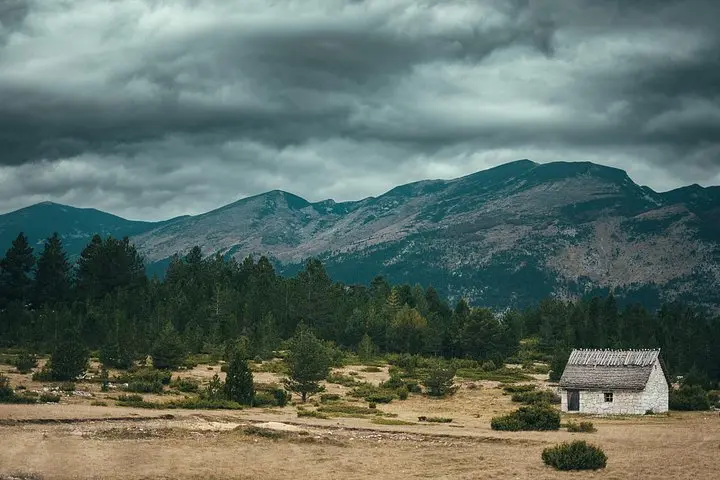
Kravica’s curtain of water invites swims in summer; its travertine and tufa channels are shaped by the same karst processes that hollow Vjetrenica cave, a wind‑pushed entrance to underworld halls and paleontological finds. Inland, Jablanica recalls the Battle for the Wounded on the Neretva; Blidinje Nature Park opens to alpine ridgelines and necropolises—Radimlja and Boljuni—whose medieval stećci carry carved sun, crescent and warrior motifs.
Practical edge: this is a touring daypack experience—short walks, cobblestones, and occasional uneven ancient paths. Tickets for Dervish House and Kravica are included; the itinerary runs in a comfortable car or minivan with a licensed guide and driver. Bring sturdy shoes for stone steps, a refillable water bottle, sun protection for lowland sites and a light layer for mountain afternoons. Expect busy summer afternoons at Kravica and quieter early mornings in Počitelj; schedule flexibility and a private-guide format make timing the trip’s best asset.
The meeting point is in front of the Campanile at the Franciscan Monastery in Mostar; the tour returns there at the end of each day.
Yes—swimming is commonly permitted in summer; towels and changing are recommended and treat any seasonal restrictions respectfully.
Tickets for the Dervish House (Blagaj) and Kravica waterfalls are included; additional small-site fees are usually covered by the tour but confirm with your guide for cave access or special exhibits.
Yes—this private tour is rated easy and suitable for most fitness levels, though some sites have steps or uneven ground; notify the operator about mobility needs.
Ero Travel operates guided outdoor trips and adventures with an emphasis on safety, stewardship, and memorable experiences.

You meet beneath the Franciscan Campanile in Mostar, the bell tower leaning over cobbled streets while a driver idles and the river Neretva dares you toward its turquoise bends.
You meet beneath the Franciscan Campanile in Mostar, the bell tower leaning over cobbled streets while a driver idles and the river Neretva dares you toward its turquoise bends.
Over three days this private circuit stitches Ottoman stone, wartime history, karst springs and high-mountain pastures into a compact portrait of Herzegovina. Start at Blagaj, where the Buna springs erupt beneath a 16th‑century tekke—karst water pushing through limestone with the force of centuries. Žitomislići’s monastery follows, a quieter corner of ecclesiastical craft, then Počitelj’s stepped Ottoman lanes and art studios where stone walls hold stories of medieval fortresses and later Ottoman rule.
Kravica’s curtain of water invites swims in summer; its travertine and tufa channels are shaped by the same karst processes that hollow Vjetrenica cave, a wind‑pushed entrance to underworld halls and paleontological finds. Inland, Jablanica recalls the Battle for the Wounded on the Neretva; Blidinje Nature Park opens to alpine ridgelines and necropolises—Radimlja and Boljuni—whose medieval stećci carry carved sun, crescent and warrior motifs.
Practical edge: this is a touring daypack experience—short walks, cobblestones, and occasional uneven ancient paths. Tickets for Dervish House and Kravica are included; the itinerary runs in a comfortable car or minivan with a licensed guide and driver. Bring sturdy shoes for stone steps, a refillable water bottle, sun protection for lowland sites and a light layer for mountain afternoons. Expect busy summer afternoons at Kravica and quieter early mornings in Počitelj; schedule flexibility and a private-guide format make timing the trip’s best asset.