THE ADVENTURE COLLECTIVE® · Independent discovery and booking for outdoor travel

Sail a traditional felucca from Aswan over four days to Kom Ombo and Edfu, sleeping aboard and stopping at riverside temples, quarries and Nubian villages. Expect slow days on the Nile, simple onboard comforts, and flexible itineraries driven by wind.
Sail a traditional felucca from Aswan over four days to Kom Ombo and Edfu, sleeping aboard and stopping at riverside temples, quarries and Nubian villages. Expect slow days on the Nile, simple onboard comforts, and flexible itineraries driven by wind.
Early light on the Nile strips the desert back to shapes: a felucca’s cotton sails fill, the oars tinkle against the hull, and the river pushes you north past date palms and mudbrick villages.
Verified experiences and guided adventures in the surrounding area.
Operated by My Dream Nile · Aswan, Aswan Governorate
Early light on the Nile strips the desert back to shapes: a felucca’s cotton sails fill, the oars tinkle against the hull, and the river pushes you north past date palms and mudbrick villages.
This is a slow-travel route where history sits inches from the water. From Aswan you can drift past Jabal al-Silsilah’s sandstone quarries, visit Kom Ombo’s double temple to Sobek and Haroeris, and step into the massive hypostyle halls of Edfu’s Temple of Horus. Geologically the river corridor carves through Pharaonic sandstone benches and alluvial silt plains; culturally the banks show Nubian villages, palm gardens, and small riverside markets that have supplied Cairo and Upper Egypt for millennia.
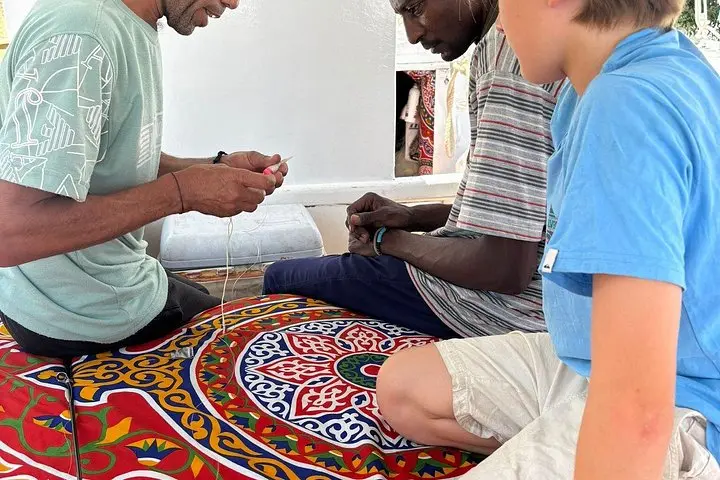
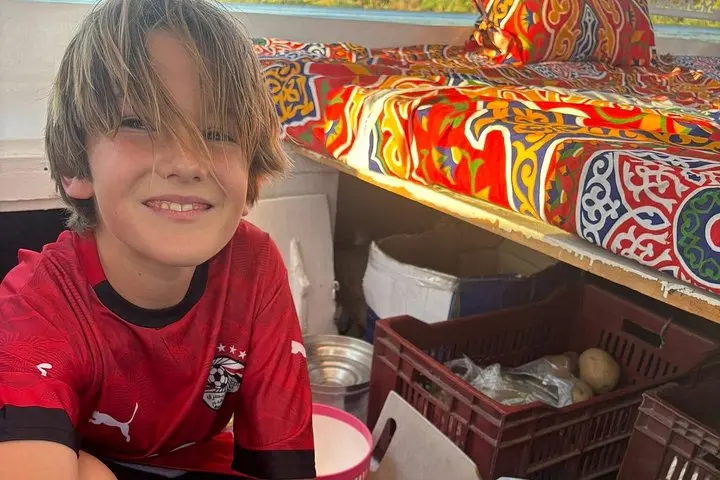
Expect gentle days on deck with sailing legs variable by wind—typical daily passages range from short hops to longer sails of roughly 30–80 km depending on conditions. Elevation change is negligible; terrain is flat along the banks but can require stepping onto uneven river mud when coming ashore. Onboard life is basic: mattresses on deck or in the cabin area, simple meals, and shared facilities; comfortable for travelers who value quiet and authenticity over luxury.
Practical notes: plan sun protection and plenty of water, carry a warm layer for cool nights, and be ready for itinerary changes if the wind shifts. Bring local cash for temple entries and tips, and pack a quick-dry towel for swims in calm coves. With modest clothing for temple visits and a flexible attitude about schedules, this felucca cruise is a practical, immersive way to see the Nile’s living history.
Standard itineraries run multiple nights aboard the felucca—this listing is a four-day option with overnight stays on the boat; exact nights depend on the booked package.
Temple visits like Kom Ombo and Edfu are part of the itinerary but admissions may not be included; carry cash and check your booking details in advance.
Yes—many captains allow supervised swims from calm anchorages; always confirm with crew about currents and safe spots before entering the water.
Feluccas are traditional sailboats with basic facilities; while some assistance can be provided, moving on/off the boat can be uneven—check accessibility needs with the operator before booking.
My Dream Nile operates guided outdoor trips and adventures with an emphasis on safety, stewardship, and memorable experiences.
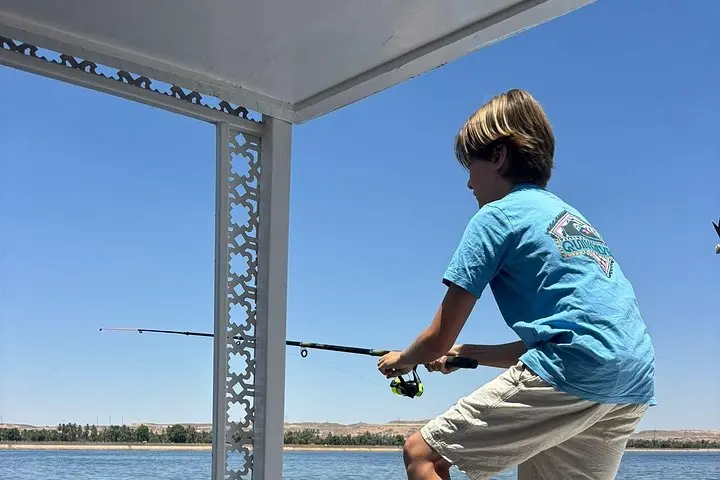
Early light on the Nile strips the desert back to shapes: a felucca’s cotton sails fill, the oars tinkle against the hull, and the river pushes you north past date palms and mudbrick villages.
Early light on the Nile strips the desert back to shapes: a felucca’s cotton sails fill, the oars tinkle against the hull, and the river pushes you north past date palms and mudbrick villages.
This is a slow-travel route where history sits inches from the water. From Aswan you can drift past Jabal al-Silsilah’s sandstone quarries, visit Kom Ombo’s double temple to Sobek and Haroeris, and step into the massive hypostyle halls of Edfu’s Temple of Horus. Geologically the river corridor carves through Pharaonic sandstone benches and alluvial silt plains; culturally the banks show Nubian villages, palm gardens, and small riverside markets that have supplied Cairo and Upper Egypt for millennia.
Expect gentle days on deck with sailing legs variable by wind—typical daily passages range from short hops to longer sails of roughly 30–80 km depending on conditions. Elevation change is negligible; terrain is flat along the banks but can require stepping onto uneven river mud when coming ashore. Onboard life is basic: mattresses on deck or in the cabin area, simple meals, and shared facilities; comfortable for travelers who value quiet and authenticity over luxury.
Practical notes: plan sun protection and plenty of water, carry a warm layer for cool nights, and be ready for itinerary changes if the wind shifts. Bring local cash for temple entries and tips, and pack a quick-dry towel for swims in calm coves. With modest clothing for temple visits and a flexible attitude about schedules, this felucca cruise is a practical, immersive way to see the Nile’s living history.