THE ADVENTURE COLLECTIVE® · Independent discovery and booking for outdoor travel

Explore how Feng Shui shaped the Mutianyu Great Wall, the Changling Ming Tombs and Beijing’s hutongs on a private, full-day tour. Expect cable-car ascents, archaeological insights and hands-on cultural context with accessible walking.
Explore how Feng Shui shaped the Mutianyu Great Wall, the Changling Ming Tombs and Beijing’s hutongs on a private, full-day tour. Expect cable-car ascents, archaeological insights and hands-on cultural context with accessible walking.
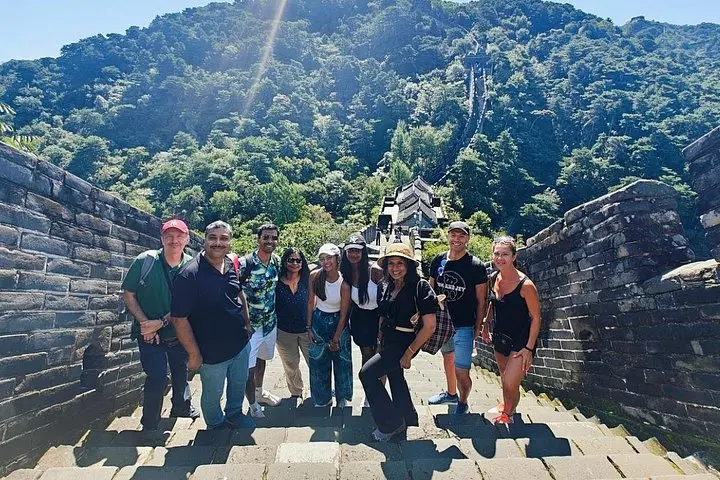
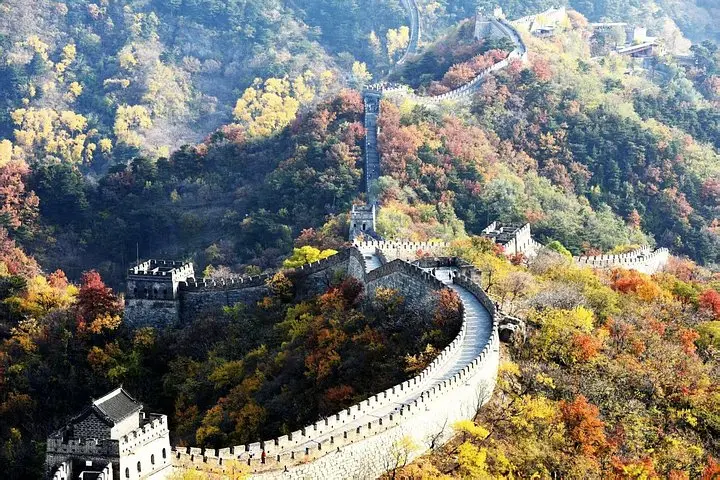
You step from a private minivan into wind that runs along stone — the Mutianyu ramparts laid out like a spine against the sky. Cable cars hum; pines lean toward the wall as if listening. Your guide points out how ridgelines and watercourses were read not only for defense but for balance.
Verified experiences and guided adventures in the surrounding area.
Operated by Sarana Davis · Beijing, Beijing
You step from a private minivan into wind that runs along stone — the Mutianyu ramparts laid out like a spine against the sky. Cable cars hum; pines lean toward the wall as if listening. Your guide points out how ridgelines and watercourses were read not only for defense but for balance.
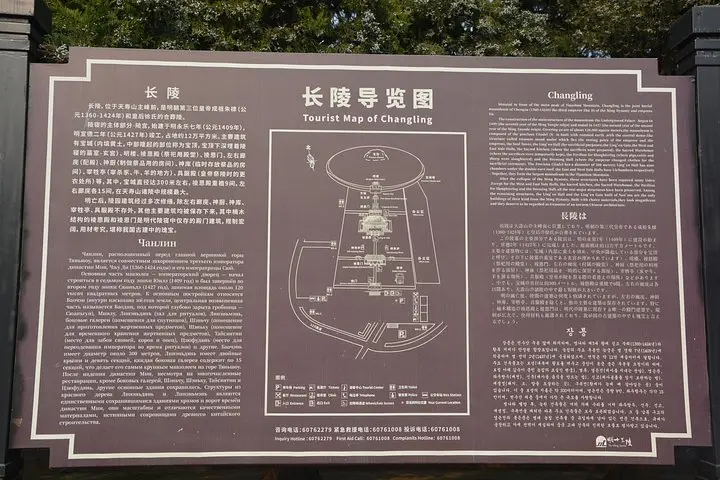
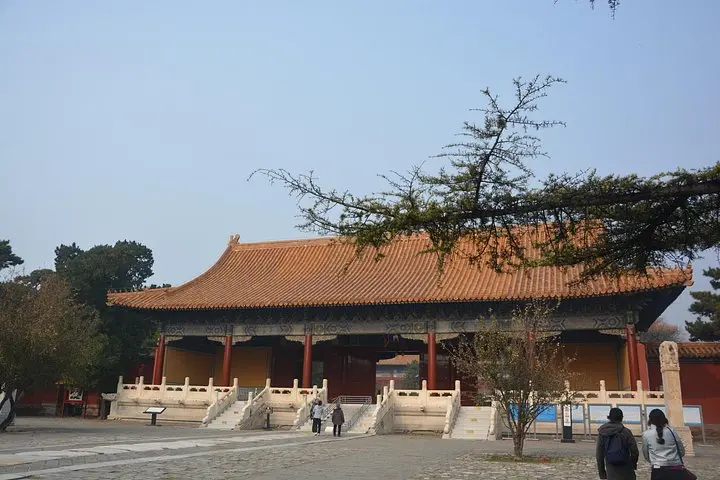
This full-day itinerary links three sites bound by imperial planning and geomantic logic. The Ming Tombs' Changling complex channels sacred axises toward a protective mountain ridge; the Nine Dragon Wall and Sacred Way articulate status through procession and symmetry. Geologically, the Wall here rides a band of granite and schist — firm underfoot but steep in places — while Beijing’s hutongs preserve a very different urban grain: narrow lanes that concentrate sunlight and funnel breezes according to courtyard placement.
Culturally, the tour examines how Feng Shui shaped burial rites, palace orientation, and everyday Beijing life in narrow alleys. Expect a disciplined mix of walking and stops: cable-car ascents on restored battlements, a measured stroll through tomb sculptures, then a walkable loop of live hutong streets where laneways still host bicycles and courtyard homes.
Practical guide: wear grippy shoes for uneven steps, carry water and sun protection, and schedule mornings for softer light and fewer crowds. Bring modest clothing for temple areas and a small daypack to keep cameras ready.
Respect fragile masonry and local life — the best views come from patient pacing and listening to what the landscape and neighborhoods are trying to tell you.
Yes — the tour includes two-way cable car access at Mutianyu so you can conserve energy for walking the ramparts.
The tour lists wheelchair-accessible options, but access to elevated wall sections involves steps; discuss mobility needs with the operator in advance.
Lunch is included as part of the itinerary, typically at a local restaurant en route between sites.
Mutianyu is less crowded than Badaling but still popular; choosing a morning departure reduces congestion on towers and views.
Sarana Davis operates guided outdoor trips and adventures with an emphasis on safety, stewardship, and memorable experiences.
You step from a private minivan into wind that runs along stone — the Mutianyu ramparts laid out like a spine against the sky. Cable cars hum; pines lean toward the wall as if listening. Your guide points out how ridgelines and watercourses were read not only for defense but for balance.
You step from a private minivan into wind that runs along stone — the Mutianyu ramparts laid out like a spine against the sky. Cable cars hum; pines lean toward the wall as if listening. Your guide points out how ridgelines and watercourses were read not only for defense but for balance.
This full-day itinerary links three sites bound by imperial planning and geomantic logic. The Ming Tombs' Changling complex channels sacred axises toward a protective mountain ridge; the Nine Dragon Wall and Sacred Way articulate status through procession and symmetry. Geologically, the Wall here rides a band of granite and schist — firm underfoot but steep in places — while Beijing’s hutongs preserve a very different urban grain: narrow lanes that concentrate sunlight and funnel breezes according to courtyard placement.
Culturally, the tour examines how Feng Shui shaped burial rites, palace orientation, and everyday Beijing life in narrow alleys. Expect a disciplined mix of walking and stops: cable-car ascents on restored battlements, a measured stroll through tomb sculptures, then a walkable loop of live hutong streets where laneways still host bicycles and courtyard homes.
Practical guide: wear grippy shoes for uneven steps, carry water and sun protection, and schedule mornings for softer light and fewer crowds. Bring modest clothing for temple areas and a small daypack to keep cameras ready.
Respect fragile masonry and local life — the best views come from patient pacing and listening to what the landscape and neighborhoods are trying to tell you.