THE ADVENTURE COLLECTIVE® · Independent discovery and booking for outdoor travel

Float in glass‑calm tide pools formed in ancient basalt, snorkel over coral gardens, and photograph the dramatic Buraco do Galego. This 2–3 hour low‑tide tour highlights Fernando de Noronha’s most photogenic natural pools while emphasizing marine protection and timing.
Float in glass‑calm tide pools formed in ancient basalt, snorkel over coral gardens, and photograph the dramatic Buraco do Galego. This 2–3 hour low‑tide tour highlights Fernando de Noronha’s most photogenic natural pools while emphasizing marine protection and timing.
You step off the boat into a green-blue bowl of water and silence — the sea holds you like a glass floor, revealing coral ridges and darting fish beneath. The Fernando de Noronha Natural Pools Tour strings together shallow lagoons cut into volcanic rock: Morro de Fora’s broad pool, the photogenic Buraco do Galego at Praia do Cachorro, and the sheltered Lasca da Velha where reef life is brightest.
Verified experiences and guided adventures in the surrounding area.
Operated by AGENCY TRAVEL RBP · Vila dos Remedios, Pernambuco
You step off the boat into a green-blue bowl of water and silence — the sea holds you like a glass floor, revealing coral ridges and darting fish beneath. The Fernando de Noronha Natural Pools Tour strings together shallow lagoons cut into volcanic rock: Morro de Fora’s broad pool, the photogenic Buraco do Galego at Praia do Cachorro, and the sheltered Lasca da Velha where reef life is brightest.
Geology here is blunt and old: basalt cliffs and lava flows shaped by tectonic uplift, with tide-sculpted pools that collect warm, calm seawater at low tide. The archipelago has layered history — visited by 16th‑century explorers, later strategic and penal uses, and now protected as a UNESCO World Heritage marine reserve.
Local culture is small‑island and service oriented; expect bilingual guides, simple seaside cafés, and an environmental fee that helps fund conservation.
Practically, the tour runs in the morning around low tide (about 2–3 hours), so timing matters. Pools are calm and shallow but salt and sun are uncompromising: reef‑safe sunscreen, water shoes, and a tight snorkel mask transform the experience. Guides will point out turtle feeding zones and dolphin corridors while ensuring you respect coral and marine life.
If seas are rough, operators swap to an island land tour; bring cash for incidentals and a quick-dry change for the return. For photographers, arrive early in the tidal window for the cleanest water and the fewest people — the pools are small and popular, and the best views require patience as much as skill.
Yes — pools are shallow and calm at low tide, but participants should be comfortable in saltwater; guides stay close and provide basic safety guidance.
If swell or rough seas make the pool visit unsafe, operators typically replace the boat portion with an island land tour covering viewpoints and beaches.
Basic snorkel gear is recommended for best viewing, though operators sometimes provide or rent masks and fins — check ahead.
Yes — Fernando de Noronha is a protected marine park with visitor limits and an environmental preservation fee; follow guide instructions to avoid damaging coral.
AGENCY TRAVEL RBP operates guided outdoor trips and adventures with an emphasis on safety, stewardship, and memorable experiences.
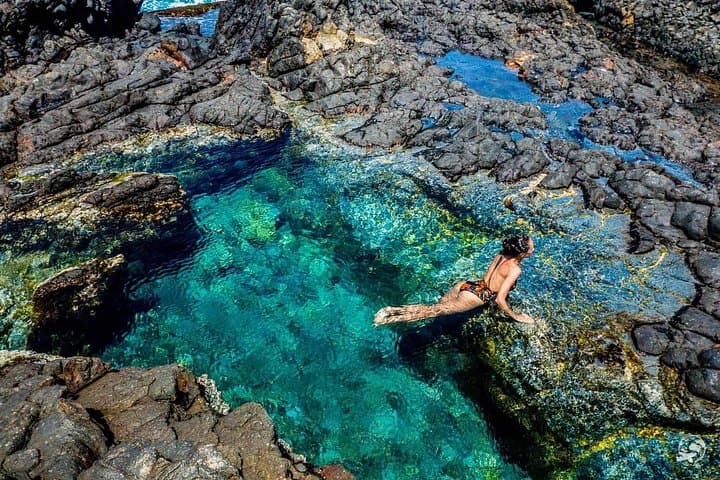
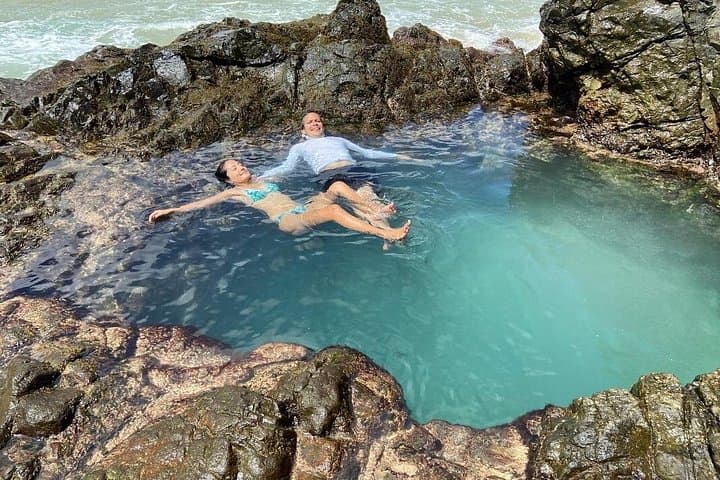
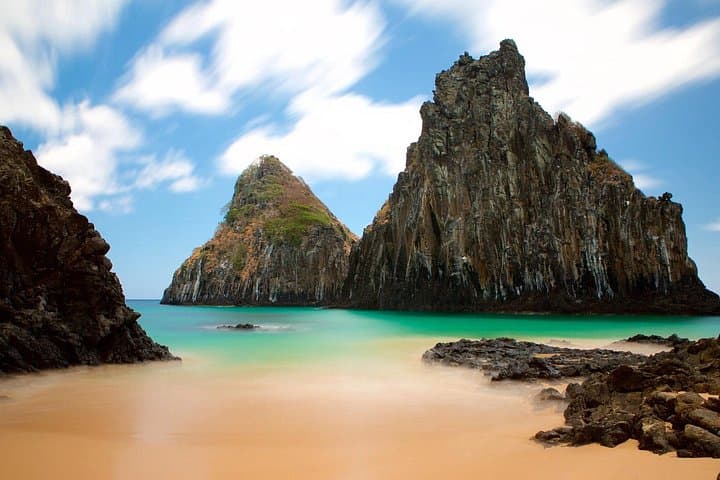
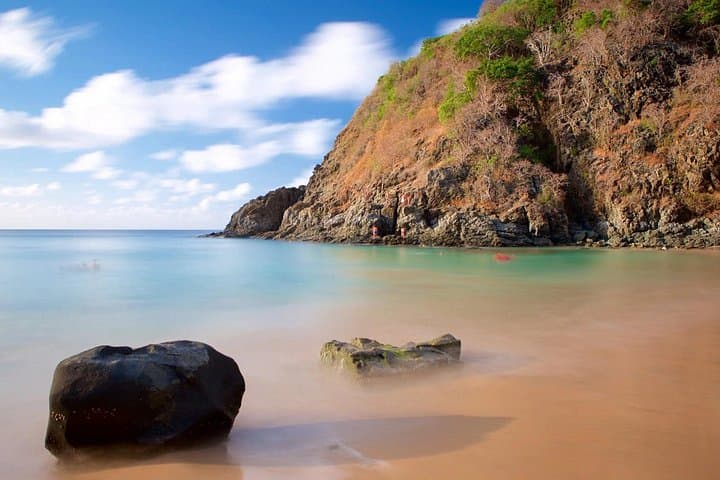
You step off the boat into a green-blue bowl of water and silence — the sea holds you like a glass floor, revealing coral ridges and darting fish beneath. The Fernando de Noronha Natural Pools Tour strings together shallow lagoons cut into volcanic rock: Morro de Fora’s broad pool, the photogenic Buraco do Galego at Praia do Cachorro, and the sheltered Lasca da Velha where reef life is brightest.
You step off the boat into a green-blue bowl of water and silence — the sea holds you like a glass floor, revealing coral ridges and darting fish beneath. The Fernando de Noronha Natural Pools Tour strings together shallow lagoons cut into volcanic rock: Morro de Fora’s broad pool, the photogenic Buraco do Galego at Praia do Cachorro, and the sheltered Lasca da Velha where reef life is brightest.
Geology here is blunt and old: basalt cliffs and lava flows shaped by tectonic uplift, with tide-sculpted pools that collect warm, calm seawater at low tide. The archipelago has layered history — visited by 16th‑century explorers, later strategic and penal uses, and now protected as a UNESCO World Heritage marine reserve.
Local culture is small‑island and service oriented; expect bilingual guides, simple seaside cafés, and an environmental fee that helps fund conservation.
Practically, the tour runs in the morning around low tide (about 2–3 hours), so timing matters. Pools are calm and shallow but salt and sun are uncompromising: reef‑safe sunscreen, water shoes, and a tight snorkel mask transform the experience. Guides will point out turtle feeding zones and dolphin corridors while ensuring you respect coral and marine life.
If seas are rough, operators swap to an island land tour; bring cash for incidentals and a quick-dry change for the return. For photographers, arrive early in the tidal window for the cleanest water and the fewest people — the pools are small and popular, and the best views require patience as much as skill.