THE ADVENTURE COLLECTIVE® · Independent discovery and booking for outdoor travel

Explore Fernando de Noronha on a combined Atalaia and Piquinho trail tour: dense Atlantic Forest, a natural tidal pool for snorkeling, and a 200‑metre summit with sweeping island views. Practical tips and logistics to plan your day on this protected tropical archipelago.
Explore Fernando de Noronha on a combined Atalaia and Piquinho trail tour: dense Atlantic Forest, a natural tidal pool for snorkeling, and a 200‑metre summit with sweeping island views. Practical tips and logistics to plan your day on this protected tropical archipelago.
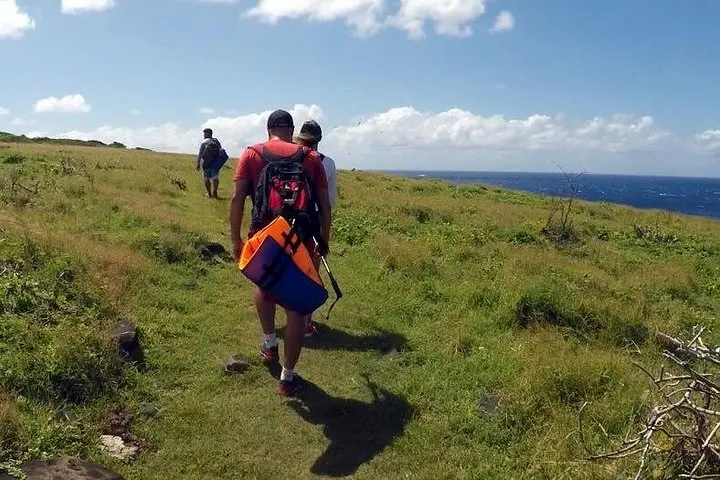
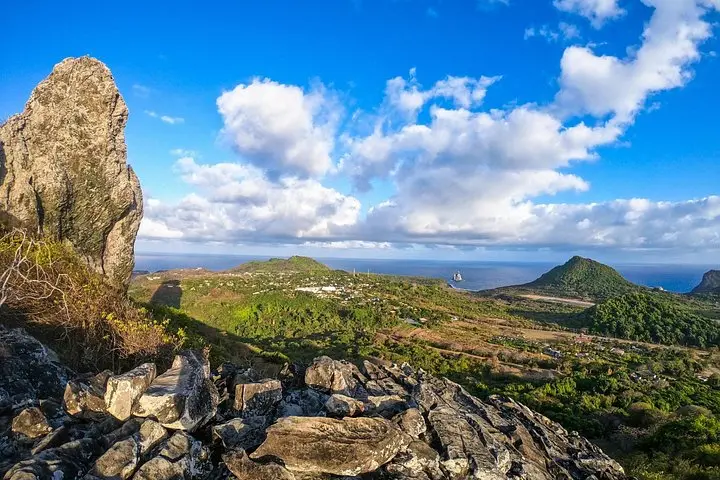
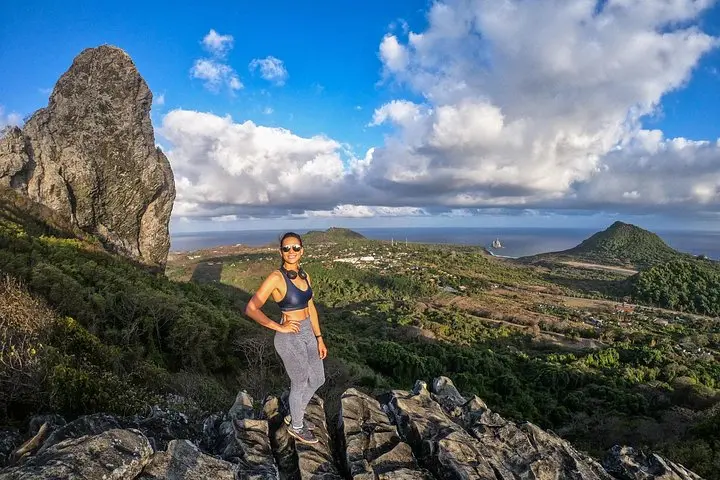
A salt wind pushes across low scrub as you step off the coastal road and into the island’s quieter side. On Fernando de Noronha, the trails change rhythm — the Atalaia path eases you through Atlantic Forest that smells of earth and resin, while the Piquinho climb tightens into rocky switchbacks that reward effort with a near‑360° panorama.
Verified experiences and guided adventures in the surrounding area.
Operated by FORTALEZA EXPERIENCE TOUR · Fernando de Noronha, Pernambuco
A salt wind pushes across low scrub as you step off the coastal road and into the island’s quieter side. On Fernando de Noronha, the trails change rhythm — the Atalaia path eases you through Atlantic Forest that smells of earth and resin, while the Piquinho climb tightens into rocky switchbacks that reward effort with a near‑360° panorama.
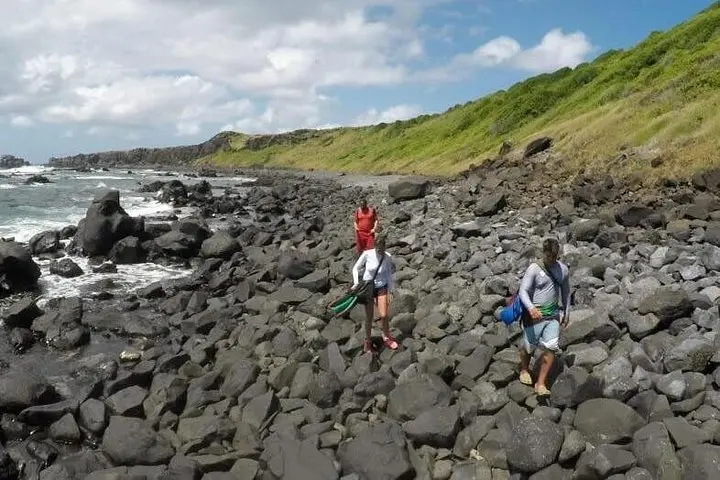
Geology on the island is volcanic: eroded basalt cliffs and jagged outcrops frame sheltered bays where coral gardens prosper. Human history here moves from Portuguese colonial outpost and penal colony to a modern marine reserve; today the archipelago is tightly regulated to protect nesting turtles and seabird colonies. Local culture is small‑island practical — fishermen, guides, and rangers manage access and keep the island’s pulse slow but focused on conservation.
Expect two contrasting segments: Atalaia’s flat, interpretive walk ending at a natural tidal pool perfect for guided snorkeling among reef fish and coral; and the Piquinho trail, roughly 2.7 km round trip with about 200 m of ascent, short steep sections and rocky steps that may require scrambling or rope assistance. Trails are singletrack, shaded in places and exposed on ridgelines.
Practical guidance: carry reef‑safe sunscreen, water, and sturdy shoes with good traction; wear swimwear under your clothes for an efficient transition to snorkeling. The island charges an environmental preservation fee (TPA) and enforces visitor limits — book guided hikes and boat transfers in advance. Midday sun is strong; start early for cooler conditions and best light from the summit. Whether you go for the pool’s clear water or the view from Piquinho, the island demands respect: leave no trace, keep a measured pace, and let the sea and rock set the day’s tempo.
Yes — all visitors pay an environmental preservation fee (Taxa de Preservação Ambiental, TPA) on arrival and must follow park rules; guided tours typically remind you of this requirement.
Piquinho is moderate: about 2.7 km with ~200 m ascent, featuring steep rocky sections where scrambling or rope assistance may be used; basic agility helps.
Guided tours include access to the Atalaia natural pool and snorkeling time, but gear may not be provided — check if you need to bring or rent a mask and fins.
Yes — if swell or rough seas prevent boat access, operators often substitute a full island land tour that visits the main viewpoints and cultural sites.
FORTALEZA EXPERIENCE TOUR operates guided outdoor trips and adventures with an emphasis on safety, stewardship, and memorable experiences.
A salt wind pushes across low scrub as you step off the coastal road and into the island’s quieter side. On Fernando de Noronha, the trails change rhythm — the Atalaia path eases you through Atlantic Forest that smells of earth and resin, while the Piquinho climb tightens into rocky switchbacks that reward effort with a near‑360° panorama.
A salt wind pushes across low scrub as you step off the coastal road and into the island’s quieter side. On Fernando de Noronha, the trails change rhythm — the Atalaia path eases you through Atlantic Forest that smells of earth and resin, while the Piquinho climb tightens into rocky switchbacks that reward effort with a near‑360° panorama.
Geology on the island is volcanic: eroded basalt cliffs and jagged outcrops frame sheltered bays where coral gardens prosper. Human history here moves from Portuguese colonial outpost and penal colony to a modern marine reserve; today the archipelago is tightly regulated to protect nesting turtles and seabird colonies. Local culture is small‑island practical — fishermen, guides, and rangers manage access and keep the island’s pulse slow but focused on conservation.
Expect two contrasting segments: Atalaia’s flat, interpretive walk ending at a natural tidal pool perfect for guided snorkeling among reef fish and coral; and the Piquinho trail, roughly 2.7 km round trip with about 200 m of ascent, short steep sections and rocky steps that may require scrambling or rope assistance. Trails are singletrack, shaded in places and exposed on ridgelines.
Practical guidance: carry reef‑safe sunscreen, water, and sturdy shoes with good traction; wear swimwear under your clothes for an efficient transition to snorkeling. The island charges an environmental preservation fee (TPA) and enforces visitor limits — book guided hikes and boat transfers in advance. Midday sun is strong; start early for cooler conditions and best light from the summit. Whether you go for the pool’s clear water or the view from Piquinho, the island demands respect: leave no trace, keep a measured pace, and let the sea and rock set the day’s tempo.