THE ADVENTURE COLLECTIVE® · Independent discovery and booking for outdoor travel

Follow cool streams and waterfall-fed pools into Valle delle Ferriere, a 7 km guided hike from Amalfi that combines ancient paper-mill ruins, rare laurel forests, and easy but wet terrain. Perfect for hikers who want something green and wild a few steps from the town.
Follow cool streams and waterfall-fed pools into Valle delle Ferriere, a 7 km guided hike from Amalfi that combines ancient paper-mill ruins, rare laurel forests, and easy but wet terrain. Perfect for hikers who want something green and wild a few steps from the town.
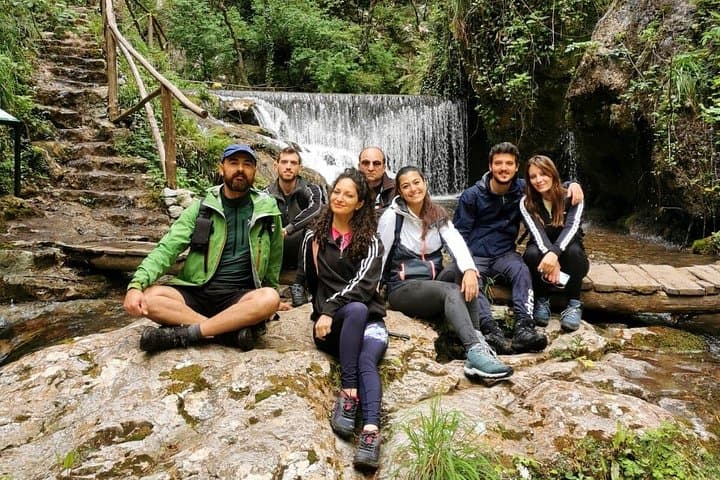
The trail starts like a secret: cobbled alleys of Amalfi give way to a narrow gorge where water threads the valley floor and moss softens every step. A local guide leads the group uphill through a corridor of ferns and towering arum, the air heavy with humidity and the metallic tang of mountain springs. Within minutes the roar of waterfalls replaces the town’s bells—this is Valle delle Ferriere, a protected pocket of damp, prehistoric vegetation that feels more tropical than Mediterranean.
Verified experiences and guided adventures in the surrounding area.
Operated by The Walking Pepp' Trekking Kayak Amalfi Coast · Amalfi, Campania
The trail starts like a secret: cobbled alleys of Amalfi give way to a narrow gorge where water threads the valley floor and moss softens every step. A local guide leads the group uphill through a corridor of ferns and towering arum, the air heavy with humidity and the metallic tang of mountain springs. Within minutes the roar of waterfalls replaces the town’s bells—this is Valle delle Ferriere, a protected pocket of damp, prehistoric vegetation that feels more tropical than Mediterranean.
The reserve is a story written in water and industry. During the Middle Ages and into the early modern period, the valley’s streams powered paper mills that supplied manuscripts and commerce across Europe; their ruined stone foundations still hunker by the river. Geologically, the gorge is a slice of limestone carved by millennia of runoff, with terraces and natural pools where rare plants—relics of wetter epochs—find refuge.
Culturally the hike is tied to Amalfi’s maritime past: the town’s economy was once as much inland industry as sea trade. Today the reserve protects habitats and history, with a focus on preserving endemic laurel and fern communities that survive here and in few other places on the peninsula.
Practically, the route is accessible: 7 kilometers round trip, generally graded easy but with slick rocks, rooty sections, and short staircases. Expect 3 to 4 hours on the trail at a steady pace. Trails are damp; bring shoes with good grip. The official meeting point is at the foot of Amalfi’s cathedral stairs—guides will issue entrance tickets to the reserve and lead the way to the trailhead near the old paper mills.
Timing matters. Early starts avoid midday heat and allow softer light on the falls, while spring amplifies the botanicals with fresh growth. Leave no trace: paths are narrow and sensitive; step lightly and avoid disturbing the pools. Hydrate well—the route is easy but humid, and phone reception can be patchy in the gorge.
For those coming from Ravello or the hilltop hamlets of Pontone and Minuta, pickup can be arranged on request. Families with moderately fit children will find this tour rewarding; travelers with serious heart conditions should opt out due to steep steps and humid microclimates.
At the end, the trail returns to Amalfi with a view that shifts from deep green to the blue sweep of the coastline, a reminder that the Amalfi experience is as much inland water and forest as it is sea and cliff.
The route is about 7 km round trip, rated easy but with wet, uneven sections; expect 3–4 hours including stops.
The tour includes the entrance ticket to the nature reserve, which the guide will provide.
Yes—children with moderate fitness can do the hike, though watch for slippery rocks and supervise near pools and falls.
Wear shoes with good grip, quick-dry clothing, and bring a light rain jacket; avoid flip-flops or smooth-soled footwear.
Pickup from Amalfi is standard; departures from Ravello, Pontone, or Minuta can be arranged on request.
Pets are generally discouraged in the reserve to protect wildlife and sensitive plants; check with the operator before bringing a dog.
The Walking Pepp' Trekking Kayak Amalfi Coast operates guided outdoor trips and adventures with an emphasis on safety, stewardship, and memorable experiences.


The trail starts like a secret: cobbled alleys of Amalfi give way to a narrow gorge where water threads the valley floor and moss softens every step. A local guide leads the group uphill through a corridor of ferns and towering arum, the air heavy with humidity and the metallic tang of mountain springs. Within minutes the roar of waterfalls replaces the town’s bells—this is Valle delle Ferriere, a protected pocket of damp, prehistoric vegetation that feels more tropical than Mediterranean.
The trail starts like a secret: cobbled alleys of Amalfi give way to a narrow gorge where water threads the valley floor and moss softens every step. A local guide leads the group uphill through a corridor of ferns and towering arum, the air heavy with humidity and the metallic tang of mountain springs. Within minutes the roar of waterfalls replaces the town’s bells—this is Valle delle Ferriere, a protected pocket of damp, prehistoric vegetation that feels more tropical than Mediterranean.
The reserve is a story written in water and industry. During the Middle Ages and into the early modern period, the valley’s streams powered paper mills that supplied manuscripts and commerce across Europe; their ruined stone foundations still hunker by the river. Geologically, the gorge is a slice of limestone carved by millennia of runoff, with terraces and natural pools where rare plants—relics of wetter epochs—find refuge.
Culturally the hike is tied to Amalfi’s maritime past: the town’s economy was once as much inland industry as sea trade. Today the reserve protects habitats and history, with a focus on preserving endemic laurel and fern communities that survive here and in few other places on the peninsula.
Practically, the route is accessible: 7 kilometers round trip, generally graded easy but with slick rocks, rooty sections, and short staircases. Expect 3 to 4 hours on the trail at a steady pace. Trails are damp; bring shoes with good grip. The official meeting point is at the foot of Amalfi’s cathedral stairs—guides will issue entrance tickets to the reserve and lead the way to the trailhead near the old paper mills.
Timing matters. Early starts avoid midday heat and allow softer light on the falls, while spring amplifies the botanicals with fresh growth. Leave no trace: paths are narrow and sensitive; step lightly and avoid disturbing the pools. Hydrate well—the route is easy but humid, and phone reception can be patchy in the gorge.
For those coming from Ravello or the hilltop hamlets of Pontone and Minuta, pickup can be arranged on request. Families with moderately fit children will find this tour rewarding; travelers with serious heart conditions should opt out due to steep steps and humid microclimates.
At the end, the trail returns to Amalfi with a view that shifts from deep green to the blue sweep of the coastline, a reminder that the Amalfi experience is as much inland water and forest as it is sea and cliff.