THE ADVENTURE COLLECTIVE® · Independent discovery and booking for outdoor travel

Step beyond sightseeing into Fes’s living workshops—tile studios, tanneries, woodcarvers, and metalworkers—guided by locals who explain centuries-old techniques. This 3–4 hour tour blends hands-on demonstrations with medina history and practical tips for navigating narrow streets and strong tannery scents.
Step beyond sightseeing into Fes’s living workshops—tile studios, tanneries, woodcarvers, and metalworkers—guided by locals who explain centuries-old techniques. This 3–4 hour tour blends hands-on demonstrations with medina history and practical tips for navigating narrow streets and strong tannery scents.
A low sun slants across the ochre alleys of Fes el-Bali as the medina wakes—banter rising from doorways, looms ticking, and the rhythmic strike of metal in a nearby souq. On this workshop tour you move through those sounds, not as a spectator but as a participant: watching a zellige tile take shape, feeling the grain of carved wood, and pausing on a terrace to watch hides soak in dye below.
Verified experiences and guided adventures in the surrounding area.
Operated by Fancy Moroccan Trips · Fes, Fès-Meknès
A low sun slants across the ochre alleys of Fes el-Bali as the medina wakes—banter rising from doorways, looms ticking, and the rhythmic strike of metal in a nearby souq. On this workshop tour you move through those sounds, not as a spectator but as a participant: watching a zellige tile take shape, feeling the grain of carved wood, and pausing on a terrace to watch hides soak in dye below.
Fes is one of Morocco’s oldest living cities; its medina dates back over a millennium and is a UNESCO World Heritage site. The architecture—rammed earth walls, carved cedar doors, and tightly packed lanes—reflects centuries of trade, religion, and craft. The Chouara tannery, leather’s center for generations, still uses natural pigments; the pottery quarter fires tiles in traditional kilns; and caravanserai workshops preserve woodworking and metalwork techniques that spread across North Africa.
Expect close-up demonstrations, chances to try simple techniques, and conversational context from a local guide who explains materials, guild histories, and the apprentice system that keeps skills alive. Practicalities matter: the medina’s lanes are uneven, often narrow, and fragrant—tannery views come with strong smells from a distance, reduced on higher terraces. Wear closed shoes, carry cash for small purchases and tips, and aim for morning light for cooler temperatures and clearer views.
This tour is immersive but accessible—three to four hours of walking, hands-on observation, and cultural exchange that turns the medina’s crafts into a series of meaningful moments rather than a checklist of sights.
The tour typically lasts 3–4 hours and includes multiple workshop stops across the medina.
Yes—the tannery has a strong odor; views are often from terraces above the pits which reduces intensity, and mornings are less pungent.
Yes, many artisans sell finished pieces; bring cash and be prepared to bargain respectfully.
The tour is family-friendly but the medina includes narrow lanes and uneven steps; notify the operator of mobility needs so they can adapt the route or pickup point.
Fancy Moroccan Trips operates guided outdoor trips and adventures with an emphasis on safety, stewardship, and memorable experiences.
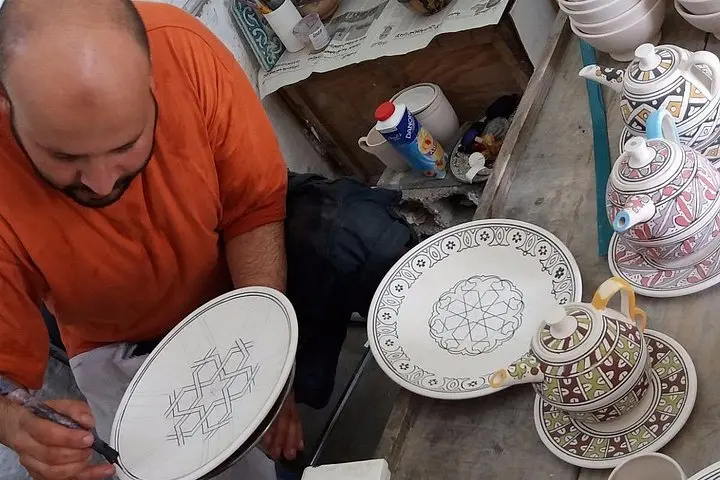
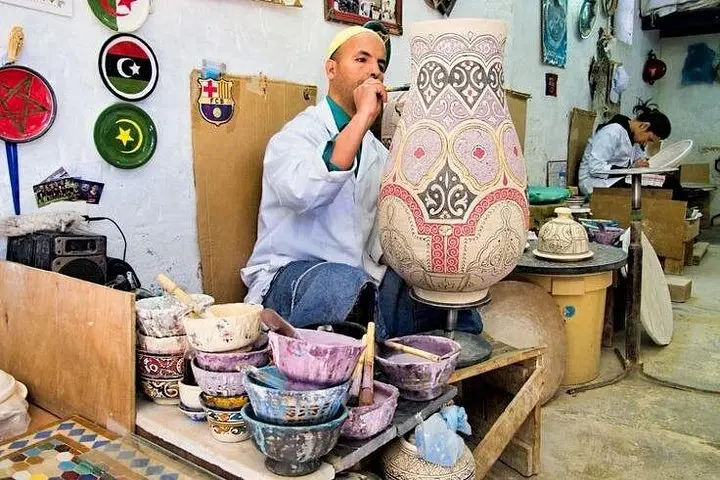
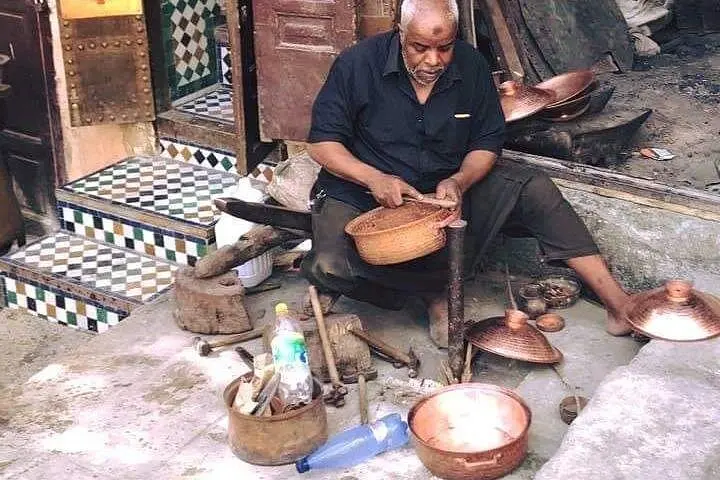
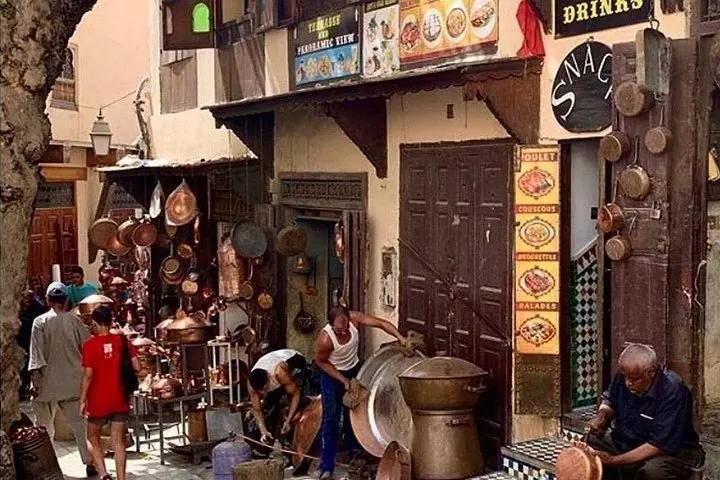
A low sun slants across the ochre alleys of Fes el-Bali as the medina wakes—banter rising from doorways, looms ticking, and the rhythmic strike of metal in a nearby souq. On this workshop tour you move through those sounds, not as a spectator but as a participant: watching a zellige tile take shape, feeling the grain of carved wood, and pausing on a terrace to watch hides soak in dye below.
A low sun slants across the ochre alleys of Fes el-Bali as the medina wakes—banter rising from doorways, looms ticking, and the rhythmic strike of metal in a nearby souq. On this workshop tour you move through those sounds, not as a spectator but as a participant: watching a zellige tile take shape, feeling the grain of carved wood, and pausing on a terrace to watch hides soak in dye below.
Fes is one of Morocco’s oldest living cities; its medina dates back over a millennium and is a UNESCO World Heritage site. The architecture—rammed earth walls, carved cedar doors, and tightly packed lanes—reflects centuries of trade, religion, and craft. The Chouara tannery, leather’s center for generations, still uses natural pigments; the pottery quarter fires tiles in traditional kilns; and caravanserai workshops preserve woodworking and metalwork techniques that spread across North Africa.
Expect close-up demonstrations, chances to try simple techniques, and conversational context from a local guide who explains materials, guild histories, and the apprentice system that keeps skills alive. Practicalities matter: the medina’s lanes are uneven, often narrow, and fragrant—tannery views come with strong smells from a distance, reduced on higher terraces. Wear closed shoes, carry cash for small purchases and tips, and aim for morning light for cooler temperatures and clearer views.
This tour is immersive but accessible—three to four hours of walking, hands-on observation, and cultural exchange that turns the medina’s crafts into a series of meaningful moments rather than a checklist of sights.