THE ADVENTURE COLLECTIVE® · Independent discovery and booking for outdoor travel

A well-paced day trip from Fes delivers Chefchaouen’s iconic blue alleys, Rif Mountain vistas, and local markets. Expect easy walking, great photo opportunities, and a relaxed cultural immersion.
A well-paced day trip from Fes delivers Chefchaouen’s iconic blue alleys, Rif Mountain vistas, and local markets. Expect easy walking, great photo opportunities, and a relaxed cultural immersion.
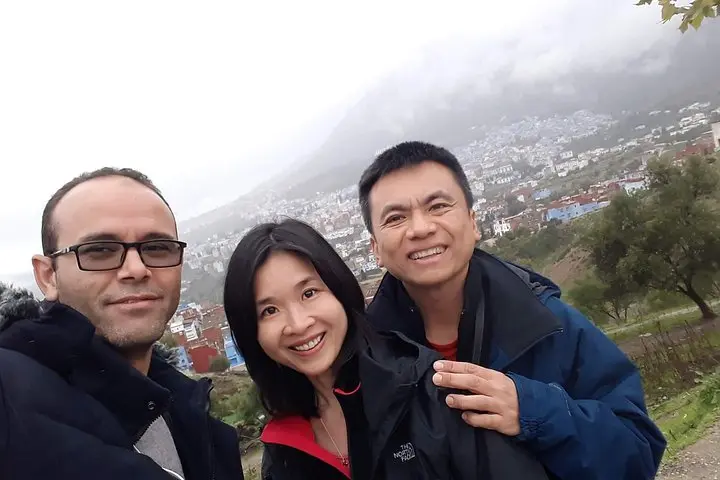
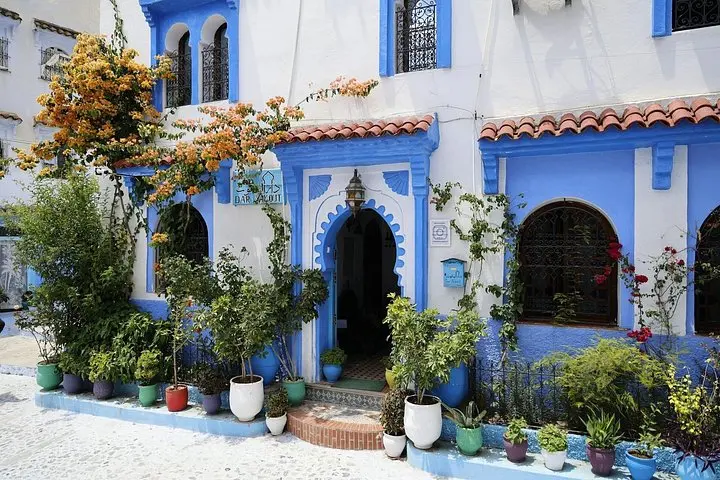
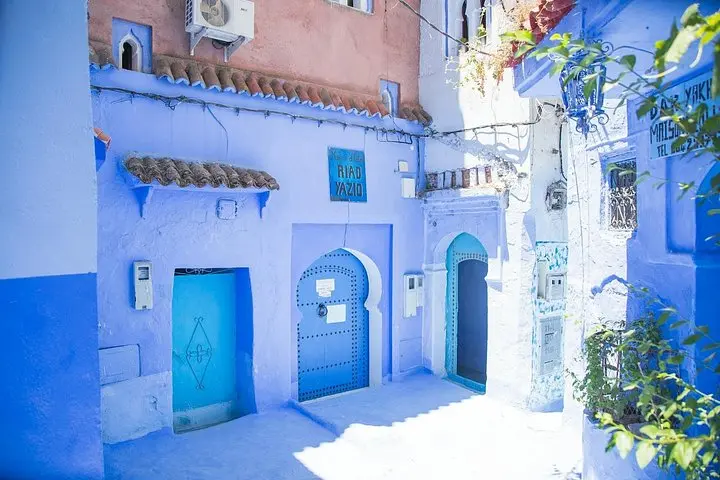
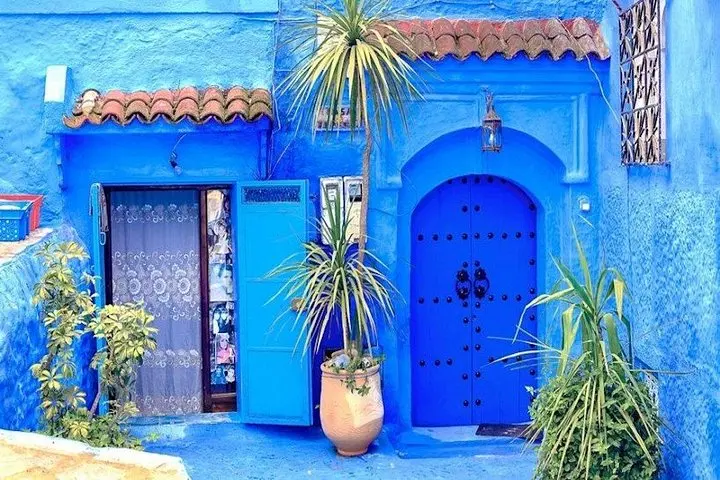
You arrive before the medina hum fully wakes: the minarets and bluewashed alleys catch the morning sun, and the Rif Mountains press close to the town like a folded blanket. The road from Fes opens into switchbacks, pine-scented air, and a sudden spill of cobalt paint—Chefchaouen’s blue walls come into view, cool against the warm Moroccan light.
Verified experiences and guided adventures in the surrounding area.
Operated by Nasari viajes · Chefchaouen, Tanger-Tetouan-Al Hoceima
You arrive before the medina hum fully wakes: the minarets and bluewashed alleys catch the morning sun, and the Rif Mountains press close to the town like a folded blanket. The road from Fes opens into switchbacks, pine-scented air, and a sudden spill of cobalt paint—Chefchaouen’s blue walls come into view, cool against the warm Moroccan light.
Founded in the late 15th century by Andalusian exiles, Chefchaouen blends Spanish-influenced architecture with Berber and Arabic traditions. Geologically, the town sits on the southern flank of the Rif range—limestone ridges and terraced slopes where springs like Ras Elma thread down into plazas, daring you to follow the sound upstream. The Kasbah in Uta el-Hammam anchors the medina: stone courtyards, a small ethnographic museum, and rooftop vantage points perfect for wide-angle shots.
Stroll narrow lanes to markets selling handwoven wool, indigo-dyed textiles, and hammered brass. The town is compact—most highlights are reachable on foot—but cobbles and stairways demand steady shoes and deliberate steps.
Practical guidance: this is a full-day outing (roughly eight hours including drive time) best started early to avoid afternoon crowds. Carry cash—many stalls are cash-only—and bring a lightweight layer for breezy viewpoints above town. Respect local customs: modest dress and asking before photographing people are standard courtesies. If you want the panoramic view, hike toward the old Spanish Mosque at sunset for the clearest light. The trip is accessible for most travelers and rewards patience with quiet alleys, vivid color, and mountain panoramas that feel unexpectedly intimate.
The drive is about 3 to 3.5 hours each way depending on traffic and stops, making this a roughly 8-hour day trip including time in town.
Yes—streets are compact but uneven; children and older adults should take care on cobbles and stairs and may prefer a slower pace.
Yes—there are many local restaurants and cafes near Uta el-Hammam offering traditional Moroccan dishes; carrying some cash is advisable.
Photography is allowed in public spaces, but always ask permission before photographing people and be mindful of private shops and homes.
Nasari viajes operates guided outdoor trips and adventures with an emphasis on safety, stewardship, and memorable experiences.
You arrive before the medina hum fully wakes: the minarets and bluewashed alleys catch the morning sun, and the Rif Mountains press close to the town like a folded blanket. The road from Fes opens into switchbacks, pine-scented air, and a sudden spill of cobalt paint—Chefchaouen’s blue walls come into view, cool against the warm Moroccan light.
You arrive before the medina hum fully wakes: the minarets and bluewashed alleys catch the morning sun, and the Rif Mountains press close to the town like a folded blanket. The road from Fes opens into switchbacks, pine-scented air, and a sudden spill of cobalt paint—Chefchaouen’s blue walls come into view, cool against the warm Moroccan light.
Founded in the late 15th century by Andalusian exiles, Chefchaouen blends Spanish-influenced architecture with Berber and Arabic traditions. Geologically, the town sits on the southern flank of the Rif range—limestone ridges and terraced slopes where springs like Ras Elma thread down into plazas, daring you to follow the sound upstream. The Kasbah in Uta el-Hammam anchors the medina: stone courtyards, a small ethnographic museum, and rooftop vantage points perfect for wide-angle shots.
Stroll narrow lanes to markets selling handwoven wool, indigo-dyed textiles, and hammered brass. The town is compact—most highlights are reachable on foot—but cobbles and stairways demand steady shoes and deliberate steps.
Practical guidance: this is a full-day outing (roughly eight hours including drive time) best started early to avoid afternoon crowds. Carry cash—many stalls are cash-only—and bring a lightweight layer for breezy viewpoints above town. Respect local customs: modest dress and asking before photographing people are standard courtesies. If you want the panoramic view, hike toward the old Spanish Mosque at sunset for the clearest light. The trip is accessible for most travelers and rewards patience with quiet alleys, vivid color, and mountain panoramas that feel unexpectedly intimate.