THE ADVENTURE COLLECTIVE® · Independent discovery and booking for outdoor travel

A private day trip from Fes delivers Chefchaouen’s iconic blue medina, mountain views and cultural sights in a single long day. Expect winding Rif roads, cobbled alleys, and a focused four-hour visit to the town’s best spots.
A private day trip from Fes delivers Chefchaouen’s iconic blue medina, mountain views and cultural sights in a single long day. Expect winding Rif roads, cobbled alleys, and a focused four-hour visit to the town’s best spots.
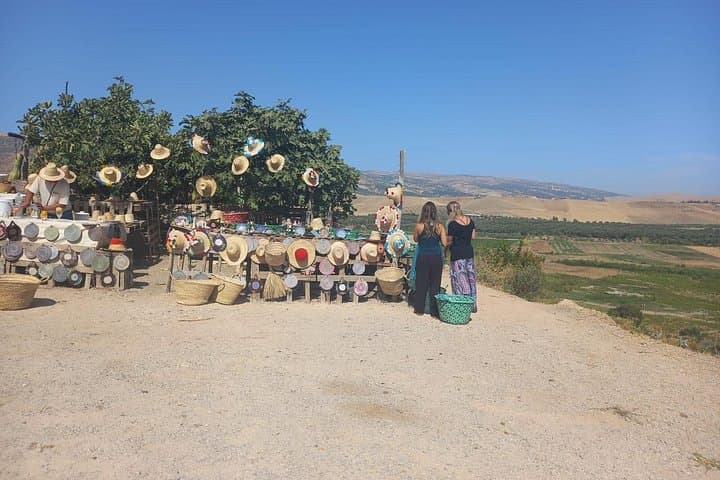
You leave Fes before dawn, the city’s minarets receding as the road climbs into the Rif Mountains. Pines and terraced fields edge the highway; reservoirs speckle the valleys and the air sharpens with altitude as you approach Chefchaouen.
Verified experiences and guided adventures in the surrounding area.
Operated by Hassle Free Excursion · Chefchaouen, Tanger-Tetouan-Al Hoceima
You leave Fes before dawn, the city’s minarets receding as the road climbs into the Rif Mountains. Pines and terraced fields edge the highway; reservoirs speckle the valleys and the air sharpens with altitude as you approach Chefchaouen.
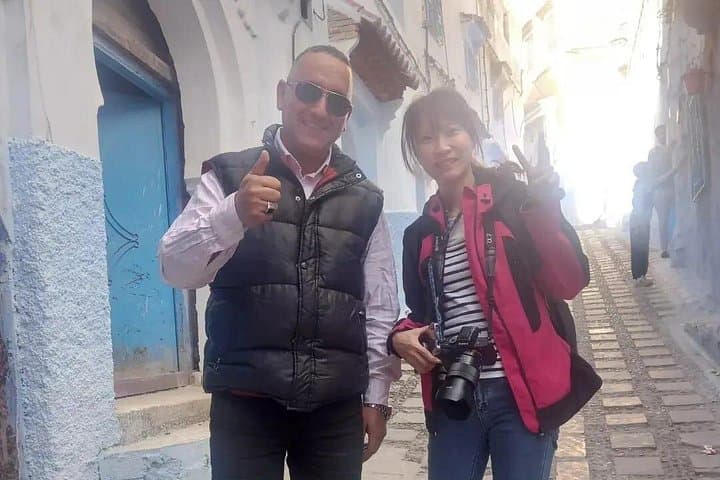
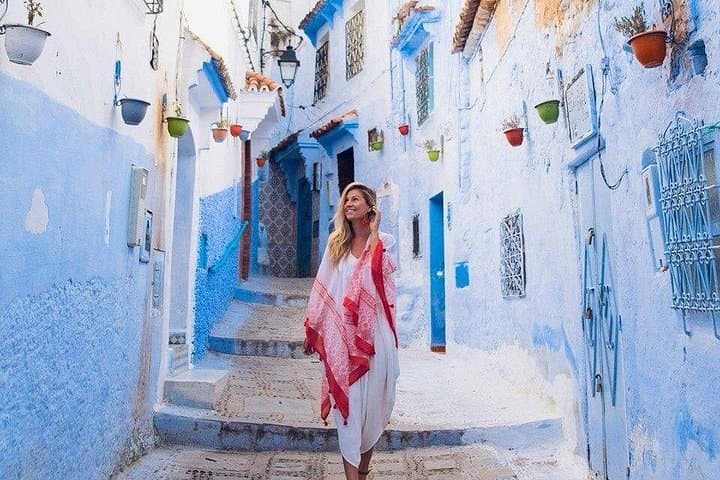
Chefchaouen’s compact medina unfurls in blue: alleys that narrow to stairways, courtyards shaded by overhanging balconies, and the steady burble of the Ras Elma river threading through town. Plaza Uta el-Hammam acts as a meeting point—cafés, tea houses and the fortress-like Kasbah Museum that anchors the old town’s 18th-century imprint. The Grand Mosque (non-Muslim access limited) and the ethnographic collection offer quick cultural context: local crafts, traditional instruments and scaled artifacts from the Rif.
Geologically the town sits on the northern slopes of the Rif, a folded range formed by the African–Eurasian collision; landscapes shift from limestone slopes to cultivated foothills. Architecturally you’ll notice Andalusian lines and a legacy of 15th-century Andalusian and Moroccan settlers; the blue paint—often attributed to Jewish traditions and practical insect deterrence—defines the visual experience.
Practically: expect a long day—roughly 9–10 hours total with about 3–3.5 hours driving each way. Walking is over cobbles and steep alleys, so bring sturdy shoes, water, and cash for small purchases. A four-hour window in the medina is enough to see the highlights but not to hurry—prioritize the Kasbah, a riverside stroll along Ras Elma, and time in Plaza Uta el-Hammam. Travel in spring or fall for milder temperatures and clearer light; mornings and late afternoons offer the best photos and thinner crowds.
Expect approximately 3–3.5 hours each way depending on traffic and stops; the full trip runs about 9–10 hours including exploration time.
Yes—most of the medina is walkable, but plan for cobbles and short steep sections; private transport and flexible pacing make it accessible for multiple ages.
Non-Muslims are generally not allowed inside the main prayer hall, but its exterior and the surrounding plaza are part of the walking tour experience.
This tour typically includes bottled water and private transport; meals are not included, so plan to budget for a café or restaurant in Plaza Uta el-Hammam.
Hassle Free Excursion operates guided outdoor trips and adventures with an emphasis on safety, stewardship, and memorable experiences.

You leave Fes before dawn, the city’s minarets receding as the road climbs into the Rif Mountains. Pines and terraced fields edge the highway; reservoirs speckle the valleys and the air sharpens with altitude as you approach Chefchaouen.
You leave Fes before dawn, the city’s minarets receding as the road climbs into the Rif Mountains. Pines and terraced fields edge the highway; reservoirs speckle the valleys and the air sharpens with altitude as you approach Chefchaouen.
Chefchaouen’s compact medina unfurls in blue: alleys that narrow to stairways, courtyards shaded by overhanging balconies, and the steady burble of the Ras Elma river threading through town. Plaza Uta el-Hammam acts as a meeting point—cafés, tea houses and the fortress-like Kasbah Museum that anchors the old town’s 18th-century imprint. The Grand Mosque (non-Muslim access limited) and the ethnographic collection offer quick cultural context: local crafts, traditional instruments and scaled artifacts from the Rif.
Geologically the town sits on the northern slopes of the Rif, a folded range formed by the African–Eurasian collision; landscapes shift from limestone slopes to cultivated foothills. Architecturally you’ll notice Andalusian lines and a legacy of 15th-century Andalusian and Moroccan settlers; the blue paint—often attributed to Jewish traditions and practical insect deterrence—defines the visual experience.
Practically: expect a long day—roughly 9–10 hours total with about 3–3.5 hours driving each way. Walking is over cobbles and steep alleys, so bring sturdy shoes, water, and cash for small purchases. A four-hour window in the medina is enough to see the highlights but not to hurry—prioritize the Kasbah, a riverside stroll along Ras Elma, and time in Plaza Uta el-Hammam. Travel in spring or fall for milder temperatures and clearer light; mornings and late afternoons offer the best photos and thinner crowds.