THE ADVENTURE COLLECTIVE® · Independent discovery and booking for outdoor travel

Cross the Middle Atlas from Fes to the golden dunes of Merzouga on a compact two-day tour that pairs cedar forests and Berber villages with a sunset camel trek and an overnight in a desert camp. Practical route planning, essential gear, and local insights included.
Cross the Middle Atlas from Fes to the golden dunes of Merzouga on a compact two-day tour that pairs cedar forests and Berber villages with a sunset camel trek and an overnight in a desert camp. Practical route planning, essential gear, and local insights included.
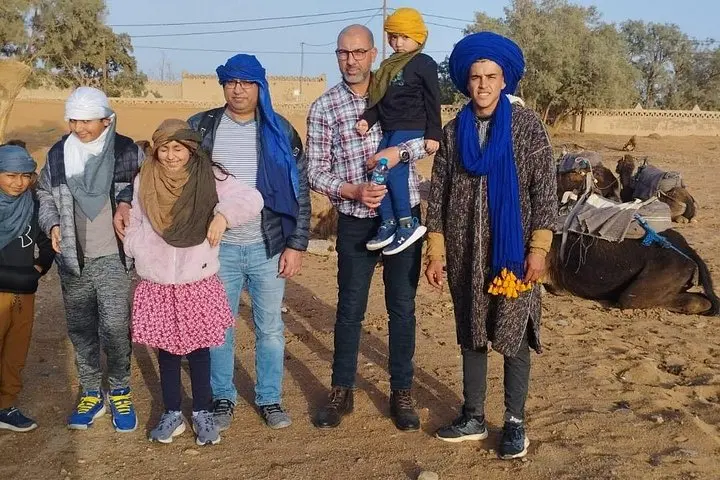
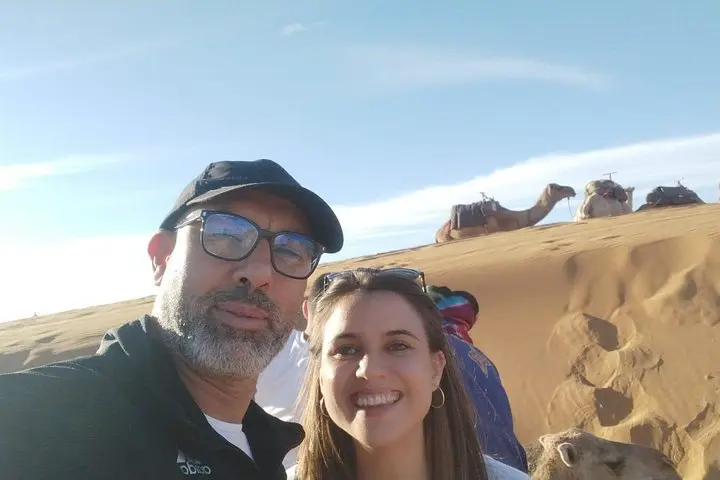
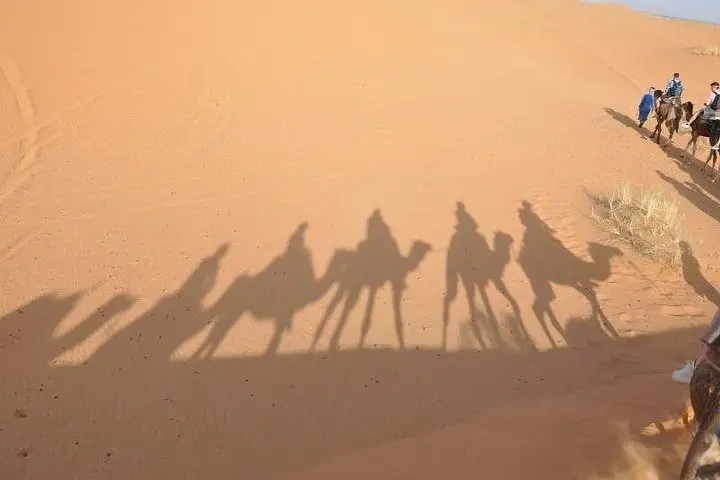
A low, amber sun spills across Erg Chebbi as the convoy slows and the silence of the Sahara takes over — sand that seems to breathe, reshaping itself with every gust. The day begins in Fes, a living medina of tiled alleys, then climbs through the Middle Atlas where cedar forests and villages frame the road. By late afternoon the landscape tilts toward ochre and wind-sculpted dunes; a short camel trek carries you to a Berber camp where stars feel close enough to touch.
Verified experiences and guided adventures in the surrounding area.
Operated by Fez Fancy Tours · Merzouga, Drâa-Tafilalet
A low, amber sun spills across Erg Chebbi as the convoy slows and the silence of the Sahara takes over — sand that seems to breathe, reshaping itself with every gust. The day begins in Fes, a living medina of tiled alleys, then climbs through the Middle Atlas where cedar forests and villages frame the road. By late afternoon the landscape tilts toward ochre and wind-sculpted dunes; a short camel trek carries you to a Berber camp where stars feel close enough to touch.
This route stitches together Morocco’s contrasting geologies: limestone and cedar of the Atlas, the fertile Ziz Valley palm groves, and the mobile sand seas of Erg Chebbi formed from millions of years of riverine deposits and wind sorting. Cultural layers are equally visible — Amazigh (Berber) villages, caravan waypoints near Tafilalte, and small communities like Khamlia that preserve Gnawa music traditions.
Practicalities matter here. The itinerary covers roughly 450–500 km round trip from Fes with long driving stretches broken by viewpoints and short walks. Temperatures swing sharply between night and day; desert nights require warm layers even when daytime is hot. Expect basic tent accommodation at the camp, a camel saddle for the dune walk, and hot meals prepared by local hosts. Bring a headlamp, sun protection, refillable water, and cash for local purchases and tips.
The trip balances comfort and immersion: an accessible way to cross Morocco’s highlands into the Sahara and sleep under an unfiltered sky.
The typical camel trek to the camp is about 45–90 minutes depending on the group and chosen route; it’s a steady, low-pace ride over dunes.
Accommodation is basic Berber-style tents with sleeping rugs and blankets; facilities vary but include communal meals and often shared wash areas.
Most of the route crosses the Middle Atlas up to around 1,650 m near Ifrane and then descends to Merzouga; those with cardiovascular issues should consult a physician but the tour is generally low-intensity.
Local hosts typically accommodate common requests if notified in advance; use the booking questions to specify allergies or dietary needs.
Fez Fancy Tours operates guided outdoor trips and adventures with an emphasis on safety, stewardship, and memorable experiences.
A low, amber sun spills across Erg Chebbi as the convoy slows and the silence of the Sahara takes over — sand that seems to breathe, reshaping itself with every gust. The day begins in Fes, a living medina of tiled alleys, then climbs through the Middle Atlas where cedar forests and villages frame the road. By late afternoon the landscape tilts toward ochre and wind-sculpted dunes; a short camel trek carries you to a Berber camp where stars feel close enough to touch.
A low, amber sun spills across Erg Chebbi as the convoy slows and the silence of the Sahara takes over — sand that seems to breathe, reshaping itself with every gust. The day begins in Fes, a living medina of tiled alleys, then climbs through the Middle Atlas where cedar forests and villages frame the road. By late afternoon the landscape tilts toward ochre and wind-sculpted dunes; a short camel trek carries you to a Berber camp where stars feel close enough to touch.
This route stitches together Morocco’s contrasting geologies: limestone and cedar of the Atlas, the fertile Ziz Valley palm groves, and the mobile sand seas of Erg Chebbi formed from millions of years of riverine deposits and wind sorting. Cultural layers are equally visible — Amazigh (Berber) villages, caravan waypoints near Tafilalte, and small communities like Khamlia that preserve Gnawa music traditions.
Practicalities matter here. The itinerary covers roughly 450–500 km round trip from Fes with long driving stretches broken by viewpoints and short walks. Temperatures swing sharply between night and day; desert nights require warm layers even when daytime is hot. Expect basic tent accommodation at the camp, a camel saddle for the dune walk, and hot meals prepared by local hosts. Bring a headlamp, sun protection, refillable water, and cash for local purchases and tips.
The trip balances comfort and immersion: an accessible way to cross Morocco’s highlands into the Sahara and sleep under an unfiltered sky.