THE ADVENTURE COLLECTIVE® · Independent discovery and booking for outdoor travel

Three days linking Fez and Marrakech via the High Atlas and Erg Chebbi dunes—camels, a luxury desert camp, Todra and Dades gorges, plus the UNESCO kasbah at Aït Ben Haddou. Expect long drives, spectacular geology, and intimate cultural encounters with Berber communities.
Three days linking Fez and Marrakech via the High Atlas and Erg Chebbi dunes—camels, a luxury desert camp, Todra and Dades gorges, plus the UNESCO kasbah at Aït Ben Haddou. Expect long drives, spectacular geology, and intimate cultural encounters with Berber communities.
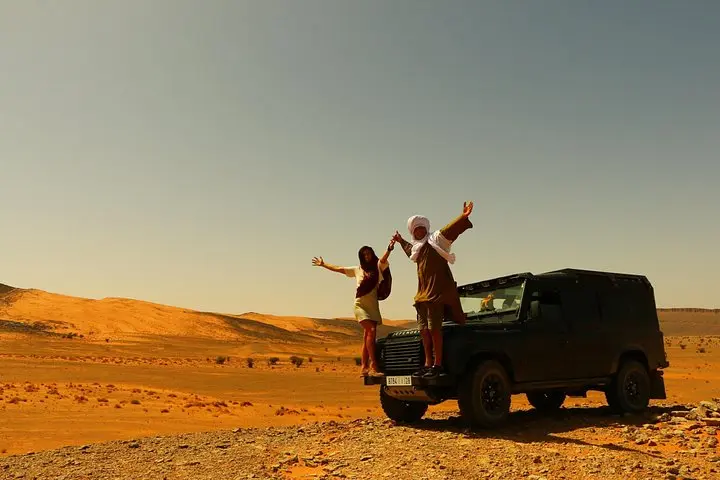
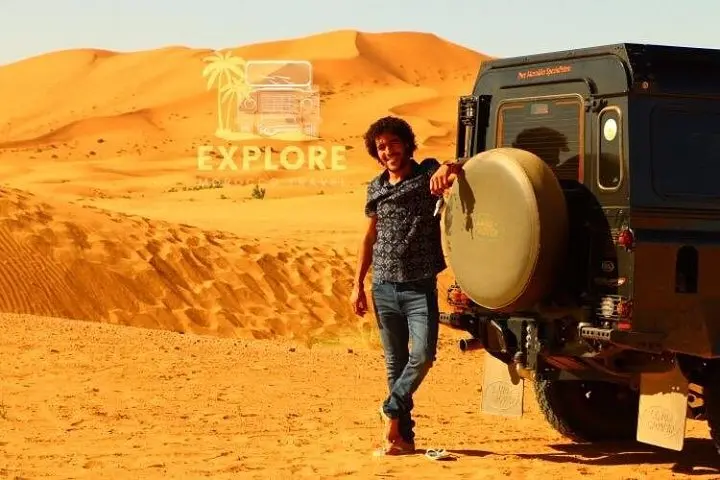
You leave Fez before dawn, the city’s alleys shrinking behind you as cedar forests and cedar-scented air climb into the Middle Atlas. The road bends past Ifrane’s chalet-like houses, threads through nomad tents, and pushes on across high passes until the desert light opens—gold dunes that seem to shift with their own will. A one-hour camel trek across Erg Chebbi deposits you at a luxury desert camp where a private tent and a washroom await; the night sky makes its own theater.
Verified experiences and guided adventures in the surrounding area.
Operated by Explore Morocco Travel SARL · Merzouga, Drâa-Tafilalet
You leave Fez before dawn, the city’s alleys shrinking behind you as cedar forests and cedar-scented air climb into the Middle Atlas. The road bends past Ifrane’s chalet-like houses, threads through nomad tents, and pushes on across high passes until the desert light opens—gold dunes that seem to shift with their own will. A one-hour camel trek across Erg Chebbi deposits you at a luxury desert camp where a private tent and a washroom await; the night sky makes its own theater.
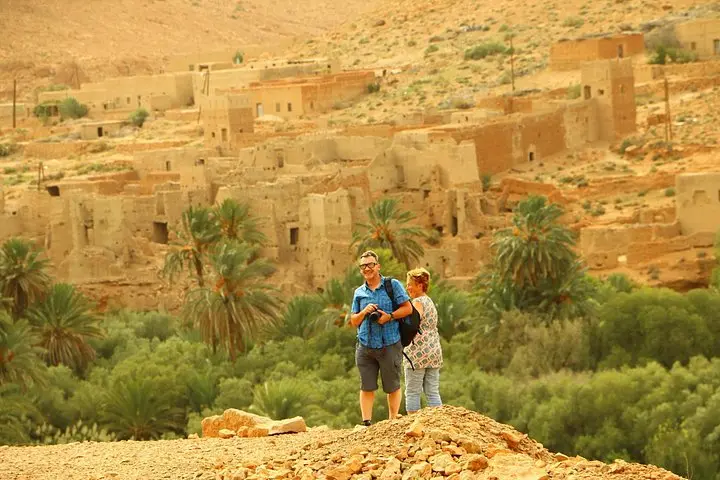
This route follows ancient caravan corridors between the Rif and Sahara. Geology here is dramatic: cedar forests on limestone and schist give way to folded High Atlas ranges and wind-sculpted Erg Chebbi dunes formed from millennia of eroded rock. Cultural highlights are straightforward and close-up: Berber villages, lively souks in Rissani, and UNESCO-listed Aït Ben Haddou, a clay kasbah that preserves pre-modern oasis architecture.
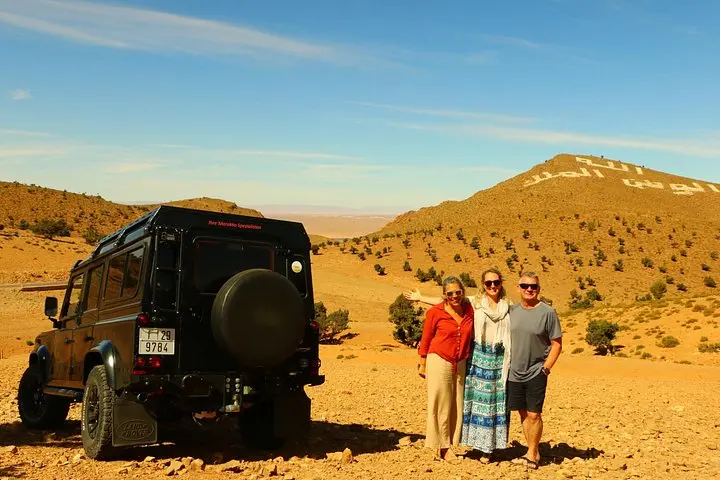
Expect carved gorges at Todra (rock walls up to 300 m), the photogenic “Monkey Fingers” rock forms in Dades, and the Tizi n’Tichka pass at roughly 2,260 m of altitude—good for clear, panoramic photos.
Practical notes: the tour covers long driving stretches (Fez–Merzouga is several hundred kilometers), so bring sun protection, layered clothing for cold desert nights and high passes, sturdy shoes for short hikes in gorges, and at least 2–3 liters of daily water capacity. Mobile signal is patchy; cash is handy in small towns. The itinerary is paced for moderate fitness—plan rest, keep cameras charged, and arrive with a flexible spirit ready for shifting light and sudden vistas.
The typical camel ride to the camp is about one hour at sunset; operators usually offer a vehicle return option the next morning.
Yes—this private tour includes two nights (one in a luxury desert camp with private bathroom, one in a riad in Dades); the final night is in Marrakech on your own unless booked through the provider.
Yes—expect several long driving segments across the Middle and High Atlas; most days combine driving with short walks and photo stops.
Families can join, but camel rides and uneven terrain may be difficult for very young children or those with mobility limitations; inform the operator at booking for alternatives.
Explore Morocco Travel SARL operates guided outdoor trips and adventures with an emphasis on safety, stewardship, and memorable experiences.
You leave Fez before dawn, the city’s alleys shrinking behind you as cedar forests and cedar-scented air climb into the Middle Atlas. The road bends past Ifrane’s chalet-like houses, threads through nomad tents, and pushes on across high passes until the desert light opens—gold dunes that seem to shift with their own will. A one-hour camel trek across Erg Chebbi deposits you at a luxury desert camp where a private tent and a washroom await; the night sky makes its own theater.
You leave Fez before dawn, the city’s alleys shrinking behind you as cedar forests and cedar-scented air climb into the Middle Atlas. The road bends past Ifrane’s chalet-like houses, threads through nomad tents, and pushes on across high passes until the desert light opens—gold dunes that seem to shift with their own will. A one-hour camel trek across Erg Chebbi deposits you at a luxury desert camp where a private tent and a washroom await; the night sky makes its own theater.
This route follows ancient caravan corridors between the Rif and Sahara. Geology here is dramatic: cedar forests on limestone and schist give way to folded High Atlas ranges and wind-sculpted Erg Chebbi dunes formed from millennia of eroded rock. Cultural highlights are straightforward and close-up: Berber villages, lively souks in Rissani, and UNESCO-listed Aït Ben Haddou, a clay kasbah that preserves pre-modern oasis architecture.
Expect carved gorges at Todra (rock walls up to 300 m), the photogenic “Monkey Fingers” rock forms in Dades, and the Tizi n’Tichka pass at roughly 2,260 m of altitude—good for clear, panoramic photos.
Practical notes: the tour covers long driving stretches (Fez–Merzouga is several hundred kilometers), so bring sun protection, layered clothing for cold desert nights and high passes, sturdy shoes for short hikes in gorges, and at least 2–3 liters of daily water capacity. Mobile signal is patchy; cash is handy in small towns. The itinerary is paced for moderate fitness—plan rest, keep cameras charged, and arrive with a flexible spirit ready for shifting light and sudden vistas.