THE ADVENTURE COLLECTIVE® · Independent discovery and booking for outdoor travel

Travel from Fes to Marrakech across cedar forests, palm oases and the vast Erg Chebbi dunes on a five-day desert circuit. Expect long drives, a sunset camel trek, Gnawa music in Khamlia and UNESCO-listed kasbahs like Ait Ben Haddou.
Travel from Fes to Marrakech across cedar forests, palm oases and the vast Erg Chebbi dunes on a five-day desert circuit. Expect long drives, a sunset camel trek, Gnawa music in Khamlia and UNESCO-listed kasbahs like Ait Ben Haddou.
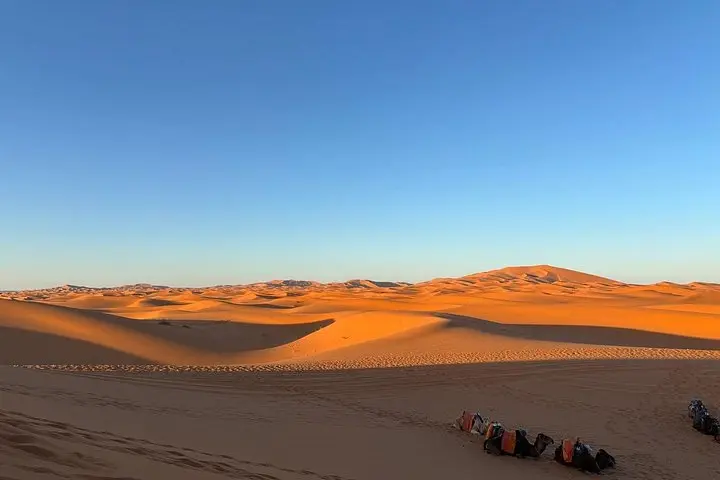
A low sun glances off the crests of Erg Chebbi as your convoy eases out of cedar-shaded passes and onto ochre plains. Over five days the landscape changes in stages — snow-swept slopes near Ifrane give way to apple orchards around Midelt, then to palm oases, towering kasbah walls and the rippling sea of dunes at Merzouga that dare you to climb them.
Verified experiences and guided adventures in the surrounding area.
Operated by Morocco Golden Desert Trip · Merzouga, Drâa-Tafilalet
A low sun glances off the crests of Erg Chebbi as your convoy eases out of cedar-shaded passes and onto ochre plains. Over five days the landscape changes in stages — snow-swept slopes near Ifrane give way to apple orchards around Midelt, then to palm oases, towering kasbah walls and the rippling sea of dunes at Merzouga that dare you to climb them.
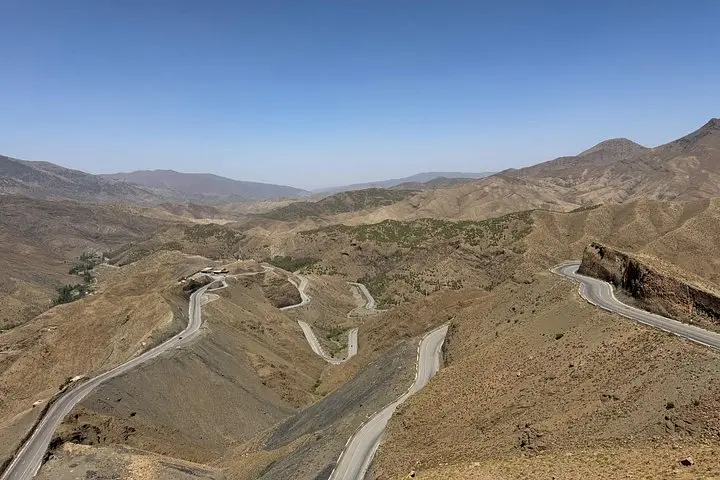
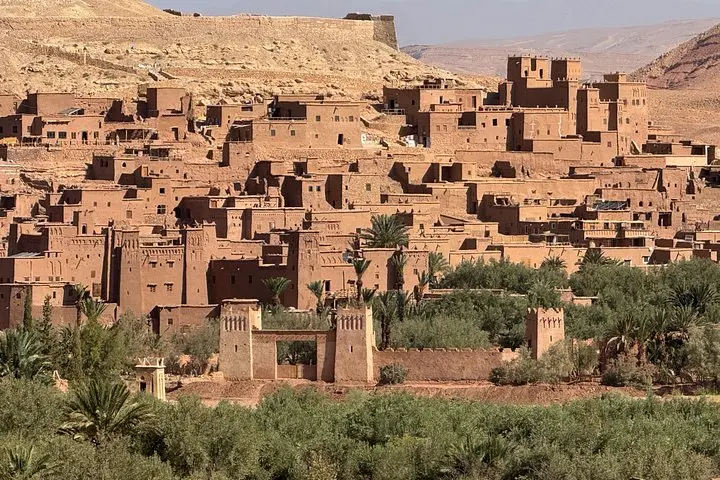
The route threads historic caravan corridors: Rissani’s souk once brokered gold and salt, Ait Ben Haddou stands as a fortified waypoint now listed by UNESCO, and the Atlas ridgeline crosses at Tizi n’Tichka (2,260 m). Geologically the Erg Chebbi is wind-sculpted sand deposited against an ancient shield; Todra Gorge cuts a hard, vertical seam through softer sediment, producing canyon walls ideal for short, dramatic walks.
Culturally the trip centers on Berber villages, nightly desert camps, and Gnawa music in Khamlia — an intimate look at desert hospitality. Practicalities are straightforward: expect long driving segments (several 4–6 hour stretches), a guided one-hour camel trek at sunset, and simple camp or riad accommodations. Temperatures swing widely — hot days, cold desert nights — so layer clothing and carry at least 2–3 liters of water per day. Footwear should handle sand and quick canyon scrambles; bring sun protection, a headlamp and cash for small purchases in markets.
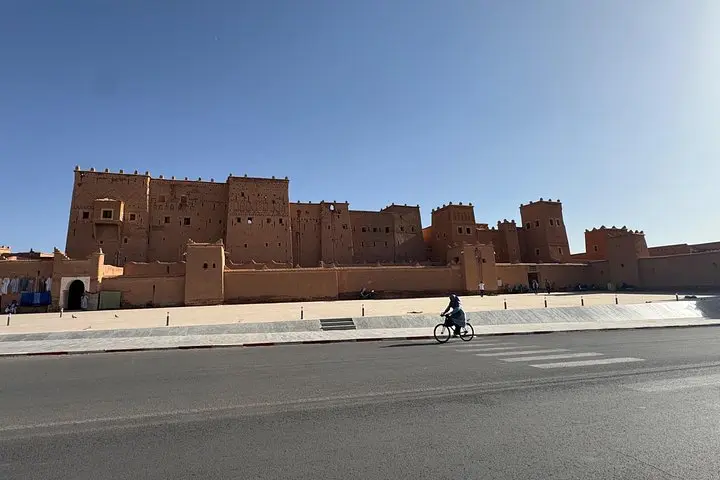
For photographers, sunrises on the dunes and the zigzag of kasbah walls are prime. For planners, note accessibility limits for those with serious spine, heart, or pregnancy concerns, and prepare for intermittent mobile signal. This tour balances natural spectacle with cultural encounters — a pragmatic, sensory route through Morocco’s varied interior.
The itinerary includes about a one-hour camel trek at sunset across Erg Chebbi, timed for photography and soft light.
Accommodations vary by night: a mix of riads, kasbah-style hotels and a desert camp; camps offer simple beds and shared facilities.
The trip is family-friendly but not recommended for those with serious spine, heart conditions, or pregnancy due to long drives and camel rides.
Vehicles transport main luggage between stops; bring a small daypack for personal items during the camel trek and overnight in the camp.
Morocco Golden Desert Trip operates guided outdoor trips and adventures with an emphasis on safety, stewardship, and memorable experiences.
A low sun glances off the crests of Erg Chebbi as your convoy eases out of cedar-shaded passes and onto ochre plains. Over five days the landscape changes in stages — snow-swept slopes near Ifrane give way to apple orchards around Midelt, then to palm oases, towering kasbah walls and the rippling sea of dunes at Merzouga that dare you to climb them.
A low sun glances off the crests of Erg Chebbi as your convoy eases out of cedar-shaded passes and onto ochre plains. Over five days the landscape changes in stages — snow-swept slopes near Ifrane give way to apple orchards around Midelt, then to palm oases, towering kasbah walls and the rippling sea of dunes at Merzouga that dare you to climb them.
The route threads historic caravan corridors: Rissani’s souk once brokered gold and salt, Ait Ben Haddou stands as a fortified waypoint now listed by UNESCO, and the Atlas ridgeline crosses at Tizi n’Tichka (2,260 m). Geologically the Erg Chebbi is wind-sculpted sand deposited against an ancient shield; Todra Gorge cuts a hard, vertical seam through softer sediment, producing canyon walls ideal for short, dramatic walks.
Culturally the trip centers on Berber villages, nightly desert camps, and Gnawa music in Khamlia — an intimate look at desert hospitality. Practicalities are straightforward: expect long driving segments (several 4–6 hour stretches), a guided one-hour camel trek at sunset, and simple camp or riad accommodations. Temperatures swing widely — hot days, cold desert nights — so layer clothing and carry at least 2–3 liters of water per day. Footwear should handle sand and quick canyon scrambles; bring sun protection, a headlamp and cash for small purchases in markets.
For photographers, sunrises on the dunes and the zigzag of kasbah walls are prime. For planners, note accessibility limits for those with serious spine, heart, or pregnancy concerns, and prepare for intermittent mobile signal. This tour balances natural spectacle with cultural encounters — a pragmatic, sensory route through Morocco’s varied interior.