THE ADVENTURE COLLECTIVE® · Independent discovery and booking for outdoor travel

Two days from Fes to Tangier via Volubilis and an overnight in Chefchaouen blends Roman ruins, blue-painted alleys, and Rif Mountain scenery into a compact cultural road trip. Expect comfortable transfers, short walks, and time to explore medinas and coastal views.
Two days from Fes to Tangier via Volubilis and an overnight in Chefchaouen blends Roman ruins, blue-painted alleys, and Rif Mountain scenery into a compact cultural road trip. Expect comfortable transfers, short walks, and time to explore medinas and coastal views.
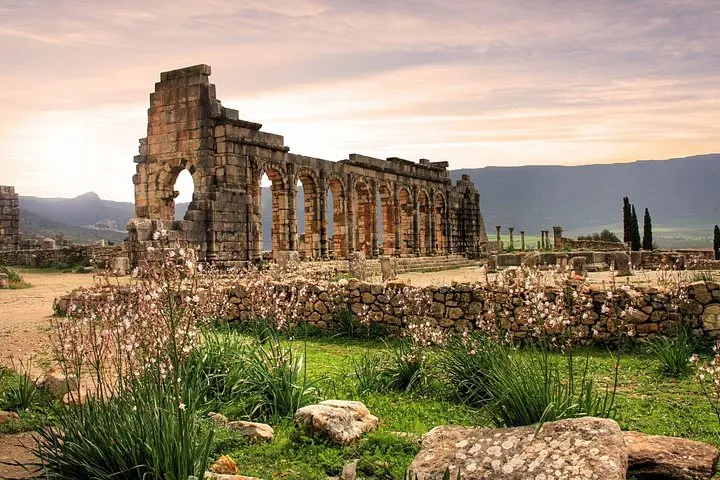
You leave Fes before dawn and the road unfurls: olive terraces, low stone walls, and the slow rise of the Rif Mountains. By midday the air shifts—drier, edged with pine—and the Roman ruins of Volubilis stretch across a sunlit plain, mosaics and columns holding a quiet, lived-in dignity.
Verified experiences and guided adventures in the surrounding area.
Operated by Bekben travel · Chefchaouen, Tanger-Tetouan-Al Hoceima
You leave Fes before dawn and the road unfurls: olive terraces, low stone walls, and the slow rise of the Rif Mountains. By midday the air shifts—drier, edged with pine—and the Roman ruins of Volubilis stretch across a sunlit plain, mosaics and columns holding a quiet, lived-in dignity.
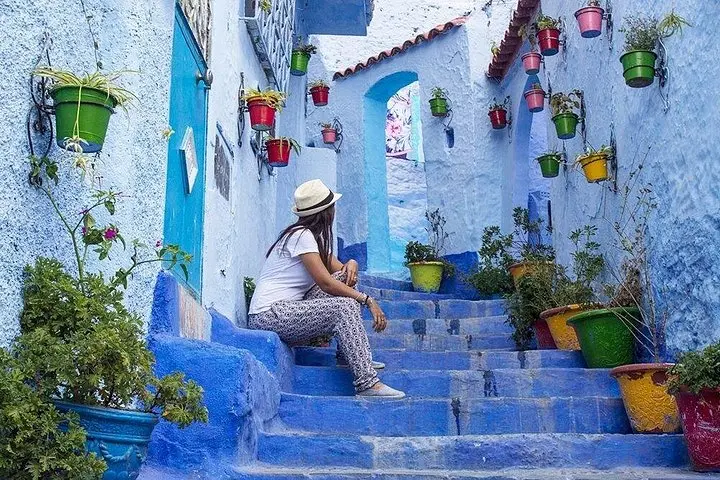
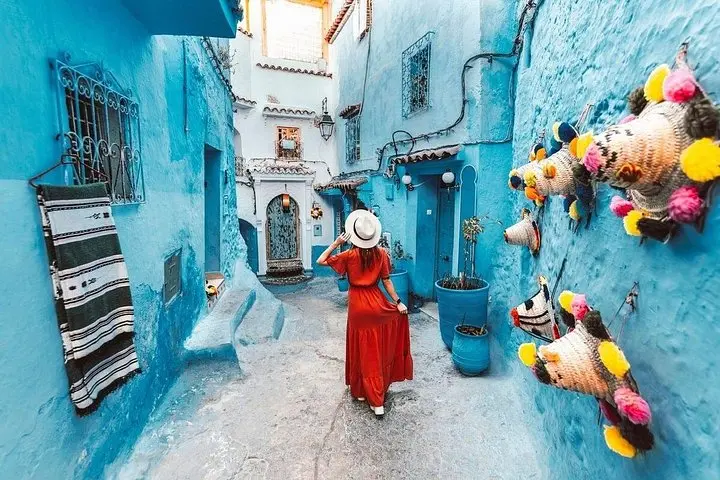
Volubilis is where empire becomes landscape; the mosaics tell domestic stories while the hills around it hint at the agricultural wealth that sustained the town. The drive north climbs into folded geology: limestone ridges of the Rif, narrow passes, and the cool blue of Chefchaouen’s alleys tucked into a bowl of hills. Chefchaouen’s blue-washed streets are both a visual calming and a practical tradition—reflecting light and repelling heat—and the town’s history mixes Berber roots with Andalusian influence, visible in carved wood and whitewashed facades.
Spend the evening and next morning wandering small lanes, visiting local craft shops, and catching views from the kasbah plaza. The route continues through Tetouan—whose medina is a living archive of Spanish-Moroccan exchange—before arriving at Tangier, where the coast opens and two seas meet.
Practical guidance: this is a private, two-day transfer with short walks and multiple stops; expect roughly 6–8 hours of driving spread across two days with comfortable breaks. Bring layered clothing for mountain mornings, sturdy walking shoes for uneven cobbles and ruins, sunscreen, and a small daypack. Cash (dirhams) is useful in small towns; phones work but expect intermittent data on rural stretches.
Entrances are typically not included in the base tour price—confirm with your operator and have cash or card ready for the ticket office.
Walks are flexible; most visitors spend 1–3 hours exploring the medina on foot, navigating narrow, often steep alleys.
Breakfast is provided and operators usually accommodate common dietary restrictions if informed at booking—use the special requirements field.
The tour concludes in Tangier with drop-off at your accommodation, the port, or the airport depending on your onward travel plans.
Bekben travel operates guided outdoor trips and adventures with an emphasis on safety, stewardship, and memorable experiences.

You leave Fes before dawn and the road unfurls: olive terraces, low stone walls, and the slow rise of the Rif Mountains. By midday the air shifts—drier, edged with pine—and the Roman ruins of Volubilis stretch across a sunlit plain, mosaics and columns holding a quiet, lived-in dignity.
You leave Fes before dawn and the road unfurls: olive terraces, low stone walls, and the slow rise of the Rif Mountains. By midday the air shifts—drier, edged with pine—and the Roman ruins of Volubilis stretch across a sunlit plain, mosaics and columns holding a quiet, lived-in dignity.
Volubilis is where empire becomes landscape; the mosaics tell domestic stories while the hills around it hint at the agricultural wealth that sustained the town. The drive north climbs into folded geology: limestone ridges of the Rif, narrow passes, and the cool blue of Chefchaouen’s alleys tucked into a bowl of hills. Chefchaouen’s blue-washed streets are both a visual calming and a practical tradition—reflecting light and repelling heat—and the town’s history mixes Berber roots with Andalusian influence, visible in carved wood and whitewashed facades.
Spend the evening and next morning wandering small lanes, visiting local craft shops, and catching views from the kasbah plaza. The route continues through Tetouan—whose medina is a living archive of Spanish-Moroccan exchange—before arriving at Tangier, where the coast opens and two seas meet.
Practical guidance: this is a private, two-day transfer with short walks and multiple stops; expect roughly 6–8 hours of driving spread across two days with comfortable breaks. Bring layered clothing for mountain mornings, sturdy walking shoes for uneven cobbles and ruins, sunscreen, and a small daypack. Cash (dirhams) is useful in small towns; phones work but expect intermittent data on rural stretches.