THE ADVENTURE COLLECTIVE® · Independent discovery and booking for outdoor travel

Spend a long day between Fes, the Roman ruins of Volubilis and the imperial gates of Meknes. This guided trip pairs ancient mosaics and monumental walls with practical tips to make the most of your day.
Spend a long day between Fes, the Roman ruins of Volubilis and the imperial gates of Meknes. This guided trip pairs ancient mosaics and monumental walls with practical tips to make the most of your day.
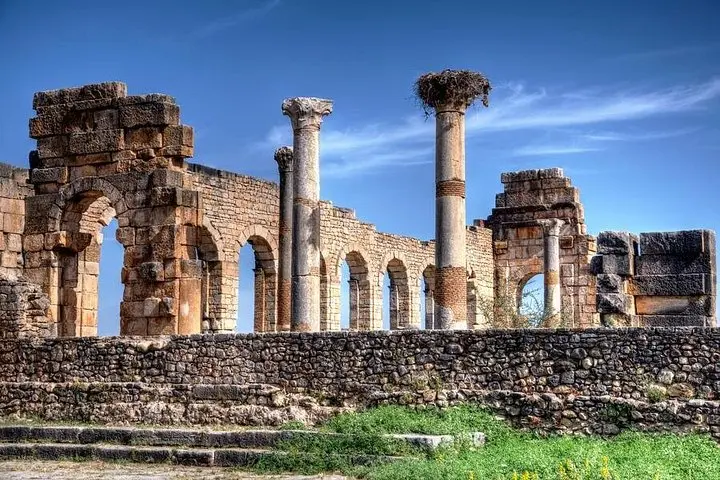
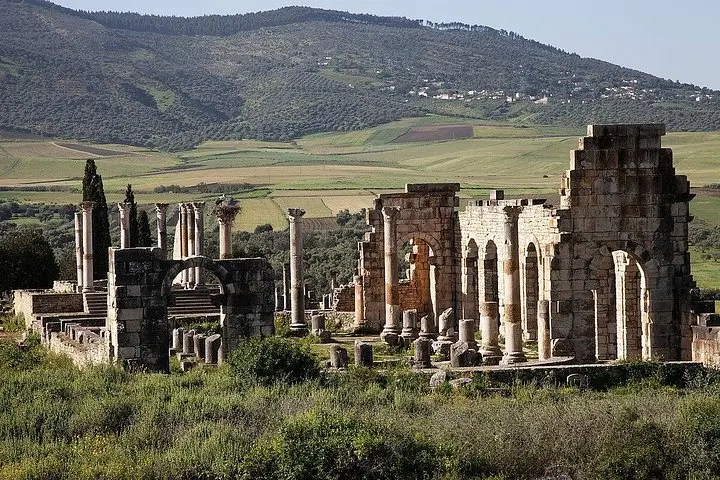
Morning light from Fes thinly gilds the road as the van slips north toward rolling olive groves and the low stone ruins of Volubilis. By mid-morning you stand on a carpet of rubble and mosaics where Roman columns still dare the open sky; beyond them, the Rif and Middle Atlas outlines hold the horizon like watchful neighbors.
Verified experiences and guided adventures in the surrounding area.
Operated by Fes Morocco Tours · Meknes, Fès-Meknès
Morning light from Fes thinly gilds the road as the van slips north toward rolling olive groves and the low stone ruins of Volubilis. By mid-morning you stand on a carpet of rubble and mosaics where Roman columns still dare the open sky; beyond them, the Rif and Middle Atlas outlines hold the horizon like watchful neighbors.
Volubilis began as a Berber settlement and grew into a Roman provincial capital noted for its floor mosaics, triumphal arches and the Temple of Saturn. A short drive brings you to Meknes, the 17th‑century Alaouite capital reshaped by Sultan Moulay Ismail — massive 15m-high ramparts, ornate gates such as Bab Mansour and the lively Place El Hedim that keeps the city’s pulse.
Geology here is gentle limestone and marl; winds erode exposed blocks but also reveal the town plan and mosaic courtyards. Culture is layered — Roman civic life, Islamic dynasties and modern Moroccan markets coexist in tight, walkable pockets.
Practical side: tours typically run 10–12 hours with hotel pickup in Fes and drop-off; expect uneven stone surfaces and short walks up shallow grades. Bring sun protection, sturdy shoes, and small change for local vendors and museum fees. Start early to beat midday heat and allow time for photography at the ruins and a relaxed stroll through Meknes’ medina. Respect ropes and signage at archaeological areas — the best way to keep these places standing is to leave them as you found them.
Most standard day trips do not include the official archaeological site fee—confirm with your operator and carry local cash for entrance.
Yes, pickups from riads and hotels in Fes are commonly provided; confirm your pickup point when booking.
Some operators list wheelchair accessibility, but the ruins themselves have uneven ground and limited wheelchair access—check specifics before booking.
Typical tours provide an English‑ and French‑speaking driver/guide; private guides with other languages can be arranged in advance.
Fes Morocco Tours operates guided outdoor trips and adventures with an emphasis on safety, stewardship, and memorable experiences.

Morning light from Fes thinly gilds the road as the van slips north toward rolling olive groves and the low stone ruins of Volubilis. By mid-morning you stand on a carpet of rubble and mosaics where Roman columns still dare the open sky; beyond them, the Rif and Middle Atlas outlines hold the horizon like watchful neighbors.
Morning light from Fes thinly gilds the road as the van slips north toward rolling olive groves and the low stone ruins of Volubilis. By mid-morning you stand on a carpet of rubble and mosaics where Roman columns still dare the open sky; beyond them, the Rif and Middle Atlas outlines hold the horizon like watchful neighbors.
Volubilis began as a Berber settlement and grew into a Roman provincial capital noted for its floor mosaics, triumphal arches and the Temple of Saturn. A short drive brings you to Meknes, the 17th‑century Alaouite capital reshaped by Sultan Moulay Ismail — massive 15m-high ramparts, ornate gates such as Bab Mansour and the lively Place El Hedim that keeps the city’s pulse.
Geology here is gentle limestone and marl; winds erode exposed blocks but also reveal the town plan and mosaic courtyards. Culture is layered — Roman civic life, Islamic dynasties and modern Moroccan markets coexist in tight, walkable pockets.
Practical side: tours typically run 10–12 hours with hotel pickup in Fes and drop-off; expect uneven stone surfaces and short walks up shallow grades. Bring sun protection, sturdy shoes, and small change for local vendors and museum fees. Start early to beat midday heat and allow time for photography at the ruins and a relaxed stroll through Meknes’ medina. Respect ropes and signage at archaeological areas — the best way to keep these places standing is to leave them as you found them.