THE ADVENTURE COLLECTIVE® · Independent discovery and booking for outdoor travel

A full-day run from Fez brings you into Chefchaouen’s famously blue medina, framed by Rif ridgelines. This small-group tour pairs a scenic drive with four hours to explore the Kasbah, Outa el-Hammam and winding alleys at your own pace.
A full-day run from Fez brings you into Chefchaouen’s famously blue medina, framed by Rif ridgelines. This small-group tour pairs a scenic drive with four hours to explore the Kasbah, Outa el-Hammam and winding alleys at your own pace.
You arrive before the medina wakes: blue-washed walls catch the low sun and a slow current of locals and visitors threads through narrow alleys. The drive from Fez climbs toward the Rif foothills, then opens into a bowl of white-and-blue houses clinging to a terraced slope—Chefchaouen’s color seems to push at the eye.
Verified experiences and guided adventures in the surrounding area.
Operated by Desert Life Tours · Chefchaouen, Tanger-Tetouan-Al Hoceima
You arrive before the medina wakes: blue-washed walls catch the low sun and a slow current of locals and visitors threads through narrow alleys. The drive from Fez climbs toward the Rif foothills, then opens into a bowl of white-and-blue houses clinging to a terraced slope—Chefchaouen’s color seems to push at the eye.
Founded in 1471 as a defensive kasbah by local leader Ali ibn Rashid, Chefchaouen grew where mountain springs meet trade routes. The town’s pigment tradition—dying walls and woven textiles—reflects Andalusian roots and later Spanish contact in the 20th century. Geologically the Rif is folded limestone; the steep ravines that frame the town create viewpoints and microclimates that sustain olive groves and cedar up high.
Culturally, the medina’s Outa el-Hammam square, the Kasbah museum tower, and the Grand Mosque are practical hubs: tea stalls for people-watching, artisans dyeing wool in shallow vats, and rooftop terraces that trade shade for panoramas. Expect narrow cobbles underfoot, occasional steep steps, and photo ops at every turn.
Practical guidance: pick a morning departure to beat midday heat, bring cash for small shops, and wear sturdy shoes for uneven streets. Your small-group tour includes A/C transport (about 3.5–4 hours each way) and roughly four hours free to explore—enough for the Kasbah museum, Ras El Ma spring, and a relaxed lunch. Hydrate, respect prayer times and dress modestly in the medina, and leave larger backpacks at your hotel if possible.
Expect roughly 3.5–4 hours each way by A/C vehicle, depending on traffic and stops for photos or coffee.
No—tour includes transport and free time in the medina; you can choose from local cafés and street vendors.
Transportation and some main areas are wheelchair accessible, but many medina alleys and viewpoints have steps and uneven cobbles.
Yes—pick-up from most central riads and hotels in Fez is offered; confirm your pickup point when booking.
Desert Life Tours operates guided outdoor trips and adventures with an emphasis on safety, stewardship, and memorable experiences.
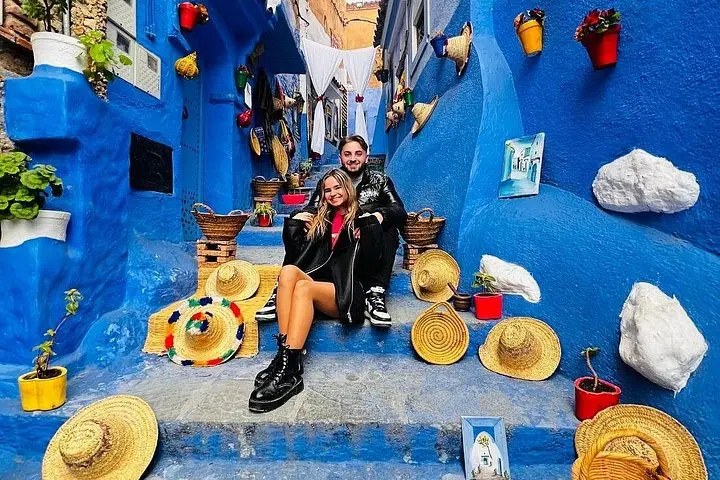
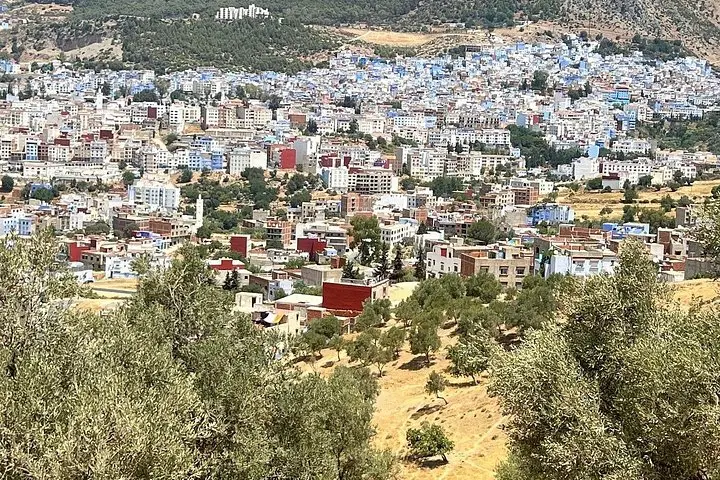
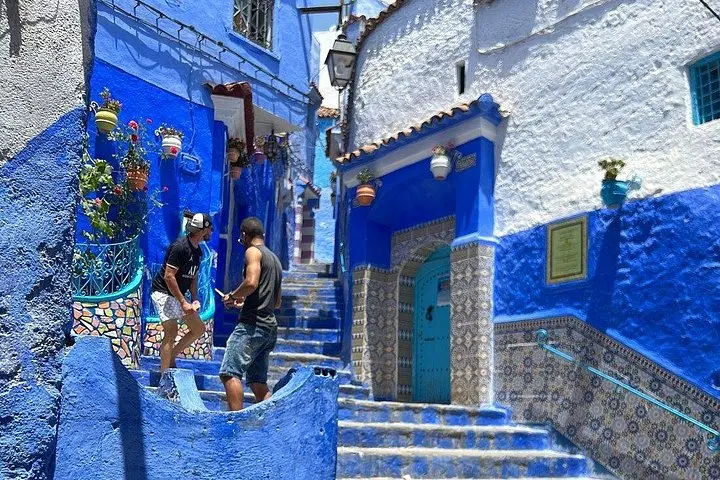
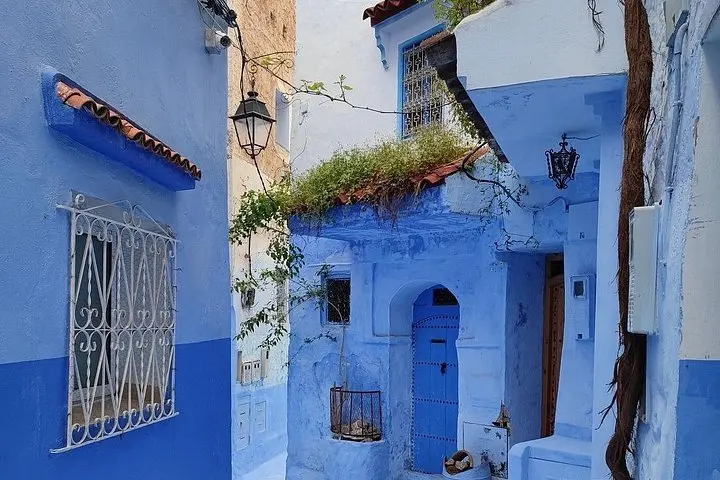
You arrive before the medina wakes: blue-washed walls catch the low sun and a slow current of locals and visitors threads through narrow alleys. The drive from Fez climbs toward the Rif foothills, then opens into a bowl of white-and-blue houses clinging to a terraced slope—Chefchaouen’s color seems to push at the eye.
You arrive before the medina wakes: blue-washed walls catch the low sun and a slow current of locals and visitors threads through narrow alleys. The drive from Fez climbs toward the Rif foothills, then opens into a bowl of white-and-blue houses clinging to a terraced slope—Chefchaouen’s color seems to push at the eye.
Founded in 1471 as a defensive kasbah by local leader Ali ibn Rashid, Chefchaouen grew where mountain springs meet trade routes. The town’s pigment tradition—dying walls and woven textiles—reflects Andalusian roots and later Spanish contact in the 20th century. Geologically the Rif is folded limestone; the steep ravines that frame the town create viewpoints and microclimates that sustain olive groves and cedar up high.
Culturally, the medina’s Outa el-Hammam square, the Kasbah museum tower, and the Grand Mosque are practical hubs: tea stalls for people-watching, artisans dyeing wool in shallow vats, and rooftop terraces that trade shade for panoramas. Expect narrow cobbles underfoot, occasional steep steps, and photo ops at every turn.
Practical guidance: pick a morning departure to beat midday heat, bring cash for small shops, and wear sturdy shoes for uneven streets. Your small-group tour includes A/C transport (about 3.5–4 hours each way) and roughly four hours free to explore—enough for the Kasbah museum, Ras El Ma spring, and a relaxed lunch. Hydrate, respect prayer times and dress modestly in the medina, and leave larger backpacks at your hotel if possible.