THE ADVENTURE COLLECTIVE® · Independent discovery and booking for outdoor travel

A full-day drive from Fes brings visitors to Chefchaouen’s blue medina and Rif Mountain vistas. This day trip pairs steep, cobbled lanes and local markets with short hikes and panoramic lookout points.
A full-day drive from Fes brings visitors to Chefchaouen’s blue medina and Rif Mountain vistas. This day trip pairs steep, cobbled lanes and local markets with short hikes and panoramic lookout points.
A pale sky brightens as the minibus eases out of Fes and the Rif Mountains begin to rise—green folds punctuated by rocky teeth. By the time Chefchaouen appears, its blue-washed houses climb the hillside like paint spilling down an amphitheater. The town’s narrow alleys smell of spices, fried pastries and cedar smoke; the mountain air nudges visitors toward viewpoints where sweeping valleys stretch toward the Mediterranean.
Verified experiences and guided adventures in the surrounding area.
Operated by Morocco explore excursion · Chefchaouen, Tanger-Tetouan-Al Hoceima
A pale sky brightens as the minibus eases out of Fes and the Rif Mountains begin to rise—green folds punctuated by rocky teeth. By the time Chefchaouen appears, its blue-washed houses climb the hillside like paint spilling down an amphitheater. The town’s narrow alleys smell of spices, fried pastries and cedar smoke; the mountain air nudges visitors toward viewpoints where sweeping valleys stretch toward the Mediterranean.
Chefchaouen grew around a 15th-century kasbah and later absorbed Andalusian and Jewish influences that shaped its architecture and the distinctive blue palette of the medina. Geologically, the Rif is younger and more folded than the Atlas, with limestone ridges that feed springs such as Ras El Maa just outside town. Culturally, Chefchaouen blends rural Amazigh (Berber) traditions with Spanish-era touches—expect handwoven textiles, small tanneries and local goat cheeses.
Practically, a day trip from Fes is a long but manageable outing: roughly 3.5–4 hours each way by car on paved roads, with a few hours to explore the medina, kasbah and Talassemtan forest. Wear sturdy shoes for cobbles and short, steep streets; bring water and sun protection—summer heat builds quickly and winter winds can bite at higher viewpoints. Guided private transport and hotel pickup simplify logistics and maximize time in town. Photographers should aim for morning or late afternoon light to capture the blues without harsh shadows. Travelers should respect local customs inside religious sites and carry small change for market purchases.
The trip balances easy walking with memorable vistas—a compact, sensory-rich slice of northern Morocco best enjoyed with a practical plan and a relaxed pace.
Expect about 3.5–4 hours each way on paved roads, depending on traffic and stops en route.
Many alleys are narrow and cobbled with steps; while some areas near the main square are easier, full accessibility is limited.
Typical day-trip inclusions are bottled water and transport; meals are usually not included so plan to buy lunch in town or bring snacks.
Yes—this is family-friendly, but infants should sit on laps during the drive and parents should supervise on steep cobbles and near drop-offs.
Morocco explore excursion operates guided outdoor trips and adventures with an emphasis on safety, stewardship, and memorable experiences.
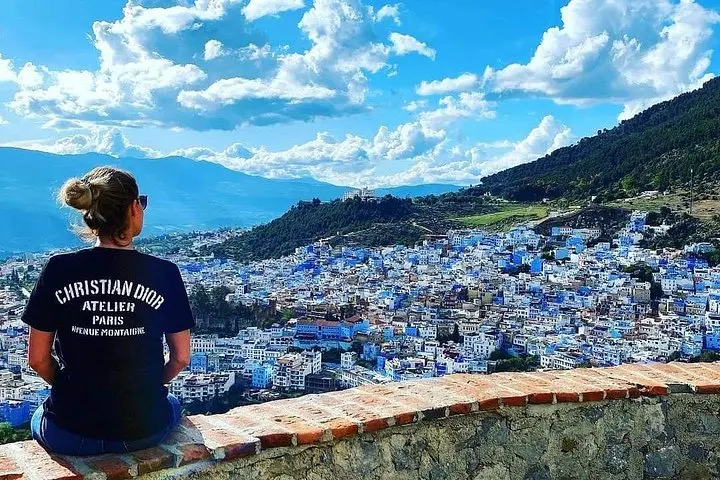
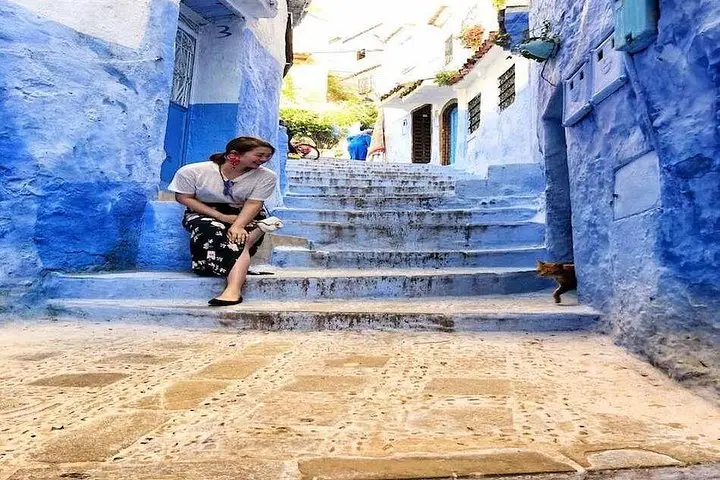
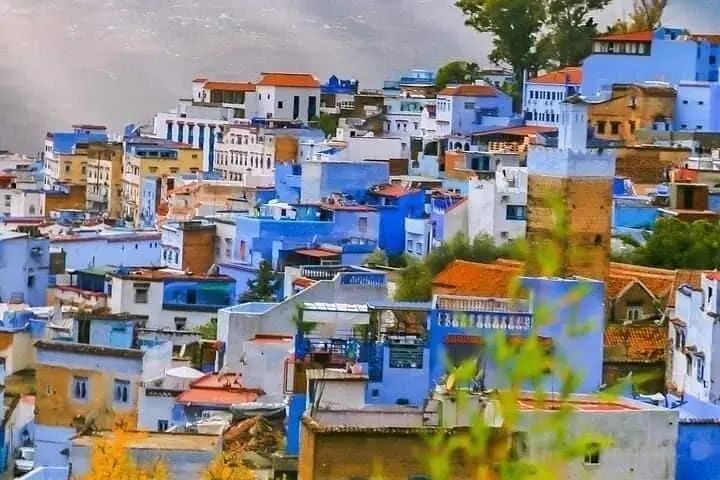
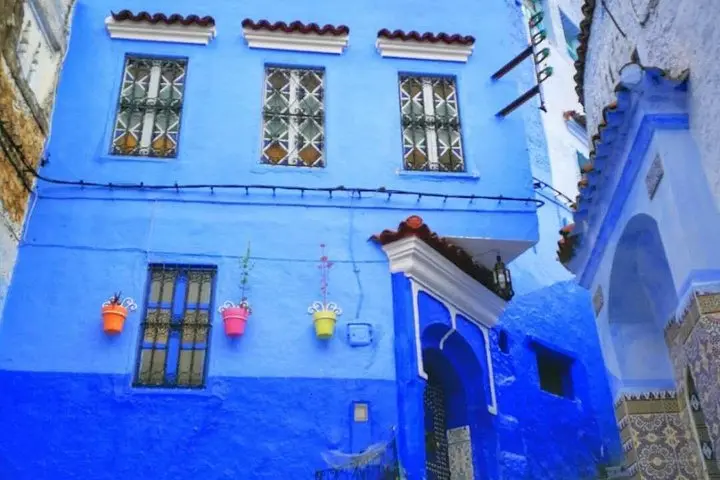
A pale sky brightens as the minibus eases out of Fes and the Rif Mountains begin to rise—green folds punctuated by rocky teeth. By the time Chefchaouen appears, its blue-washed houses climb the hillside like paint spilling down an amphitheater. The town’s narrow alleys smell of spices, fried pastries and cedar smoke; the mountain air nudges visitors toward viewpoints where sweeping valleys stretch toward the Mediterranean.
A pale sky brightens as the minibus eases out of Fes and the Rif Mountains begin to rise—green folds punctuated by rocky teeth. By the time Chefchaouen appears, its blue-washed houses climb the hillside like paint spilling down an amphitheater. The town’s narrow alleys smell of spices, fried pastries and cedar smoke; the mountain air nudges visitors toward viewpoints where sweeping valleys stretch toward the Mediterranean.
Chefchaouen grew around a 15th-century kasbah and later absorbed Andalusian and Jewish influences that shaped its architecture and the distinctive blue palette of the medina. Geologically, the Rif is younger and more folded than the Atlas, with limestone ridges that feed springs such as Ras El Maa just outside town. Culturally, Chefchaouen blends rural Amazigh (Berber) traditions with Spanish-era touches—expect handwoven textiles, small tanneries and local goat cheeses.
Practically, a day trip from Fes is a long but manageable outing: roughly 3.5–4 hours each way by car on paved roads, with a few hours to explore the medina, kasbah and Talassemtan forest. Wear sturdy shoes for cobbles and short, steep streets; bring water and sun protection—summer heat builds quickly and winter winds can bite at higher viewpoints. Guided private transport and hotel pickup simplify logistics and maximize time in town. Photographers should aim for morning or late afternoon light to capture the blues without harsh shadows. Travelers should respect local customs inside religious sites and carry small change for market purchases.
The trip balances easy walking with memorable vistas—a compact, sensory-rich slice of northern Morocco best enjoyed with a practical plan and a relaxed pace.