THE ADVENTURE COLLECTIVE® · Independent discovery and booking for outdoor travel

A compact three-day loop from Fez to Marrakech that packs cedar forests, dramatic gorges, UNESCO kasbahs and a camel-led night on the Erg Chebbi dunes. Read on for what to expect, local context, and practical tips to prepare for long drives and desert conditions.
A compact three-day loop from Fez to Marrakech that packs cedar forests, dramatic gorges, UNESCO kasbahs and a camel-led night on the Erg Chebbi dunes. Read on for what to expect, local context, and practical tips to prepare for long drives and desert conditions.
You wake before dawn in Fez, the medina’s early traffic already thinning as the van threads north toward the cedar forests of the Middle Atlas. By midmorning the road opens to rock and river-cut valleys; monkeys watch you pass in Azrou, and the Ziz Valley unfurls palm oases that feel like sudden green notes against ochre hills.
Verified experiences and guided adventures in the surrounding area.
Operated by Peaceful Morocco Travel · Merzouga, Drâa-Tafilalet
You wake before dawn in Fez, the medina’s early traffic already thinning as the van threads north toward the cedar forests of the Middle Atlas. By midmorning the road opens to rock and river-cut valleys; monkeys watch you pass in Azrou, and the Ziz Valley unfurls palm oases that feel like sudden green notes against ochre hills.
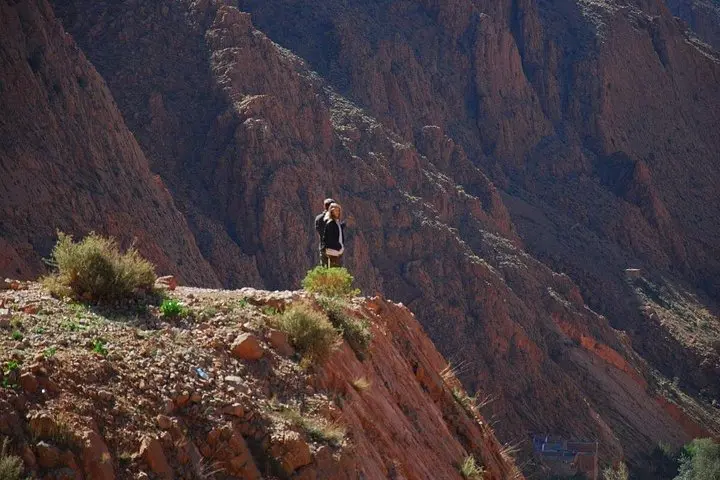
The route is a corridor through Morocco’s layered history: Middle Atlas geology of limestone and cedar, then the shifting sands of Erg Chebbi—dunes that rise to roughly 100–150 meters and move with the wind. Cultural waypoints matter here: nomad camps that host you for the night, Todra Gorge’s vertical canyons carved by flash floods, and the mud-brick enclosures of Ait Ben Haddou, a UNESCO kasbah that traces caravan routes to Marrakech.
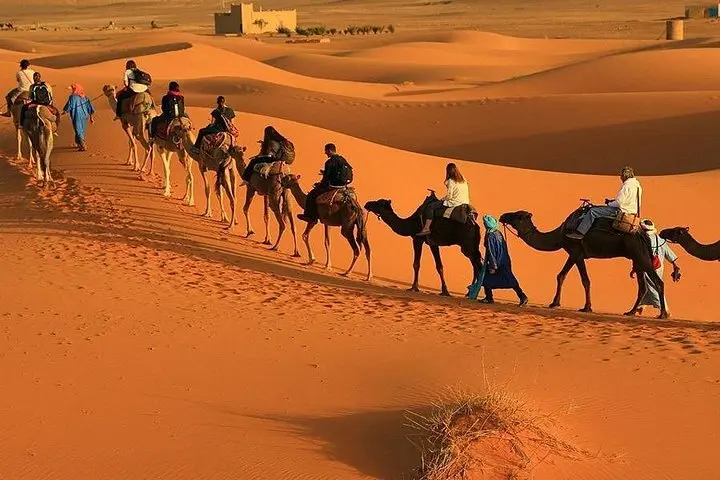
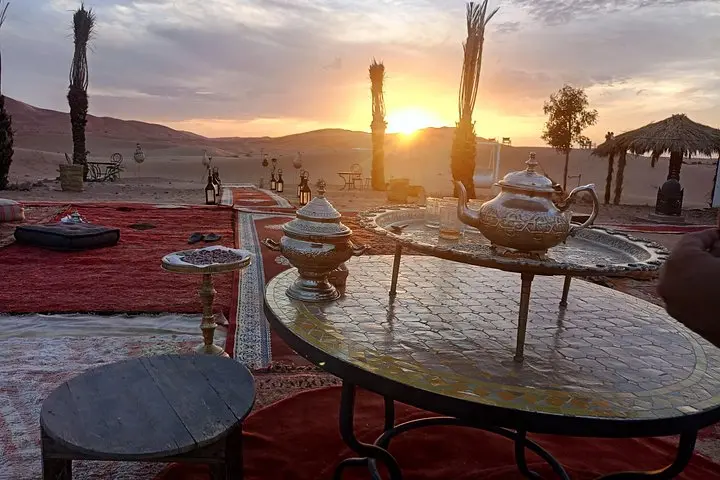
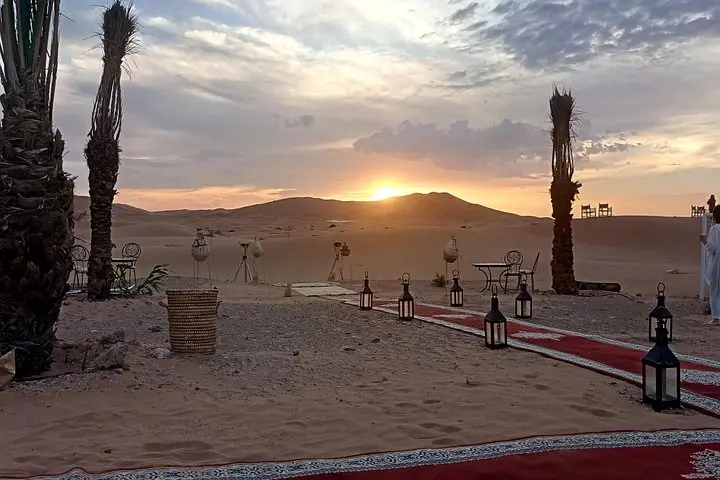
Expect long driving legs (typical day stages span several hundred kilometers with stops), a sunset camel trek across soft, wind-sculpted sand, and a night in a well-equipped Berber tent under an expansive sky. Terrain alternates between paved highways, rocky valley tracks, and loose sand; elevation changes are modest but daily hours in the vehicle and on camelback make this a travel-intensive itinerary.
Practical edge: carry sun protection and layered clothing—desert days heat quickly and nights cool sharply. Hydrate proactively and keep snacks for long road stretches. Time your dune walks for golden hours; sand shifts and light transform the landscape. With basic mobility and an appetite for varied landscapes, this three-day loop delivers a compact portrait of southern Morocco’s geology, culture, and desert rhythms.
Typical camel treks for sunset or sunrise last 1–2 hours, covering short distances across Erg Chebbi to reach the camp.
You’ll spend one night in a hotel and one in a well-equipped Berber camp with basic comforts—blankets, mattresses, and often communal facilities.
Yes—infants are allowed but must sit on an adult’s lap; discuss seating and safety with the operator at booking.
The tour is travel-intensive with uneven surfaces in gorges and dunes; those with limited mobility should consult the operator about accessibility and vehicle pick-up points.
Peaceful Morocco Travel operates guided outdoor trips and adventures with an emphasis on safety, stewardship, and memorable experiences.
You wake before dawn in Fez, the medina’s early traffic already thinning as the van threads north toward the cedar forests of the Middle Atlas. By midmorning the road opens to rock and river-cut valleys; monkeys watch you pass in Azrou, and the Ziz Valley unfurls palm oases that feel like sudden green notes against ochre hills.
You wake before dawn in Fez, the medina’s early traffic already thinning as the van threads north toward the cedar forests of the Middle Atlas. By midmorning the road opens to rock and river-cut valleys; monkeys watch you pass in Azrou, and the Ziz Valley unfurls palm oases that feel like sudden green notes against ochre hills.
The route is a corridor through Morocco’s layered history: Middle Atlas geology of limestone and cedar, then the shifting sands of Erg Chebbi—dunes that rise to roughly 100–150 meters and move with the wind. Cultural waypoints matter here: nomad camps that host you for the night, Todra Gorge’s vertical canyons carved by flash floods, and the mud-brick enclosures of Ait Ben Haddou, a UNESCO kasbah that traces caravan routes to Marrakech.
Expect long driving legs (typical day stages span several hundred kilometers with stops), a sunset camel trek across soft, wind-sculpted sand, and a night in a well-equipped Berber tent under an expansive sky. Terrain alternates between paved highways, rocky valley tracks, and loose sand; elevation changes are modest but daily hours in the vehicle and on camelback make this a travel-intensive itinerary.
Practical edge: carry sun protection and layered clothing—desert days heat quickly and nights cool sharply. Hydrate proactively and keep snacks for long road stretches. Time your dune walks for golden hours; sand shifts and light transform the landscape. With basic mobility and an appetite for varied landscapes, this three-day loop delivers a compact portrait of southern Morocco’s geology, culture, and desert rhythms.