THE ADVENTURE COLLECTIVE® · Independent discovery and booking for outdoor travel

Three days of Atlas passes, palm oases and Erg Chebbi dunes link Fez and Marrakech on an accessible desert circuit. Expect long drives, sunrise camel treks, star-filled camps, and visits to Todgha Gorge and Ait Ben Haddou.
Three days of Atlas passes, palm oases and Erg Chebbi dunes link Fez and Marrakech on an accessible desert circuit. Expect long drives, sunrise camel treks, star-filled camps, and visits to Todgha Gorge and Ait Ben Haddou.
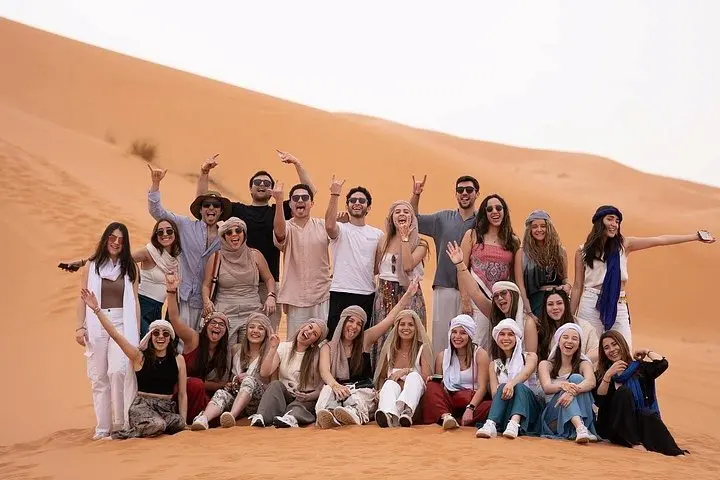
Dawn in Fez and the road unfurls: a silver ribbon through cedar forests, over the Tizi n’Tichka saddle, and down toward the palm-lined canyons that give way to the soft, living dunes of Erg Chebbi. The sun drags color across the sand as camels pick their path and the desert seems to breathe around you, exhaling a dry, mineral-scented air that carries night songs from the nomads’ tam-tam.
Verified experiences and guided adventures in the surrounding area.
Operated by Morocco Trip · Merzouga, Drâa-Tafilalet
Dawn in Fez and the road unfurls: a silver ribbon through cedar forests, over the Tizi n’Tichka saddle, and down toward the palm-lined canyons that give way to the soft, living dunes of Erg Chebbi. The sun drags color across the sand as camels pick their path and the desert seems to breathe around you, exhaling a dry, mineral-scented air that carries night songs from the nomads’ tam-tam.
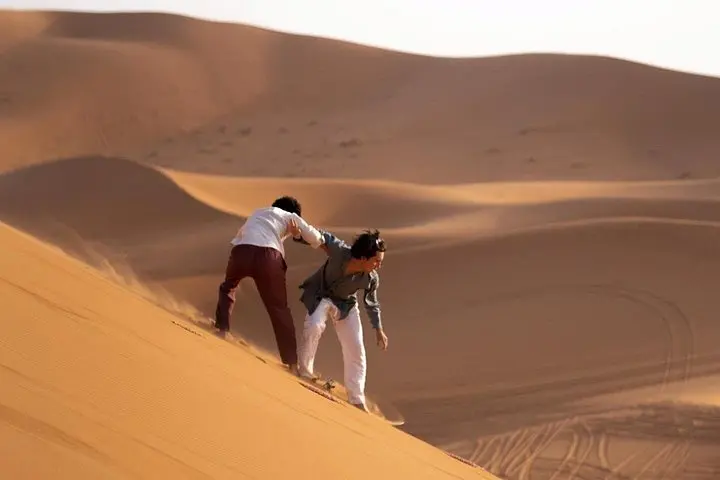
This route threads centuries of human and geological history. The Middle Atlas’s limestone and cedar stand in contrast to the wind-sculpted sands of the Sahara—dunes built from eroded Atlas rock and river-borne sediments that the wind keeps pushing into new shapes. Along the way fortified kasbahs and Berber villages mark old trade routes; Ait Ben Haddou, a UNESCO ksar, recalls the caravan economy that once moved spices and salt across these routes.
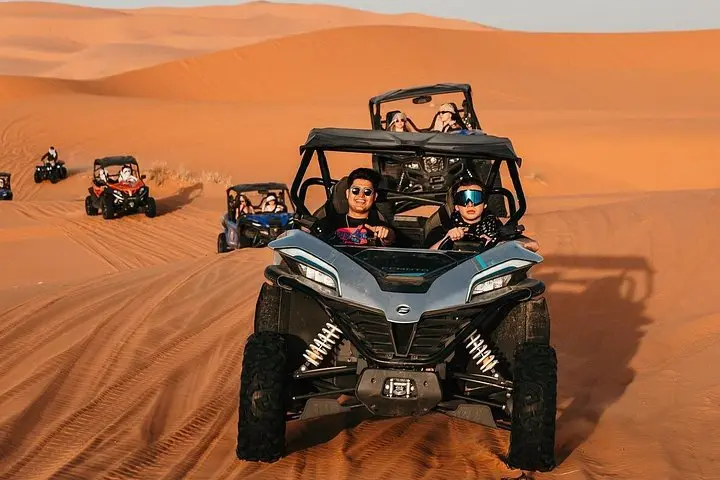
Expect long driving legs offset by memorable stops: Midelt for lunch, the Ziz Valley’s palm forests, sunrise and sunset camel treks at Merzouga, Todgha Gorge walks, and a nighttime bivouac under expansive stars. Practical notes: pack layered clothing for temperature swings, a strong pair of walking shoes for canyon trails, and at least 2–3 liters of water per day. Bring cash for small local fees, a headlamp for camp, and plan for early pick-ups in winter to reach Merzouga before sunset. The trip balances comfort (hotel nights and optional luxury tent upgrades) with raw desert immersion—ideal for travelers who want cinematic landscapes without technical climbing or backcountry navigation.
Expect several long driving legs—typical daily transfers range from 3–7 hours depending on stops; the schedule balances driving with photo and walking breaks.
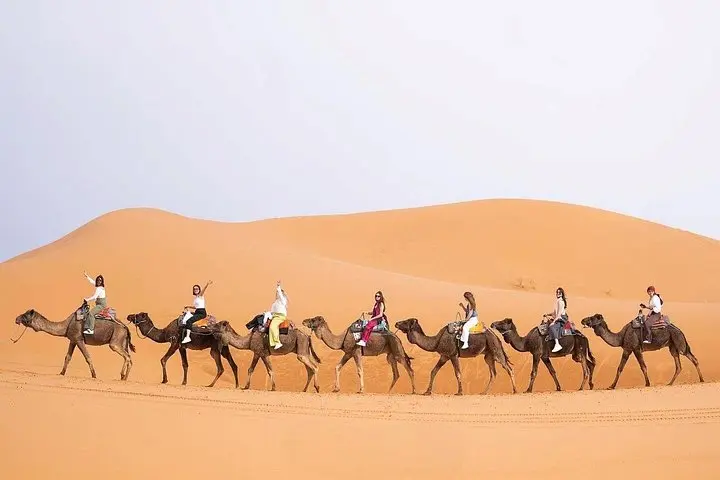
Camel treks are short (sunset/sunrise rides, 30–90 minutes); mounts are steady but can be bouncy—no special skill required, though mobility to mount/dismount is needed.
Yes—deluxe private tents with ensuite facilities are often offered as an upgrade; book in advance to secure availability and confirm the exact amenities and cost.
The tour is rated accessible for most ages, but long drives and sand mobility may be challenging; check with the operator about infant seats, and discuss any mobility limitations before booking.
Morocco Trip operates guided outdoor trips and adventures with an emphasis on safety, stewardship, and memorable experiences.
Dawn in Fez and the road unfurls: a silver ribbon through cedar forests, over the Tizi n’Tichka saddle, and down toward the palm-lined canyons that give way to the soft, living dunes of Erg Chebbi. The sun drags color across the sand as camels pick their path and the desert seems to breathe around you, exhaling a dry, mineral-scented air that carries night songs from the nomads’ tam-tam.
Dawn in Fez and the road unfurls: a silver ribbon through cedar forests, over the Tizi n’Tichka saddle, and down toward the palm-lined canyons that give way to the soft, living dunes of Erg Chebbi. The sun drags color across the sand as camels pick their path and the desert seems to breathe around you, exhaling a dry, mineral-scented air that carries night songs from the nomads’ tam-tam.
This route threads centuries of human and geological history. The Middle Atlas’s limestone and cedar stand in contrast to the wind-sculpted sands of the Sahara—dunes built from eroded Atlas rock and river-borne sediments that the wind keeps pushing into new shapes. Along the way fortified kasbahs and Berber villages mark old trade routes; Ait Ben Haddou, a UNESCO ksar, recalls the caravan economy that once moved spices and salt across these routes.
Expect long driving legs offset by memorable stops: Midelt for lunch, the Ziz Valley’s palm forests, sunrise and sunset camel treks at Merzouga, Todgha Gorge walks, and a nighttime bivouac under expansive stars. Practical notes: pack layered clothing for temperature swings, a strong pair of walking shoes for canyon trails, and at least 2–3 liters of water per day. Bring cash for small local fees, a headlamp for camp, and plan for early pick-ups in winter to reach Merzouga before sunset. The trip balances comfort (hotel nights and optional luxury tent upgrades) with raw desert immersion—ideal for travelers who want cinematic landscapes without technical climbing or backcountry navigation.