THE ADVENTURE COLLECTIVE® · Independent discovery and booking for outdoor travel

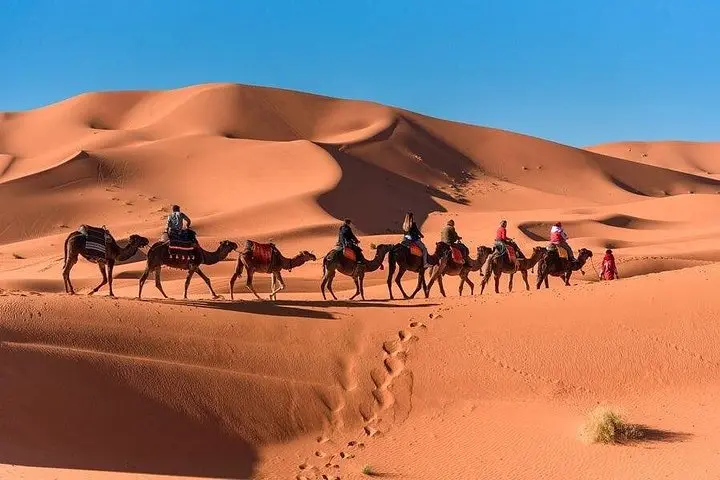
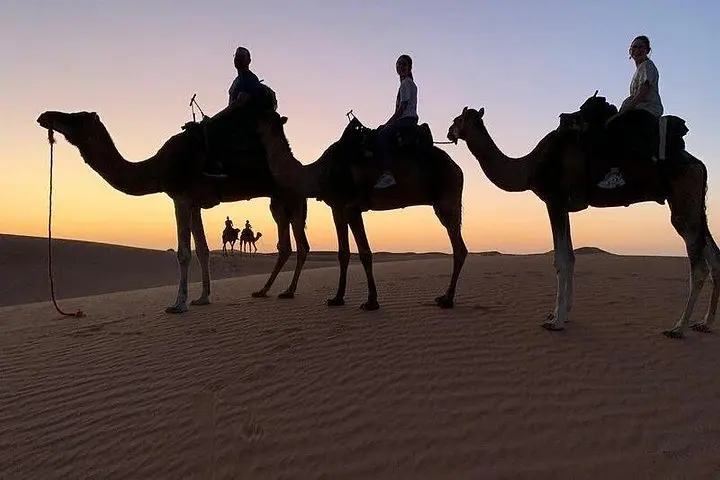
Traverse cedar forests, fossil-rich plains and the sweeping Erg Chebbi dunes on a compact three-day journey from Fes to Marrakech. Expect long scenic drives, a camel ride at sunset, sandboarding, and a night in a traditional desert camp.
Traverse cedar forests, fossil-rich plains and the sweeping Erg Chebbi dunes on a compact three-day journey from Fes to Marrakech. Expect long scenic drives, a camel ride at sunset, sandboarding, and a night in a traditional desert camp.
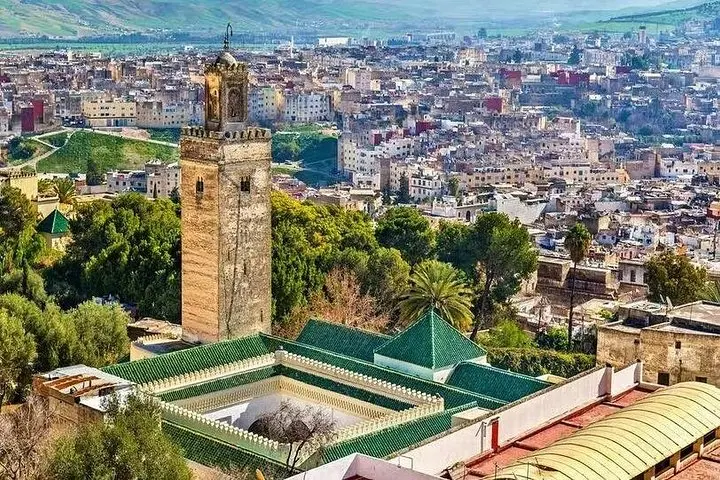
By dawn the road out of Fes loosens into high plateaus and cedar forests; by dusk the horizon is a drifting wall of sand that swallows the sun. The Shared 3-Day Fez to Marrakech Desert Tour threads that transition—mountain passes, fossil-strewn plains, and the towering orange crescents of Erg Chebbi near Merzouga—into a compact, exploration-first itinerary.
Verified experiences and guided adventures in the surrounding area.
Operated by Saharies · Merzouga, Errachidia Province
By dawn the road out of Fes loosens into high plateaus and cedar forests; by dusk the horizon is a drifting wall of sand that swallows the sun. The Shared 3-Day Fez to Marrakech Desert Tour threads that transition—mountain passes, fossil-strewn plains, and the towering orange crescents of Erg Chebbi near Merzouga—into a compact, exploration-first itinerary.
The route follows historic caravan corridors: Ifrane’s alpine architecture, Azrou’s Berber craft traditions, and Midelt’s fossil markets hint at a long trade history between Morocco’s interior and the Sahara. Geologically, the Erg Chebbi dunes are wind-built megadunes sitting on an ancient fluvial plain; their shape shifts seasonally, offering different textures for camel tracks and sandboarding runs. Cultural touchstones include Rissani’s market legacy and the Kasbah of Ait Ben Haddou, a fortified mud-brick village that anchors the region’s film and trade heritage.
Practical guidance: expect long drives—roughly 530 km total—broken by short hikes, viewpoints, and a camel trek timed for sunset and sunrise. Desert nights can drop sharply, so pack warm layers, sun protection, and a headscarf for sand. Wear closed shoes for dunes and bring a small daypack with water and snacks for longer stops. Accessibility varies—camp tents are basic and vehicle travel may be dusty; if you have back or mobility concerns, choose hotels over the nomadic tent option.
Timing matters: aim for spring or fall for mild temperatures; summer is very hot and winter nights are cold. This tour is best for travelers who want a concentrated taste of Morocco’s landscapes—history, geology, and hands-on desert time—without extended overland logistics.
Driving includes several long stretches—expect up to 8 hours on day one with stops, and shorter driving days two and three as you move between merzouga, Dades, and the High Atlas.
Yes—camel rides are included for sunset and sunrise dune crossings; each ride typically lasts 45–90 minutes depending on the camp itinerary.
Accommodation ranges from basic nomadic tents to simple desert camps; one night is typically spent in a traditional tent or under the stars, with hotel nights en route.
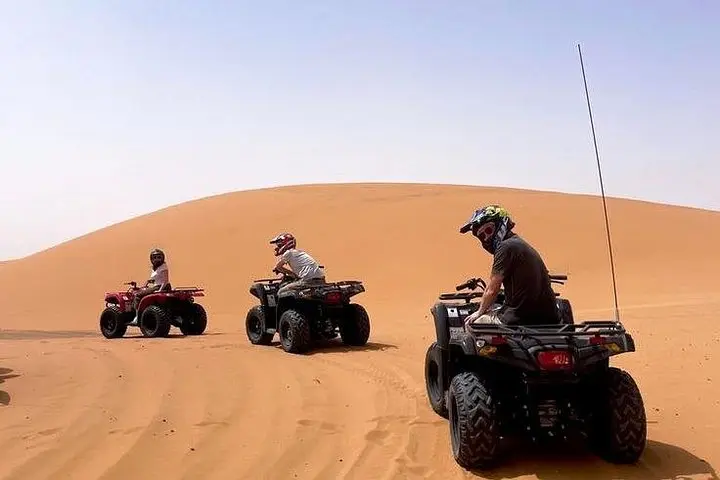
Children can participate, but there are age rules for quads; travelers with significant mobility or spinal issues should avoid camel riding and request alternative arrangements.
Saharies operates guided outdoor trips and adventures with an emphasis on safety, stewardship, and memorable experiences.
By dawn the road out of Fes loosens into high plateaus and cedar forests; by dusk the horizon is a drifting wall of sand that swallows the sun. The Shared 3-Day Fez to Marrakech Desert Tour threads that transition—mountain passes, fossil-strewn plains, and the towering orange crescents of Erg Chebbi near Merzouga—into a compact, exploration-first itinerary.
By dawn the road out of Fes loosens into high plateaus and cedar forests; by dusk the horizon is a drifting wall of sand that swallows the sun. The Shared 3-Day Fez to Marrakech Desert Tour threads that transition—mountain passes, fossil-strewn plains, and the towering orange crescents of Erg Chebbi near Merzouga—into a compact, exploration-first itinerary.
The route follows historic caravan corridors: Ifrane’s alpine architecture, Azrou’s Berber craft traditions, and Midelt’s fossil markets hint at a long trade history between Morocco’s interior and the Sahara. Geologically, the Erg Chebbi dunes are wind-built megadunes sitting on an ancient fluvial plain; their shape shifts seasonally, offering different textures for camel tracks and sandboarding runs. Cultural touchstones include Rissani’s market legacy and the Kasbah of Ait Ben Haddou, a fortified mud-brick village that anchors the region’s film and trade heritage.
Practical guidance: expect long drives—roughly 530 km total—broken by short hikes, viewpoints, and a camel trek timed for sunset and sunrise. Desert nights can drop sharply, so pack warm layers, sun protection, and a headscarf for sand. Wear closed shoes for dunes and bring a small daypack with water and snacks for longer stops. Accessibility varies—camp tents are basic and vehicle travel may be dusty; if you have back or mobility concerns, choose hotels over the nomadic tent option.
Timing matters: aim for spring or fall for mild temperatures; summer is very hot and winter nights are cold. This tour is best for travelers who want a concentrated taste of Morocco’s landscapes—history, geology, and hands-on desert time—without extended overland logistics.