THE ADVENTURE COLLECTIVE® · Independent discovery and booking for outdoor travel

Cross the High Atlas from Fez to Marrakech in 48 hours, ending with a sunset camel trek and an overnight Berber camp in Merzouga’s dunes. This compact desert itinerary pairs road-side scenery with a hands-on desert stay.
Cross the High Atlas from Fez to Marrakech in 48 hours, ending with a sunset camel trek and an overnight Berber camp in Merzouga’s dunes. This compact desert itinerary pairs road-side scenery with a hands-on desert stay.
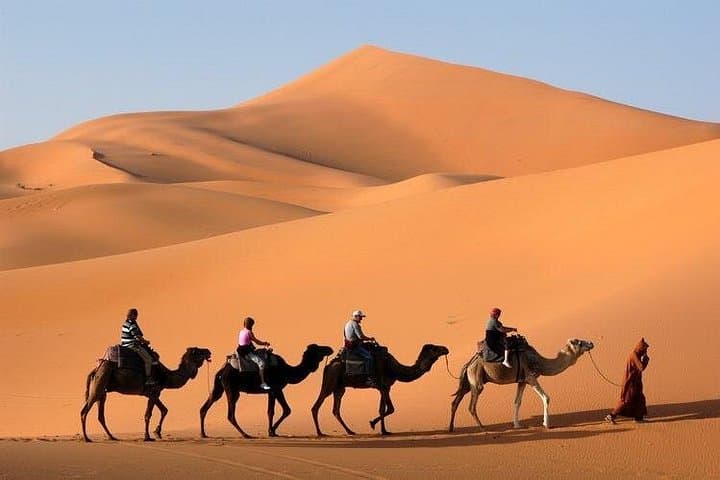
First light over the Atlas tosses long shadows across the road as the minivan leaves Fez. Cedars and red-earth villages blur past; by mid-afternoon the dunes of Merzouga appear on the horizon like a living wall, wind already shaping ridges that seem to breathe. A local camel guide waits to load your saddle; the caravan moves off at the slow, steady gait that makes the desert readable—each footfall translating the landscape into pace and presence.
Verified experiences and guided adventures in the surrounding area.
Operated by Morocco Fez Tours · Merzouga, Drâa-Tafilalet
First light over the Atlas tosses long shadows across the road as the minivan leaves Fez. Cedars and red-earth villages blur past; by mid-afternoon the dunes of Merzouga appear on the horizon like a living wall, wind already shaping ridges that seem to breathe. A local camel guide waits to load your saddle; the caravan moves off at the slow, steady gait that makes the desert readable—each footfall translating the landscape into pace and presence.
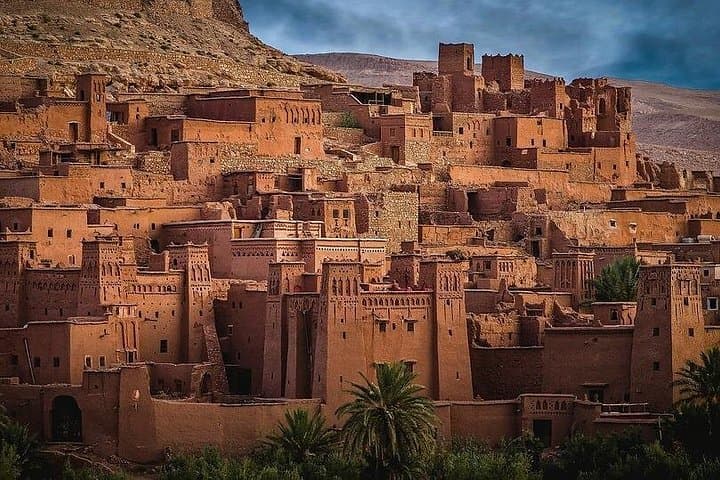
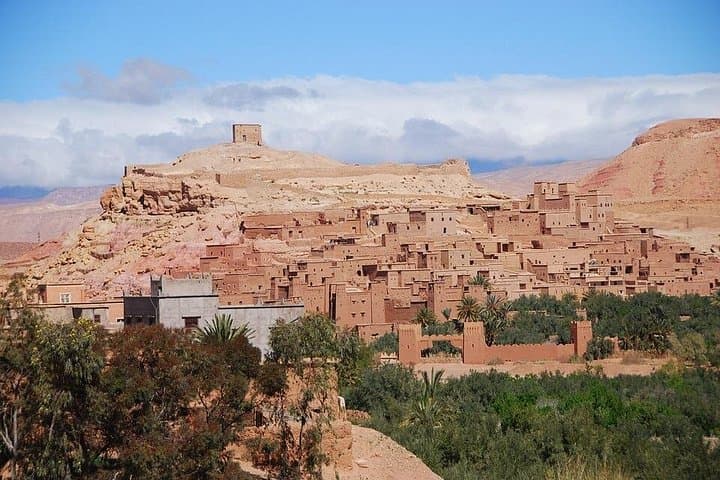
This route follows ancient caravan corridors and modern roads through Ifrane’s alpine architecture, the cedar forests at Azrou, Midelt’s apple-growing terraces, and the palm-lined Ziz Valley before meeting Erg Chebbi’s ochre dunes. Geologically the Sahara here is recent—sands piled by Sahara winds against older rock and alluvial fans—while culturally the track threads Amazigh (Berber) villages, ksar architecture and roadside markets in Rissani where trading routes still hum.
Practicalities are straightforward: one night under a Berber tent with a communal dinner and music, sunrise and sunset camel rides, and long driving segments between sites. Expect long stretches in an air-conditioned vehicle, short hikes at viewpoints, and basic desert-camp amenities. Hydrate before and during travel, wear layered sun protection, and give yourself time to mount and dismount camels—especially at dawn or dusk when sand is coolest.
Timing your trip for shoulder seasons eases extremes—spring and fall offer kinder temperatures—while summer brings intense heat best handled with early starts and extra water. The experience balances motion and stillness: open road, then the patient pull of the camel and a sky that keeps you awake with stars.
A traditional dinner is included at the desert camp and breakfast the following morning; lunch stops are at local restaurants and usually at your own expense as noted in the itinerary.
Tents are standard Berber-style desert tents—basic but clean—with shared facilities; inquire about upgraded options if you need private facilities.
Yes—larger luggage stays in the vehicle or at the hotel; bring a small daypack for items you need on the ride.
Camel rides are generally suitable for older children but not recommended for pregnant travelers or those with serious back problems—check with the operator before booking.
Morocco Fez Tours operates guided outdoor trips and adventures with an emphasis on safety, stewardship, and memorable experiences.
First light over the Atlas tosses long shadows across the road as the minivan leaves Fez. Cedars and red-earth villages blur past; by mid-afternoon the dunes of Merzouga appear on the horizon like a living wall, wind already shaping ridges that seem to breathe. A local camel guide waits to load your saddle; the caravan moves off at the slow, steady gait that makes the desert readable—each footfall translating the landscape into pace and presence.
First light over the Atlas tosses long shadows across the road as the minivan leaves Fez. Cedars and red-earth villages blur past; by mid-afternoon the dunes of Merzouga appear on the horizon like a living wall, wind already shaping ridges that seem to breathe. A local camel guide waits to load your saddle; the caravan moves off at the slow, steady gait that makes the desert readable—each footfall translating the landscape into pace and presence.
This route follows ancient caravan corridors and modern roads through Ifrane’s alpine architecture, the cedar forests at Azrou, Midelt’s apple-growing terraces, and the palm-lined Ziz Valley before meeting Erg Chebbi’s ochre dunes. Geologically the Sahara here is recent—sands piled by Sahara winds against older rock and alluvial fans—while culturally the track threads Amazigh (Berber) villages, ksar architecture and roadside markets in Rissani where trading routes still hum.
Practicalities are straightforward: one night under a Berber tent with a communal dinner and music, sunrise and sunset camel rides, and long driving segments between sites. Expect long stretches in an air-conditioned vehicle, short hikes at viewpoints, and basic desert-camp amenities. Hydrate before and during travel, wear layered sun protection, and give yourself time to mount and dismount camels—especially at dawn or dusk when sand is coolest.
Timing your trip for shoulder seasons eases extremes—spring and fall offer kinder temperatures—while summer brings intense heat best handled with early starts and extra water. The experience balances motion and stillness: open road, then the patient pull of the camel and a sky that keeps you awake with stars.