THE ADVENTURE COLLECTIVE® · Independent discovery and booking for outdoor travel

Drive from Fez across the High Atlas into the palm-scrolled valleys of Ziz, sleep under the dunes at Merzouga, and walk the sheer walls of Todra Gorges. This four-day circuit compresses Morocco’s mountains, desert, and kasbah history into a compact, adventure-packed route.
Drive from Fez across the High Atlas into the palm-scrolled valleys of Ziz, sleep under the dunes at Merzouga, and walk the sheer walls of Todra Gorges. This four-day circuit compresses Morocco’s mountains, desert, and kasbah history into a compact, adventure-packed route.
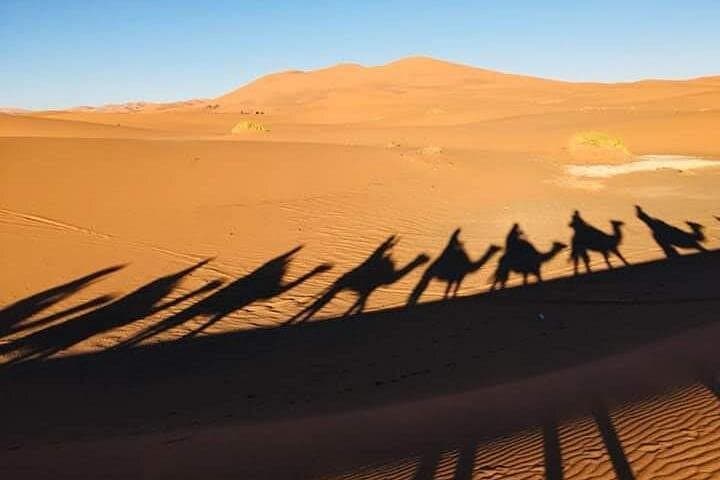
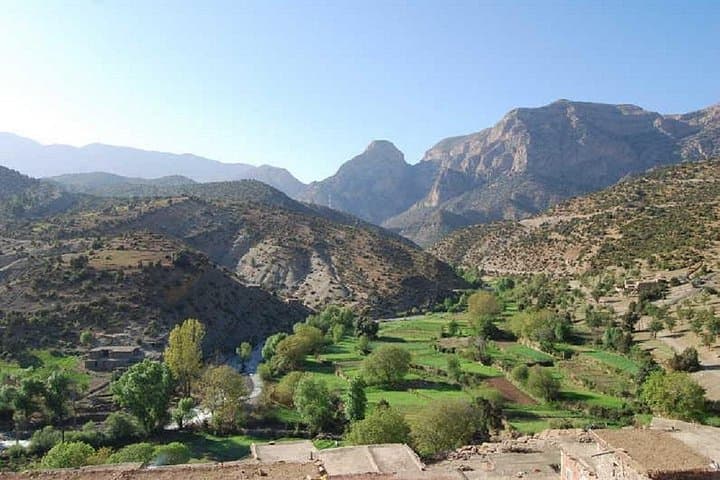
You leave Fez before dawn and the city’s labyrinth slowly shrinks behind the bus window: cedar forests climb, the road cuts switchbacks over the High Atlas, then the land opens into palm-fringed valleys and a sweep of ochre dunes. By late afternoon the Erg Chebbi ridgeline catches the light; camels silhouette against a sky that turns molten at sunset.
Verified experiences and guided adventures in the surrounding area.
Operated by Medina Social Club Restaurant · Fez, Fès-Meknès
You leave Fez before dawn and the city’s labyrinth slowly shrinks behind the bus window: cedar forests climb, the road cuts switchbacks over the High Atlas, then the land opens into palm-fringed valleys and a sweep of ochre dunes. By late afternoon the Erg Chebbi ridgeline catches the light; camels silhouette against a sky that turns molten at sunset.
This loop travels Moroccan history and geology in concentrated form. The High Atlas are young folded mountains pushed up by African-Eurasian plate collision; Kasbahs like Aït Ben Haddou stand where mudbrick architecture met caravan trade routes linking Marrakech to the Sahara. Todra Gorges slices limestone into narrow, vertical canyons carved by seasonal rivers — a dramatic contrast to the soft, wind-scoured dunes at Merzouga.
Culturally the route crosses Amazigh (Berber) villages and palm oases where market life and kasbah ruins give a clear sense of regional continuity. Expect nights in simple desert camps under stark skies, and a mix of paved driving and short walks through gorges and oasis tracks.
Practical notes: the itinerary includes long driving days — plan for 4–8 hours on the road with stops — and moderate temperature swings from high passes (possible snow in winter) to hot desert days. Bring layered clothing, sun protection, plenty of water, and sturdy shoes for canyon scrambling and dune walks. Sunrise or sunset at the dunes is the highlight; schedule quiet time then and carry cash for small local purchases. Pregnant travelers should avoid this trip due to remote overnight conditions and long drives.
Most departures begin in Fez and the route finishes in Marrakesh, with staged transfers and an overnight stay in Merzouga and visits to Todra Gorges and Aït Ben Haddou.
Yes—overnights are typically in basic desert camps with mattress bedding and shared facilities; options may vary between traditional bivouacs and more appointed camps.
Yes—this itinerary includes extended driving days (commonly 4–8 hours) across the Atlas and between oasis towns; be prepared for sustained road time with scenic stops.
This trip is not recommended for pregnant travelers due to remote overnight conditions and long drives; infants can travel but may need to sit on laps and parents should check available infant seats.
Medina Social Club Restaurant operates guided outdoor trips and adventures with an emphasis on safety, stewardship, and memorable experiences.


You leave Fez before dawn and the city’s labyrinth slowly shrinks behind the bus window: cedar forests climb, the road cuts switchbacks over the High Atlas, then the land opens into palm-fringed valleys and a sweep of ochre dunes. By late afternoon the Erg Chebbi ridgeline catches the light; camels silhouette against a sky that turns molten at sunset.
You leave Fez before dawn and the city’s labyrinth slowly shrinks behind the bus window: cedar forests climb, the road cuts switchbacks over the High Atlas, then the land opens into palm-fringed valleys and a sweep of ochre dunes. By late afternoon the Erg Chebbi ridgeline catches the light; camels silhouette against a sky that turns molten at sunset.
This loop travels Moroccan history and geology in concentrated form. The High Atlas are young folded mountains pushed up by African-Eurasian plate collision; Kasbahs like Aït Ben Haddou stand where mudbrick architecture met caravan trade routes linking Marrakech to the Sahara. Todra Gorges slices limestone into narrow, vertical canyons carved by seasonal rivers — a dramatic contrast to the soft, wind-scoured dunes at Merzouga.
Culturally the route crosses Amazigh (Berber) villages and palm oases where market life and kasbah ruins give a clear sense of regional continuity. Expect nights in simple desert camps under stark skies, and a mix of paved driving and short walks through gorges and oasis tracks.
Practical notes: the itinerary includes long driving days — plan for 4–8 hours on the road with stops — and moderate temperature swings from high passes (possible snow in winter) to hot desert days. Bring layered clothing, sun protection, plenty of water, and sturdy shoes for canyon scrambling and dune walks. Sunrise or sunset at the dunes is the highlight; schedule quiet time then and carry cash for small local purchases. Pregnant travelers should avoid this trip due to remote overnight conditions and long drives.