THE ADVENTURE COLLECTIVE® · Independent discovery and booking for outdoor travel

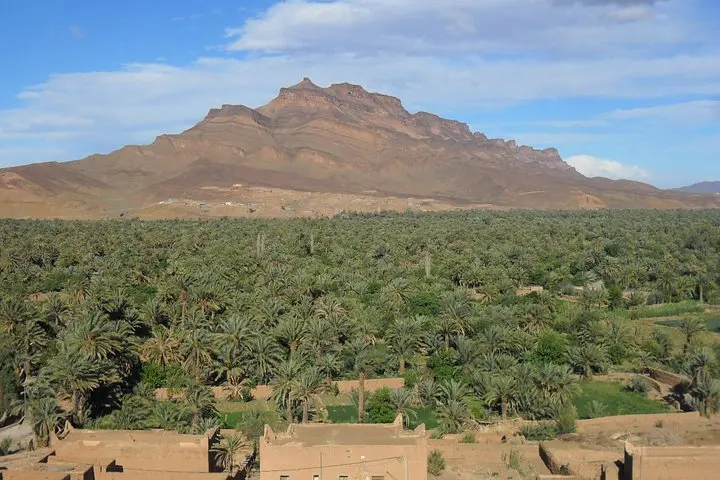
Drive out of Fez and into the vast sweep of Erg Chebbi over two days: dune climbs at sunset and sunrise, a night in a private desert tent with Gnawa music, and scenic stops through the Ziz Valley. Practical tips on timing, gear and local culture help you prepare.
Drive out of Fez and into the vast sweep of Erg Chebbi over two days: dune climbs at sunset and sunrise, a night in a private desert tent with Gnawa music, and scenic stops through the Ziz Valley. Practical tips on timing, gear and local culture help you prepare.
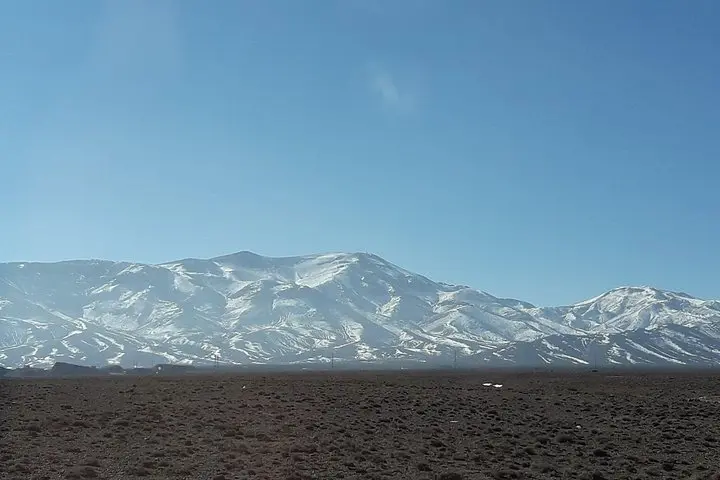
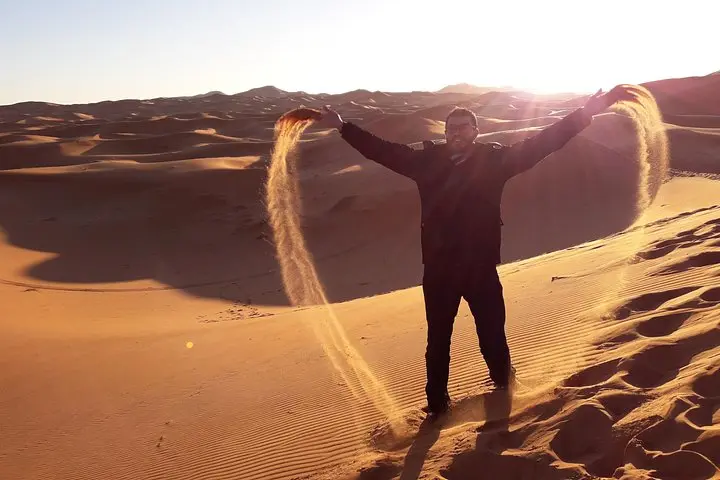
The road leaves Fez before dawn, climbing through cedar forests and the folded ridges of the Middle Atlas until the last asphalt yields to a corridor of ochre and windblown sand. By late afternoon the dunes of Erg Chebbi rise like a living sea; you climb a crest and the desert pushes you forward, every ridge a new line of horizon.
Verified experiences and guided adventures in the surrounding area.
Operated by Morocco Fez Desert Tours · Merzouga, Errachidia Province
The road leaves Fez before dawn, climbing through cedar forests and the folded ridges of the Middle Atlas until the last asphalt yields to a corridor of ochre and windblown sand. By late afternoon the dunes of Erg Chebbi rise like a living sea; you climb a crest and the desert pushes you forward, every ridge a new line of horizon.
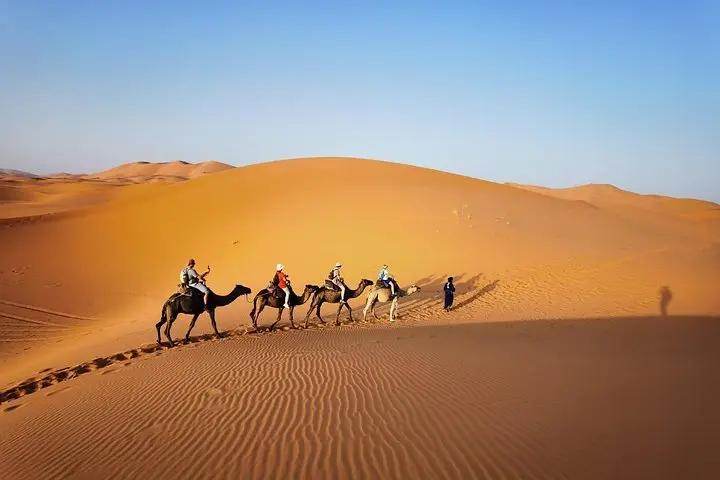
This two-day loop follows old trans-Saharan routes once traveled by Amazigh traders and salt caravans; the dunes themselves are recent sculptures — wind-driven sand piled against resistant regs and bedrock. Culture here is immediate: Berber and Gnawa music at a desert camp, tea poured low and sweet, and the camel caravan still the most honest way to cross a dune crest.
Expect wide, open skies, sharp light at sunset and sunrise, and a cool drop after dark. Nights in private desert tents include a simple dinner and live Gnawa rhythms beneath a generous starfield.
Practical guidance: travel time is long — plan for 8–10 hours of driving total with staggered stops at Ifrane, Midelt, Erfoud and the Ziz Valley. Bring layered clothing for hot days and cold nights, a high-SPF sunscreen and a 1–2L reusable water bottle. Footwear should be sturdy and breathable for sandy slopes. Photography at sunrise and sunset is best; respect local privacy when photographing people.
Comfortable for most travelers, the tour pairs easy walking on dunes with an overnight camping experience. Stay aware of responsible tourism practices: minimize waste, support local guides and avoid walking on fragile vegetated interdunes.
Dune climbs are short but can be steep; expect 10–30 minute climbs over soft sand—pace yourself and use trekking poles if you prefer.
Yes — the itinerary typically includes a short camel trek to and from the camp for sunset or sunrise; rides are guided and suitable for beginners.
Accommodation is in private desert tents with basic bedding, dinner and breakfast provided; there are shared washing facilities and usually an opportunity for a warm shower at larger stops.
No special vaccinations are required beyond routine ones; bring any personal medications, sun protection and inform the operator of mobility limits or allergies ahead of time.
Morocco Fez Desert Tours operates guided outdoor trips and adventures with an emphasis on safety, stewardship, and memorable experiences.
The road leaves Fez before dawn, climbing through cedar forests and the folded ridges of the Middle Atlas until the last asphalt yields to a corridor of ochre and windblown sand. By late afternoon the dunes of Erg Chebbi rise like a living sea; you climb a crest and the desert pushes you forward, every ridge a new line of horizon.
The road leaves Fez before dawn, climbing through cedar forests and the folded ridges of the Middle Atlas until the last asphalt yields to a corridor of ochre and windblown sand. By late afternoon the dunes of Erg Chebbi rise like a living sea; you climb a crest and the desert pushes you forward, every ridge a new line of horizon.
This two-day loop follows old trans-Saharan routes once traveled by Amazigh traders and salt caravans; the dunes themselves are recent sculptures — wind-driven sand piled against resistant regs and bedrock. Culture here is immediate: Berber and Gnawa music at a desert camp, tea poured low and sweet, and the camel caravan still the most honest way to cross a dune crest.
Expect wide, open skies, sharp light at sunset and sunrise, and a cool drop after dark. Nights in private desert tents include a simple dinner and live Gnawa rhythms beneath a generous starfield.
Practical guidance: travel time is long — plan for 8–10 hours of driving total with staggered stops at Ifrane, Midelt, Erfoud and the Ziz Valley. Bring layered clothing for hot days and cold nights, a high-SPF sunscreen and a 1–2L reusable water bottle. Footwear should be sturdy and breathable for sandy slopes. Photography at sunrise and sunset is best; respect local privacy when photographing people.
Comfortable for most travelers, the tour pairs easy walking on dunes with an overnight camping experience. Stay aware of responsible tourism practices: minimize waste, support local guides and avoid walking on fragile vegetated interdunes.