THE ADVENTURE COLLECTIVE® · Independent discovery and booking for outdoor travel

Three days from Fez to the Erg Chebbi dunes combine Atlas crossings, fossil-rich plains and a private overnight in a desert camp. Expect long drives, a camel trek at sunset, and close-up encounters with Berber culture.
Three days from Fez to the Erg Chebbi dunes combine Atlas crossings, fossil-rich plains and a private overnight in a desert camp. Expect long drives, a camel trek at sunset, and close-up encounters with Berber culture.
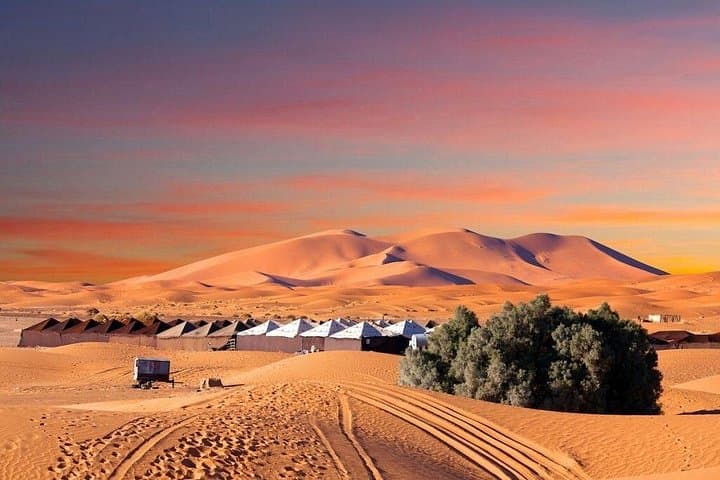
The road out of Fez yawns open before dawn—olive groves give way to ochre kasbahs and the High Atlas folds into the distance. By midday the landscape tightens: narrow passes, roadside villages, and a silence that expands as the vehicle drops into the eastern plains. On arrival at Merzouga, the dunes of Erg Chebbi rise like a living sea; sunrise and sunset paint their ridges in hard gold and soft mauve.
Verified experiences and guided adventures in the surrounding area.
Operated by Morocco discover tours · Merzouga, Drâa-Tafilalet
The road out of Fez yawns open before dawn—olive groves give way to ochre kasbahs and the High Atlas folds into the distance. By midday the landscape tightens: narrow passes, roadside villages, and a silence that expands as the vehicle drops into the eastern plains. On arrival at Merzouga, the dunes of Erg Chebbi rise like a living sea; sunrise and sunset paint their ridges in hard gold and soft mauve.
This three-day private tour threads cultural history with desert geology. The Erg Chebbi dunes are wind-built sand waves on a former lakebed; nearby Erfoud’s fossil beds record a time when the Sahara was under shallow seas. Stops include Erfoud’s Fossil Museum and the kasbah town of Rissani, both tied to trans-Saharan caravan routes and local Berber life.
Expect practical rhythms: long, comfortable 4×4 transfers across varied tarmac and rougher desert approaches; a guided camel ride to a private bivouac; and a night under a traditional nomad-style tent where temperatures swing sharply. Interactions with local guides offer insight into pastoral livelihoods, saffron agriculture nearby, and dune ecology.
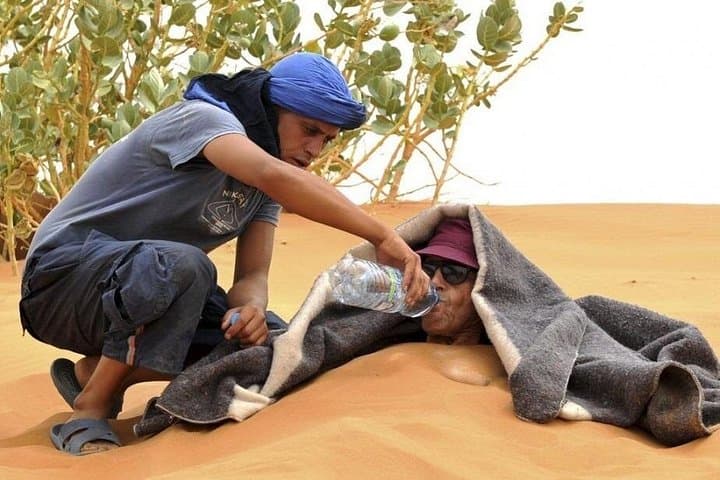
Plan for dehydration and sun exposure—carry extra water, sun layers, and closed shoes for walking on hot sand. Time photography for hour-long windows at dawn and dusk. If you’re sensitive to long drives, request more stops along the Atlas. The trip is low-technical but high on sensory contrast: wind that reshapes dunes, silence that feels intentional, and hospitality that keeps the itinerary human and flexible.
Camel rides to the overnight bivouac typically last 45–90 minutes depending on the camp location and group pace.
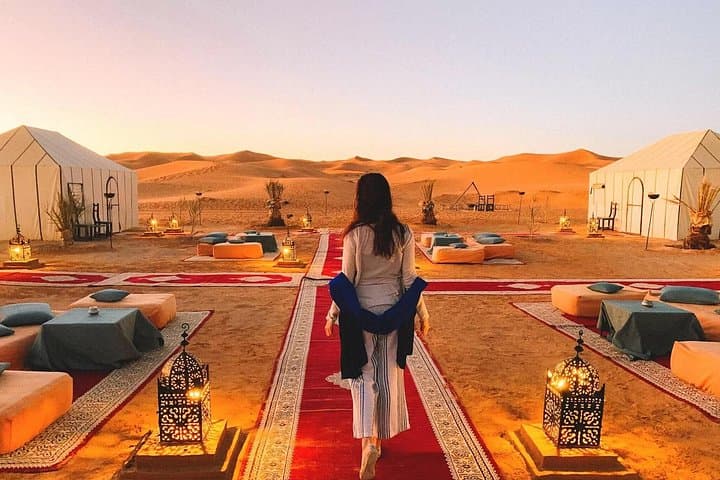
Private desert camps use canvas tents with mattresses and blankets; facilities range from basic to upgraded—ask the operator about family-friendly bedding and toilet arrangements.
Many road transfers and sites are accessible, but getting on/off camels and walking on sand require mobility; inform the operator to arrange alternatives where possible.
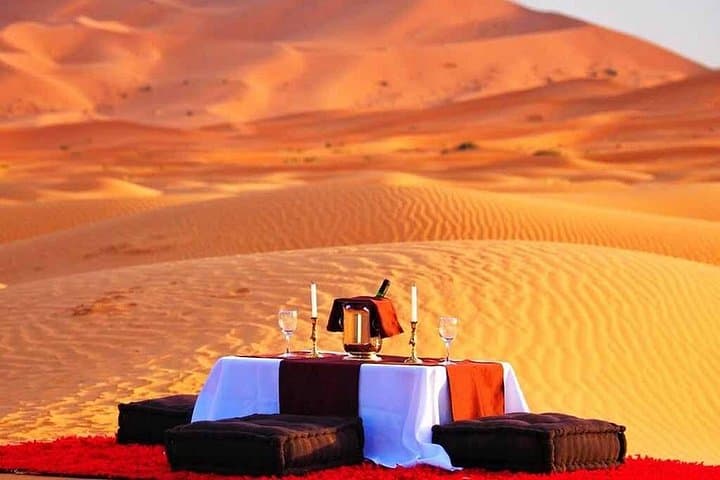
Plan for the hour after sunrise and the hour before sunset when light is warm and shadows define the dune contours.
Morocco discover tours operates guided outdoor trips and adventures with an emphasis on safety, stewardship, and memorable experiences.
The road out of Fez yawns open before dawn—olive groves give way to ochre kasbahs and the High Atlas folds into the distance. By midday the landscape tightens: narrow passes, roadside villages, and a silence that expands as the vehicle drops into the eastern plains. On arrival at Merzouga, the dunes of Erg Chebbi rise like a living sea; sunrise and sunset paint their ridges in hard gold and soft mauve.
The road out of Fez yawns open before dawn—olive groves give way to ochre kasbahs and the High Atlas folds into the distance. By midday the landscape tightens: narrow passes, roadside villages, and a silence that expands as the vehicle drops into the eastern plains. On arrival at Merzouga, the dunes of Erg Chebbi rise like a living sea; sunrise and sunset paint their ridges in hard gold and soft mauve.
This three-day private tour threads cultural history with desert geology. The Erg Chebbi dunes are wind-built sand waves on a former lakebed; nearby Erfoud’s fossil beds record a time when the Sahara was under shallow seas. Stops include Erfoud’s Fossil Museum and the kasbah town of Rissani, both tied to trans-Saharan caravan routes and local Berber life.
Expect practical rhythms: long, comfortable 4×4 transfers across varied tarmac and rougher desert approaches; a guided camel ride to a private bivouac; and a night under a traditional nomad-style tent where temperatures swing sharply. Interactions with local guides offer insight into pastoral livelihoods, saffron agriculture nearby, and dune ecology.
Plan for dehydration and sun exposure—carry extra water, sun layers, and closed shoes for walking on hot sand. Time photography for hour-long windows at dawn and dusk. If you’re sensitive to long drives, request more stops along the Atlas. The trip is low-technical but high on sensory contrast: wind that reshapes dunes, silence that feels intentional, and hospitality that keeps the itinerary human and flexible.