THE ADVENTURE COLLECTIVE® · Independent discovery and booking for outdoor travel

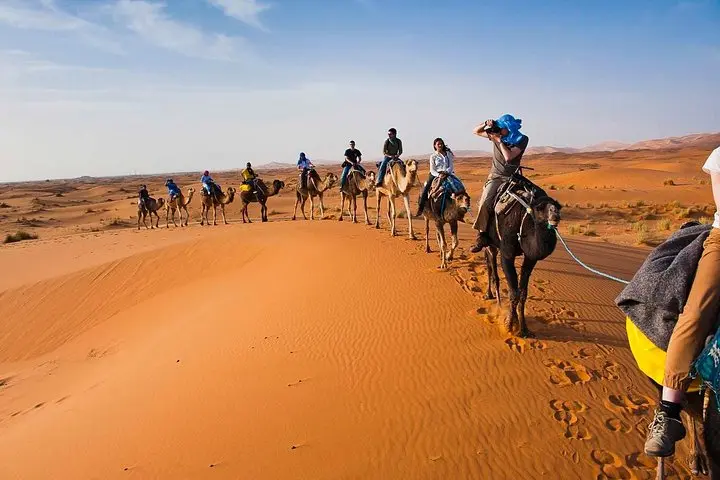
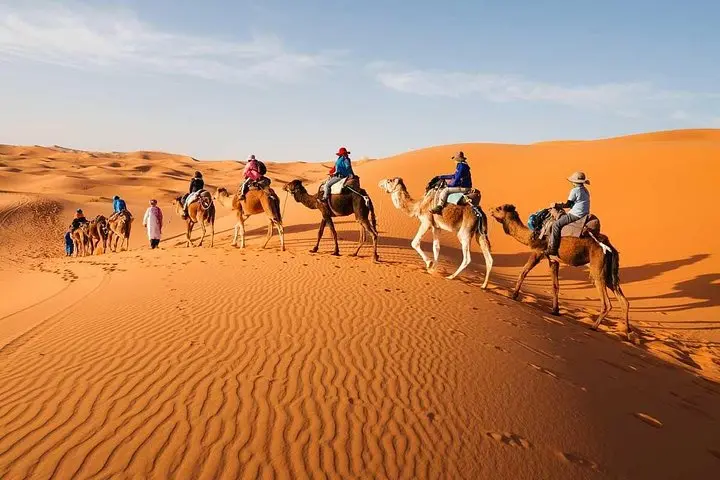
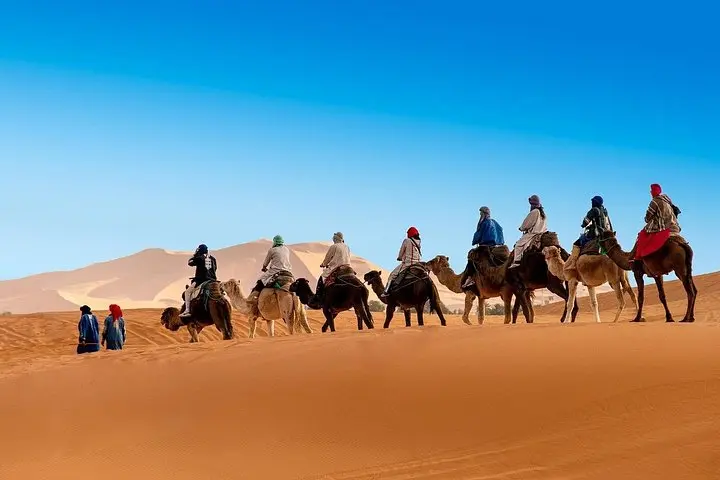
Three days from Fez to the Erg Chebbi dunes, this shared tour blends long drives through the Middle Atlas with sunset camel treks and a night in a Berber camp. Expect palm-filled valleys, Gnawa music in Khamlia, and a starry desert sleep—accessible to most fitness levels.
Three days from Fez to the Erg Chebbi dunes, this shared tour blends long drives through the Middle Atlas with sunset camel treks and a night in a Berber camp. Expect palm-filled valleys, Gnawa music in Khamlia, and a starry desert sleep—accessible to most fitness levels.
Dawn lifts over the red-tinted roofs of Fez and the van pulls away, wheels tracing the atlas foothills as cedar forest and ochre rock slide past the windows.
Verified experiences and guided adventures in the surrounding area.
Operated by Group Morocco Travel · Merzouga, Errachidia Province
Dawn lifts over the red-tinted roofs of Fez and the van pulls away, wheels tracing the atlas foothills as cedar forest and ochre rock slide past the windows.
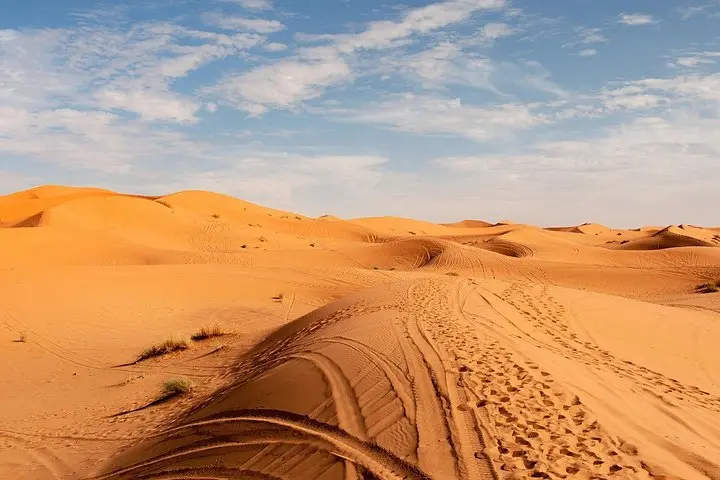
By mid-afternoon you’re rolling through Ziz Valley’s palm groves, the light sharpening on an ancient irrigation ribbon; by evening the open plain of Merzouga and the first silhouettes of Erg Chebbi rise like a promise. The tour threads history—Alaouite-era towns, ksar ruins and caravan routes—into the modern rhythm of Berber hospitality. Geology here is hand-sized and vast: wind-sculpted dunes of fine sand sit atop layers of older alluvium and fossil-bearing limestone, punctuated by black volcanic outcrops used by locals for centuries.
Culturally, the trip is as much about encounters as views: a stop in Khamlia offers Gnawa music, elders sharing rhythms that once bridged Sahara trade routes, while local guides explain nomadic survival strategies—water sourcing, seasonal migrations, and tent construction.
Practically: expect long drives on paved and secondary roads, a 45–60 minute camel ride at sunset or sunrise, and an overnight under canvas at a standard Berber camp with basic bedding and communal meals. Bring sun protection, layered clothing for cold desert nights, and sturdy footwear for short dune scrambles. Hydrate before and during excursions; pharmacological supplies for motion sickness or upset stomach are helpful on winding mountain passes.
This is an accessible desert introduction—minimal technical skills required—offering sunrise silhouettes, star-strewn camps, and a concise immersion into Morocco’s desert landscapes and living culture.
No—camel treks provided are short and guided; handlers assist with mounting and dismounting, making it suitable for beginners.
Standard Berber camps use individual canvas tents with basic bedding; facilities are communal and vary by provider—bring any personal comfort items you prefer.
Yes—operators note the tour is family-friendly, though infants must sit on laps during transport; prepare sun and cold protection for young children.
Expect limited or no cellular service in the dunes and minimal solar-powered or generator-based lighting/charging at traditional camps; plan accordingly.
Group Morocco Travel operates guided outdoor trips and adventures with an emphasis on safety, stewardship, and memorable experiences.
Dawn lifts over the red-tinted roofs of Fez and the van pulls away, wheels tracing the atlas foothills as cedar forest and ochre rock slide past the windows.
Dawn lifts over the red-tinted roofs of Fez and the van pulls away, wheels tracing the atlas foothills as cedar forest and ochre rock slide past the windows.
By mid-afternoon you’re rolling through Ziz Valley’s palm groves, the light sharpening on an ancient irrigation ribbon; by evening the open plain of Merzouga and the first silhouettes of Erg Chebbi rise like a promise. The tour threads history—Alaouite-era towns, ksar ruins and caravan routes—into the modern rhythm of Berber hospitality. Geology here is hand-sized and vast: wind-sculpted dunes of fine sand sit atop layers of older alluvium and fossil-bearing limestone, punctuated by black volcanic outcrops used by locals for centuries.
Culturally, the trip is as much about encounters as views: a stop in Khamlia offers Gnawa music, elders sharing rhythms that once bridged Sahara trade routes, while local guides explain nomadic survival strategies—water sourcing, seasonal migrations, and tent construction.
Practically: expect long drives on paved and secondary roads, a 45–60 minute camel ride at sunset or sunrise, and an overnight under canvas at a standard Berber camp with basic bedding and communal meals. Bring sun protection, layered clothing for cold desert nights, and sturdy footwear for short dune scrambles. Hydrate before and during excursions; pharmacological supplies for motion sickness or upset stomach are helpful on winding mountain passes.
This is an accessible desert introduction—minimal technical skills required—offering sunrise silhouettes, star-strewn camps, and a concise immersion into Morocco’s desert landscapes and living culture.