THE ADVENTURE COLLECTIVE® · Independent discovery and booking for outdoor travel

An accessible two-day circuit from Fez to the golden Erg Chebbi dunes: ride camels at sunset, sleep in a desert camp, and wake for an early sunrise over rolling sands. Practical, cultural, and elemental—this trip pairs easy pace with dramatic scenery.
An accessible two-day circuit from Fez to the golden Erg Chebbi dunes: ride camels at sunset, sleep in a desert camp, and wake for an early sunrise over rolling sands. Practical, cultural, and elemental—this trip pairs easy pace with dramatic scenery.
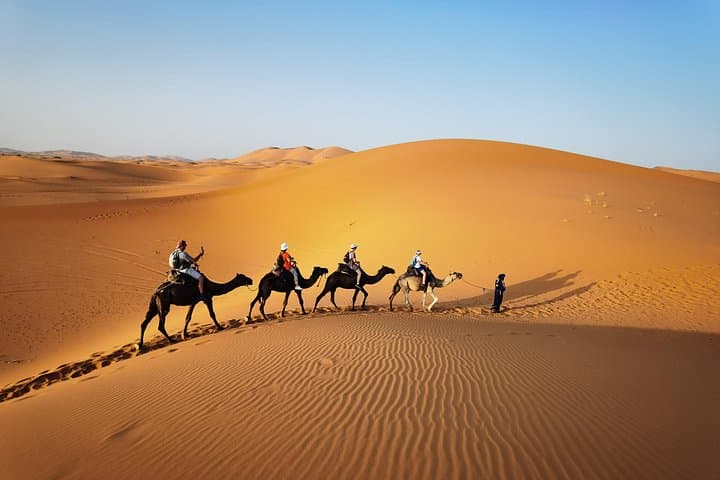
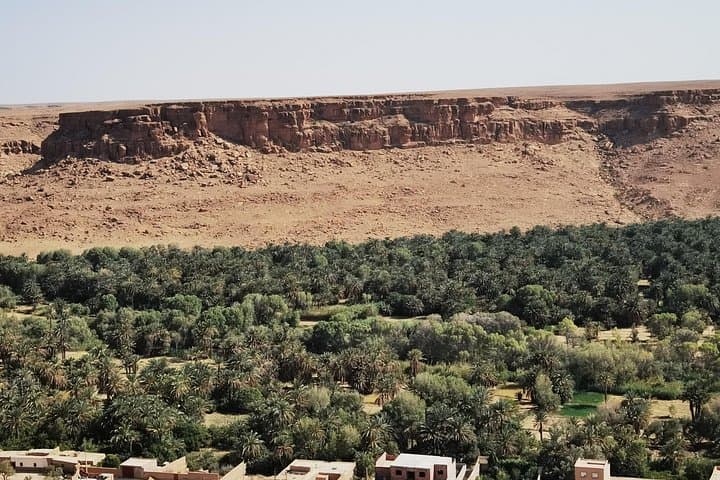
You leave Fez before dawn and the road peels away into cedar forests and red-rock gorges; by late afternoon the landscape has been rewritten by wind and sand. Erg Chebbi’s dunes rise like a movable ocean—each crest daring you to climb and each trough folding you into silence as the caravan threads its way toward the camp.
Verified experiences and guided adventures in the surrounding area.
Operated by Fez Desert Tours · Merzouga, Drâa-Tafilalet
You leave Fez before dawn and the road peels away into cedar forests and red-rock gorges; by late afternoon the landscape has been rewritten by wind and sand. Erg Chebbi’s dunes rise like a movable ocean—each crest daring you to climb and each trough folding you into silence as the caravan threads its way toward the camp.
The route follows historic caravan corridors that linked Saharan trade routes to the Atlas towns; geology here is recent—wind-sculpted sand atop older fluvial deposits—so dunes can shift tens of meters in a season. Local culture is strongly Berber: expect live tam-tam rhythms, mint tea hospitality, and tents that echo nomadic design even in luxury camps.
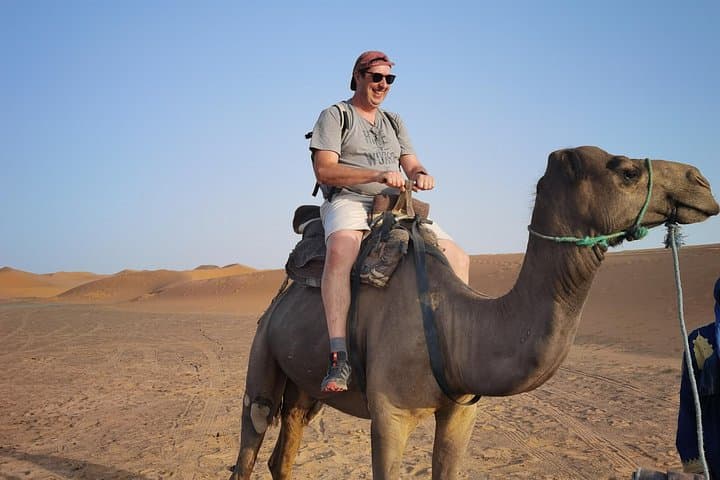
On arrival the practical rhythm is simple: a sunset camel trek (roughly 60–90 minutes), dinner around a communal fire, and a night under thick blankets in a well-appointed tent. An early-morning walk or second short camel ride catches desert light and cooler temperatures.
Plan for temperature swings, strong sun, and soft sand underfoot. Hydrate before and during the trek, wear closed shoes for walking between dunes, and time photographs for golden hour. Respect local customs—ask before photographing people—and keep waste contained; fragile desert soils recover slowly.
This two-day circuit is accessible to most travelers but rewards those who carry a compact daypack, patience for slow camel paces, and curiosity for evenings spent listening to desert song.
Typical sunset camel treks are about 60–90 minutes each way, timed to reach the camp near sunset; early-morning rides are shorter and cooler.
Camps on this route advertise luxury or semi-luxury tents with mattresses, blankets, and shared restroom facilities; comforts vary by operator so check specifics before booking.
Yes—operators generally classify it as easy; however, mounting camels and sleeping on camp bedding can be challenging for some, so note mobility needs in booking.
Tipping is customary; consider 10–15 EUR per person split between driver, guide, and camp staff, adjusted for service and group size.
Fez Desert Tours operates guided outdoor trips and adventures with an emphasis on safety, stewardship, and memorable experiences.

You leave Fez before dawn and the road peels away into cedar forests and red-rock gorges; by late afternoon the landscape has been rewritten by wind and sand. Erg Chebbi’s dunes rise like a movable ocean—each crest daring you to climb and each trough folding you into silence as the caravan threads its way toward the camp.
You leave Fez before dawn and the road peels away into cedar forests and red-rock gorges; by late afternoon the landscape has been rewritten by wind and sand. Erg Chebbi’s dunes rise like a movable ocean—each crest daring you to climb and each trough folding you into silence as the caravan threads its way toward the camp.
The route follows historic caravan corridors that linked Saharan trade routes to the Atlas towns; geology here is recent—wind-sculpted sand atop older fluvial deposits—so dunes can shift tens of meters in a season. Local culture is strongly Berber: expect live tam-tam rhythms, mint tea hospitality, and tents that echo nomadic design even in luxury camps.
On arrival the practical rhythm is simple: a sunset camel trek (roughly 60–90 minutes), dinner around a communal fire, and a night under thick blankets in a well-appointed tent. An early-morning walk or second short camel ride catches desert light and cooler temperatures.
Plan for temperature swings, strong sun, and soft sand underfoot. Hydrate before and during the trek, wear closed shoes for walking between dunes, and time photographs for golden hour. Respect local customs—ask before photographing people—and keep waste contained; fragile desert soils recover slowly.
This two-day circuit is accessible to most travelers but rewards those who carry a compact daypack, patience for slow camel paces, and curiosity for evenings spent listening to desert song.