THE ADVENTURE COLLECTIVE® · Independent discovery and booking for outdoor travel

Escape Fes for a full-day drive into the Middle Atlas to visit Berber villages, a willow-ringed lake, Ifrane’s alpine streets, and cedar forests home to the Barbary macaque. Expect short walks, cool mountain air, and a mix of cultural and wildlife sights.
Escape Fes for a full-day drive into the Middle Atlas to visit Berber villages, a willow-ringed lake, Ifrane’s alpine streets, and cedar forests home to the Barbary macaque. Expect short walks, cool mountain air, and a mix of cultural and wildlife sights.
Morning light slices across the Middle Atlas as the minivan climbs out of Fes and into high-country air — cooler, clearer, and edged by cedar crowns. Within an hour the road opens to terraced fields and a small village famed for its apple festival, where rock-sheltered Berber homes and low stone walls mark centuries of mountain life.
Verified experiences and guided adventures in the surrounding area.
Operated by Ahmed Meski · Ifrane, Fès-Meknès
Morning light slices across the Middle Atlas as the minivan climbs out of Fes and into high-country air — cooler, clearer, and edged by cedar crowns. Within an hour the road opens to terraced fields and a small village famed for its apple festival, where rock-sheltered Berber homes and low stone walls mark centuries of mountain life.
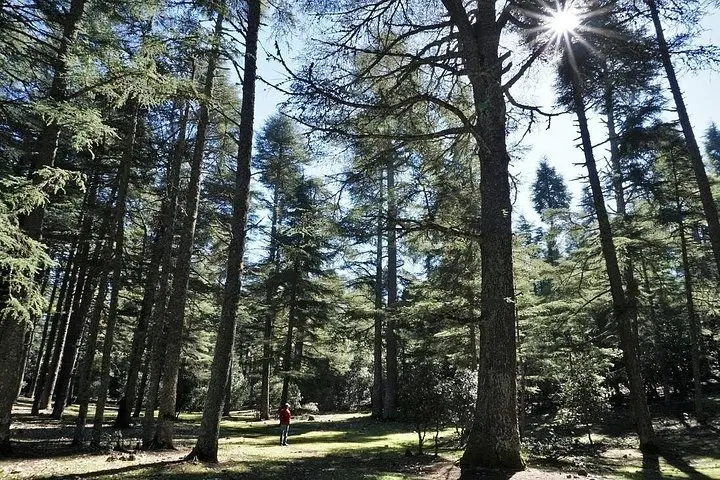
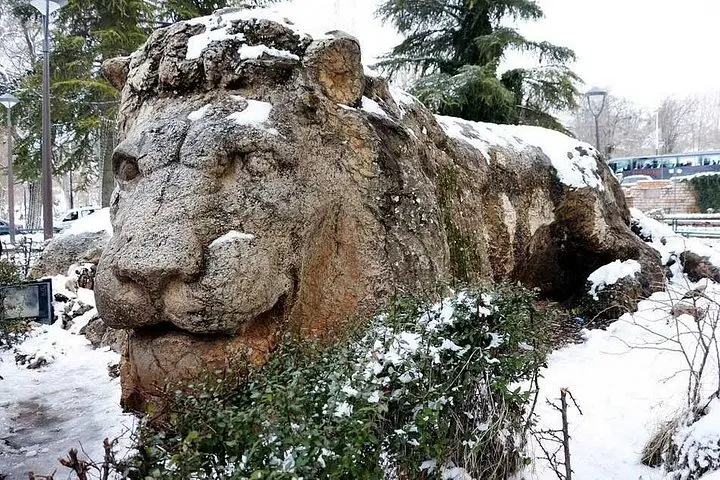
The route threads past Lake Dait Aoua, a willow-lined pool whose quiet surface invites birdwatching, then rises to Ifrane — a compact alpine town built during the French protectorate in the 1930s, its stone lion and flower-lined avenues recalling a European mountain village at 1,650–1,700 m elevation. Beyond town the road runs into cedar forest: the habitat of the Barbary macaque, which you’ll often spot foraging or leaping between trunks.
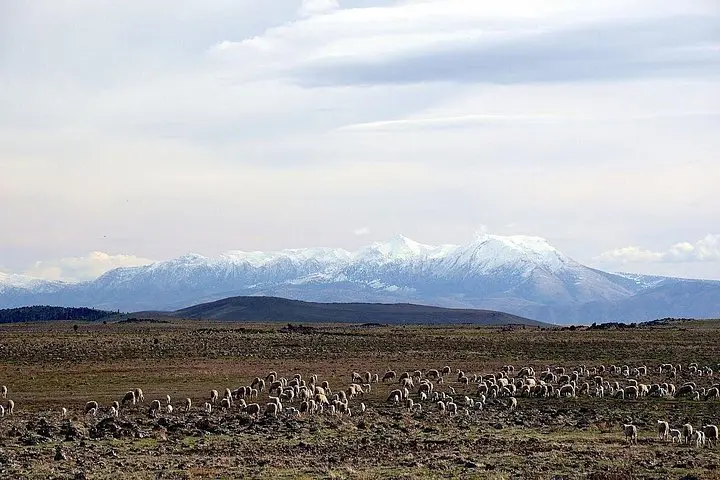
Geology here is folded Mesozoic limestone and volcanic outcrops; soils support oak and Atlas cedar that cool the air and feed traditional grazing economies. Local culture remains visibly Berber — houses, craft trades like carpentry and upholstery, and seasonal markets.
Practical notes: this is a full-day, mostly vehicle-based excursion (8–10 hours) with several short walks on forest paths and village alleys. Expect uneven dirt trails in the cedar groves and paved streets in Ifrane; dress in layers for temperature swings and bring water, binoculars, and a camera. Practice responsible viewing of macaques — keep distance and don’t feed them. The trip offers easy access to mountain scenery, cultural encounters with Berber communities, and reliable wildlife viewing without technical hiking or high fitness requirements.
No—this is a vehicle-based day trip with short, mostly easy walks; basic mobility is sufficient.
Lunch is typically not included; check the tour details and plan for a local restaurant stop or bring a packed lunch.
Sightings are common in the cedar forest near Azrou but not guaranteed; mornings and late afternoons increase chances.
Snow can occur around Ifrane in winter; operators usually plan around closures but check weather and cancellation policies before travel.
Ahmed Meski operates guided outdoor trips and adventures with an emphasis on safety, stewardship, and memorable experiences.
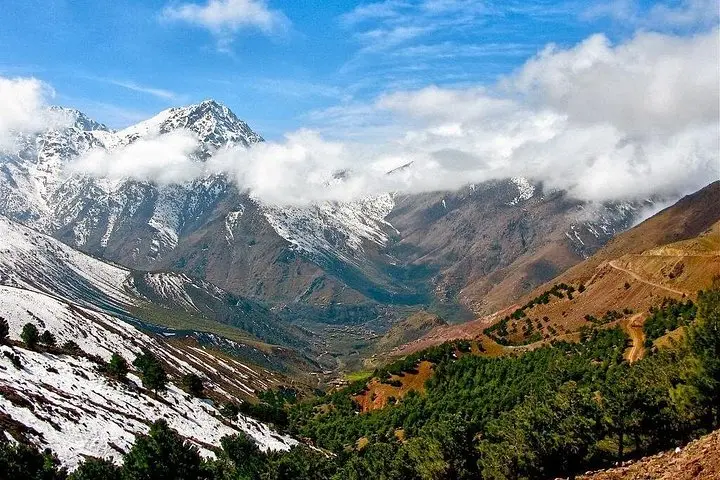
Morning light slices across the Middle Atlas as the minivan climbs out of Fes and into high-country air — cooler, clearer, and edged by cedar crowns. Within an hour the road opens to terraced fields and a small village famed for its apple festival, where rock-sheltered Berber homes and low stone walls mark centuries of mountain life.
Morning light slices across the Middle Atlas as the minivan climbs out of Fes and into high-country air — cooler, clearer, and edged by cedar crowns. Within an hour the road opens to terraced fields and a small village famed for its apple festival, where rock-sheltered Berber homes and low stone walls mark centuries of mountain life.
The route threads past Lake Dait Aoua, a willow-lined pool whose quiet surface invites birdwatching, then rises to Ifrane — a compact alpine town built during the French protectorate in the 1930s, its stone lion and flower-lined avenues recalling a European mountain village at 1,650–1,700 m elevation. Beyond town the road runs into cedar forest: the habitat of the Barbary macaque, which you’ll often spot foraging or leaping between trunks.
Geology here is folded Mesozoic limestone and volcanic outcrops; soils support oak and Atlas cedar that cool the air and feed traditional grazing economies. Local culture remains visibly Berber — houses, craft trades like carpentry and upholstery, and seasonal markets.
Practical notes: this is a full-day, mostly vehicle-based excursion (8–10 hours) with several short walks on forest paths and village alleys. Expect uneven dirt trails in the cedar groves and paved streets in Ifrane; dress in layers for temperature swings and bring water, binoculars, and a camera. Practice responsible viewing of macaques — keep distance and don’t feed them. The trip offers easy access to mountain scenery, cultural encounters with Berber communities, and reliable wildlife viewing without technical hiking or high fitness requirements.