THE ADVENTURE COLLECTIVE® · Independent discovery and booking for outdoor travel

Escape Fez for a full-day drive into the Middle Atlas: cedar forests, cool springs and Berber hill towns. This practical day trip mixes easy hikes with scenic driving and local culture.
Escape Fez for a full-day drive into the Middle Atlas: cedar forests, cool springs and Berber hill towns. This practical day trip mixes easy hikes with scenic driving and local culture.
A crisp morning leaves Fez behind as the city’s medina noise thins and the road climbs into green. The bushed slopes of the Middle Atlas push forward like a living wall; cedar trunks stand like old watchmen and spring water threads down toward the valleys. By mid-morning the air cools and the landscape shifts to winding passes, small stone villages and picnic-ready clearings where the land feels decisive and honest.
Verified experiences and guided adventures in the surrounding area.
Operated by Fes Sahara Tours · Imouzzer Kandar, Fès-Meknès
A crisp morning leaves Fez behind as the city’s medina noise thins and the road climbs into green. The bushed slopes of the Middle Atlas push forward like a living wall; cedar trunks stand like old watchmen and spring water threads down toward the valleys. By mid-morning the air cools and the landscape shifts to winding passes, small stone villages and picnic-ready clearings where the land feels decisive and honest.
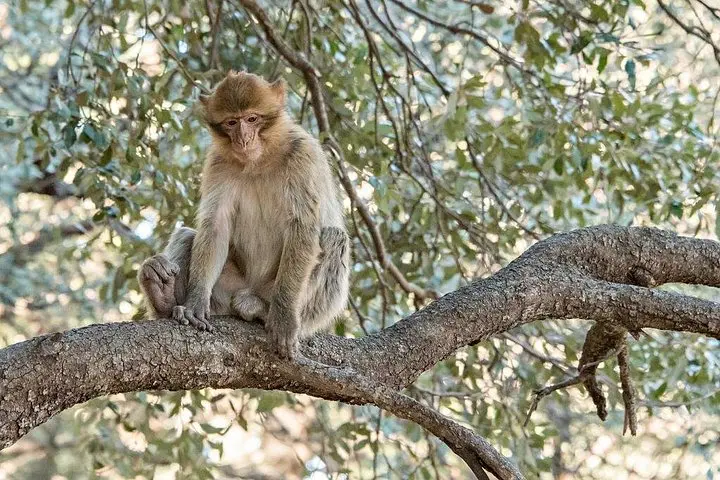
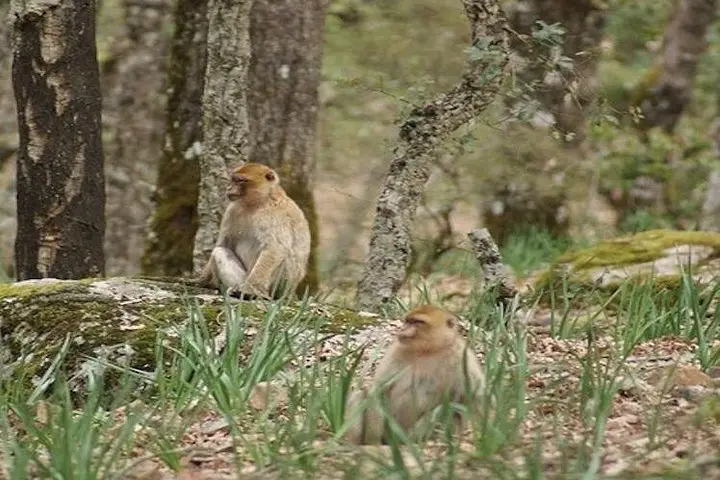
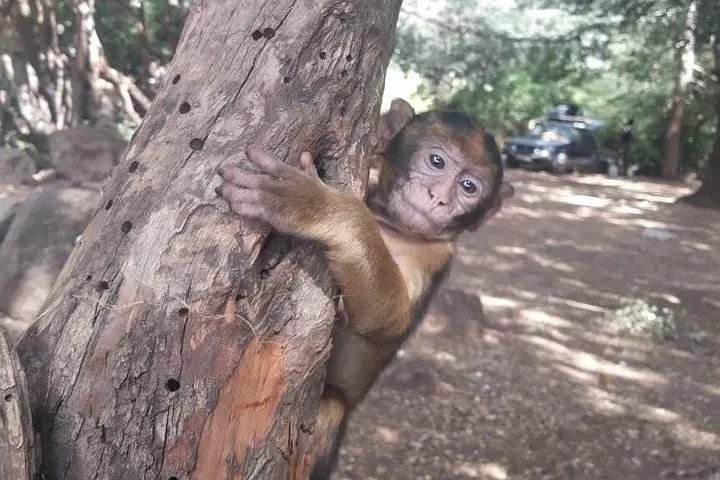
This day trip follows routes used for centuries by Berber communities and colonial-era foresters, crossing volcanic and limestone formations that created the region’s springs. The cedar forests here support the endangered Barbary macaque and a bevy of raptors; Imouzzer Kandar, at the headwaters of major watersheds, has long been a collection point for local craft and seasonal markets.
Expect about 80–100 km of driving each way from Fez with a net climb of roughly 1,000–1,300 m into cool, forested terrain. Trails near parking spots are generally easy—short hikes and viewpoints rather than long summits—so the day blends scenic drives with gentle walking and culture stops in hill towns.
Practical guidance: leave early to maximize light and avoid afternoon clouds; pack layers for a 5–10°C swing between town and ridge; bring sturdy walking shoes for damp forest paths and ankle protection on loose stone. Hydrate frequently—the springs are tempting, but treat tap water or use a filter. Respect local culture: modest dress in villages and ask before photographing people. A full day here gives a compact, walkable taste of Morocco’s cooler mountains without technical climbing, ideal for travelers who want a nature-forward escape from the imperial city.
The drive is roughly 80–100 km one way and typically takes 1.5–2.5 hours depending on stops and road conditions.
Walking is light—short hikes and viewpoint strolls up to 30–45 minutes; paths are generally easy but can be uneven or muddy after rain.
Yes—Barbary macaques and a variety of birds of prey are commonly sighted in cedar forests; sightings are never guaranteed but likely in wooded areas.
Mineral water is typically provided; breakfast or light refreshments may be included at local stops, but carrying snacks is recommended.
Fes Sahara Tours operates guided outdoor trips and adventures with an emphasis on safety, stewardship, and memorable experiences.
A crisp morning leaves Fez behind as the city’s medina noise thins and the road climbs into green. The bushed slopes of the Middle Atlas push forward like a living wall; cedar trunks stand like old watchmen and spring water threads down toward the valleys. By mid-morning the air cools and the landscape shifts to winding passes, small stone villages and picnic-ready clearings where the land feels decisive and honest.
A crisp morning leaves Fez behind as the city’s medina noise thins and the road climbs into green. The bushed slopes of the Middle Atlas push forward like a living wall; cedar trunks stand like old watchmen and spring water threads down toward the valleys. By mid-morning the air cools and the landscape shifts to winding passes, small stone villages and picnic-ready clearings where the land feels decisive and honest.
This day trip follows routes used for centuries by Berber communities and colonial-era foresters, crossing volcanic and limestone formations that created the region’s springs. The cedar forests here support the endangered Barbary macaque and a bevy of raptors; Imouzzer Kandar, at the headwaters of major watersheds, has long been a collection point for local craft and seasonal markets.
Expect about 80–100 km of driving each way from Fez with a net climb of roughly 1,000–1,300 m into cool, forested terrain. Trails near parking spots are generally easy—short hikes and viewpoints rather than long summits—so the day blends scenic drives with gentle walking and culture stops in hill towns.
Practical guidance: leave early to maximize light and avoid afternoon clouds; pack layers for a 5–10°C swing between town and ridge; bring sturdy walking shoes for damp forest paths and ankle protection on loose stone. Hydrate frequently—the springs are tempting, but treat tap water or use a filter. Respect local culture: modest dress in villages and ask before photographing people. A full day here gives a compact, walkable taste of Morocco’s cooler mountains without technical climbing, ideal for travelers who want a nature-forward escape from the imperial city.