THE ADVENTURE COLLECTIVE® · Independent discovery and booking for outdoor travel

Leave Fez’s medina for a day in the Middle Atlas: alpine-looking Ifrane, the bird-rich Dayet Aoua, Azrou’s market, and the cedar forest where Barbary macaques play. This private full-day drive combines short walks, wildlife viewing, and a local lunch option.
Leave Fez’s medina for a day in the Middle Atlas: alpine-looking Ifrane, the bird-rich Dayet Aoua, Azrou’s market, and the cedar forest where Barbary macaques play. This private full-day drive combines short walks, wildlife viewing, and a local lunch option.
A cool breeze pushes up from the cedar slopes as the road leaves Fez behind and climbs into the Middle Atlas. Pine and chestnut trees frame low, slate-roofed houses; the landscape opens on Dayet Aoua’s dark water and the squat silhouettes of Azrou’s market stalls. The cedar forest itself feels older than human plans — trunks broad as columns and a steady chorus of raptors that seem to patrol the ridgelines.
Verified experiences and guided adventures in the surrounding area.
Operated by Berrada travel · Ifrane, Fès-Meknès
A cool breeze pushes up from the cedar slopes as the road leaves Fez behind and climbs into the Middle Atlas. Pine and chestnut trees frame low, slate-roofed houses; the landscape opens on Dayet Aoua’s dark water and the squat silhouettes of Azrou’s market stalls. The cedar forest itself feels older than human plans — trunks broad as columns and a steady chorus of raptors that seem to patrol the ridgelines.
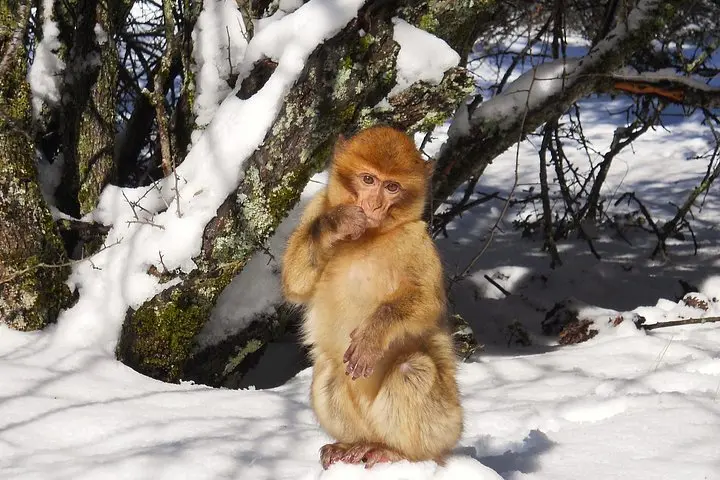
The region blends Berber culture, French-era alpine architecture in Ifrane, and a highland ecology shaped by limestone and ancient volcanic activity. Ifrane’s tidy avenues and seasonal ski slopes reflect 20th-century planning, while Azrou remains a traditional market town where craftsmen and shepherds trade in local produce and textiles. The Cedar Forest is important habitat for the Barbary macaque, a species with a precarious range limited to the Atlas and Gibraltar.
Practically, this private full-day drive is a flexible mix of short walks, wildlife viewing, and a sit-down lunch in Azrou. Expect paved mountain roads with short, uneven trails in forested sections. Bring layers for cool mornings and warmer afternoons, carry cash for market purchases and monkey peanuts, and use a telephoto lens if you want close-up wildlife shots without stressing animals. Guides typically provide bottled water and multilingual commentary; if you choose horseback riding in the cedar grove, factor an extra hour. Plan your visit outside midday heat in summer and check winter conditions if visiting for snow sport viewing. With sensible footwear and respect for local wildlife, the tour offers a compact but richly varied day in Morocco’s highlands.
No — lunch in Azrou is optional and paid for on-site; guides can recommend local restaurants and menu items.
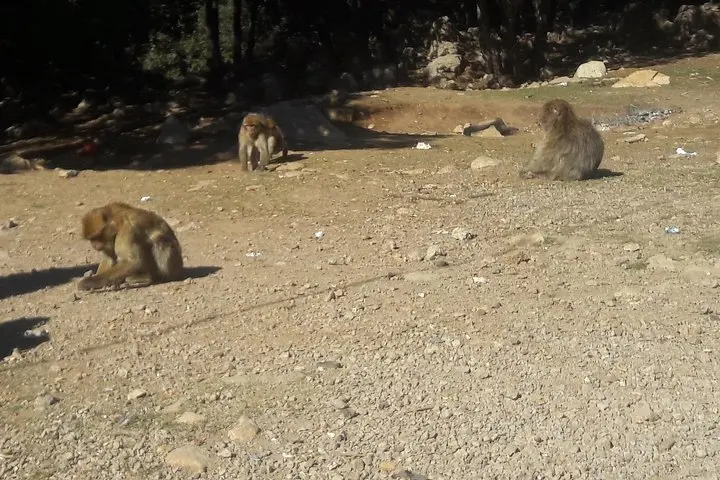
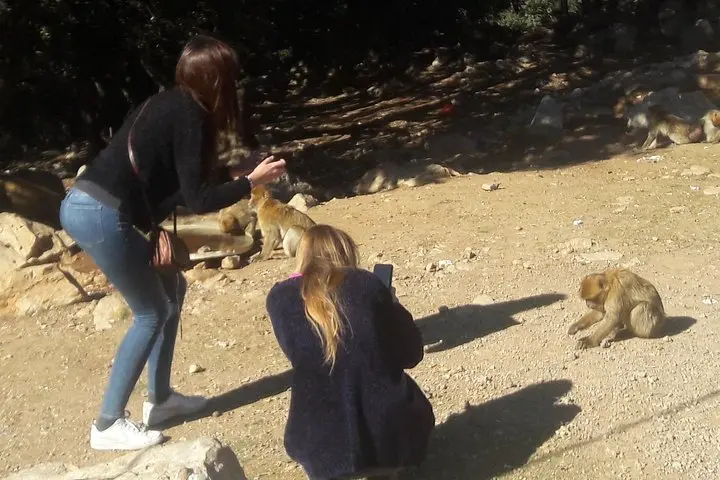
Yes, macaques are common in the cedar forest, but viewing distance varies; avoid feeding them and follow your guide’s instructions for safe interaction.
The tour is vehicle-based with short, optional walks; those with limited mobility can still enjoy the scenery from designated viewpoints and the vehicle.
Yes — horseback riding is often available locally but is not included in the base price and will add about an hour to the itinerary.
Berrada travel operates guided outdoor trips and adventures with an emphasis on safety, stewardship, and memorable experiences.
A cool breeze pushes up from the cedar slopes as the road leaves Fez behind and climbs into the Middle Atlas. Pine and chestnut trees frame low, slate-roofed houses; the landscape opens on Dayet Aoua’s dark water and the squat silhouettes of Azrou’s market stalls. The cedar forest itself feels older than human plans — trunks broad as columns and a steady chorus of raptors that seem to patrol the ridgelines.
A cool breeze pushes up from the cedar slopes as the road leaves Fez behind and climbs into the Middle Atlas. Pine and chestnut trees frame low, slate-roofed houses; the landscape opens on Dayet Aoua’s dark water and the squat silhouettes of Azrou’s market stalls. The cedar forest itself feels older than human plans — trunks broad as columns and a steady chorus of raptors that seem to patrol the ridgelines.
The region blends Berber culture, French-era alpine architecture in Ifrane, and a highland ecology shaped by limestone and ancient volcanic activity. Ifrane’s tidy avenues and seasonal ski slopes reflect 20th-century planning, while Azrou remains a traditional market town where craftsmen and shepherds trade in local produce and textiles. The Cedar Forest is important habitat for the Barbary macaque, a species with a precarious range limited to the Atlas and Gibraltar.
Practically, this private full-day drive is a flexible mix of short walks, wildlife viewing, and a sit-down lunch in Azrou. Expect paved mountain roads with short, uneven trails in forested sections. Bring layers for cool mornings and warmer afternoons, carry cash for market purchases and monkey peanuts, and use a telephoto lens if you want close-up wildlife shots without stressing animals. Guides typically provide bottled water and multilingual commentary; if you choose horseback riding in the cedar grove, factor an extra hour. Plan your visit outside midday heat in summer and check winter conditions if visiting for snow sport viewing. With sensible footwear and respect for local wildlife, the tour offers a compact but richly varied day in Morocco’s highlands.