THE ADVENTURE COLLECTIVE® · Independent discovery and booking for outdoor travel

Walk where America’s richest built ostentatious townhouses and private galleries. This two-hour guided route along Fifth Avenue blends architectural history, insider stories about the Frick and other mansions, and practical urban touring tips.
Walk where America’s richest built ostentatious townhouses and private galleries. This two-hour guided route along Fifth Avenue blends architectural history, insider stories about the Frick and other mansions, and practical urban touring tips.
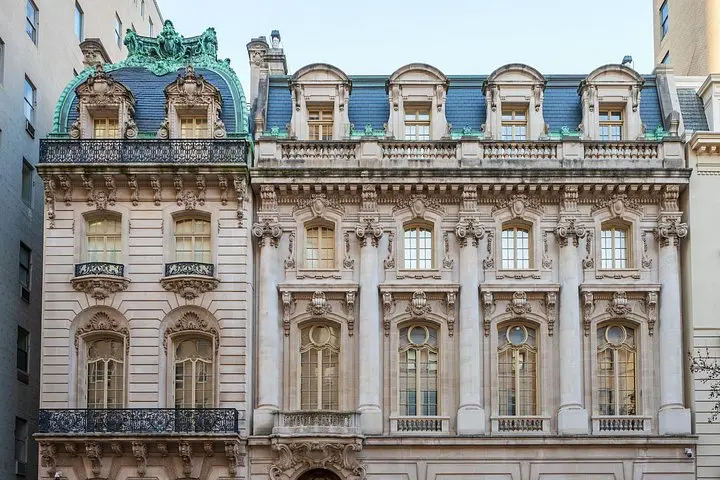
You step out onto Fifth Avenue at the bronze statue of General Sherman; traffic hums, yellow cabs thread past, and the long façades of stone and limestone rise like chapters of a city biography. The guide falls into a measured cadence, pointing to carved cornices, secret service entrances and the tiny bookshop tucked into a former private library — the street itself doing the talking.
Verified experiences and guided adventures in the surrounding area.
Operated by Untapped New York · New York, New York
You step out onto Fifth Avenue at the bronze statue of General Sherman; traffic hums, yellow cabs thread past, and the long façades of stone and limestone rise like chapters of a city biography. The guide falls into a measured cadence, pointing to carved cornices, secret service entrances and the tiny bookshop tucked into a former private library — the street itself doing the talking.
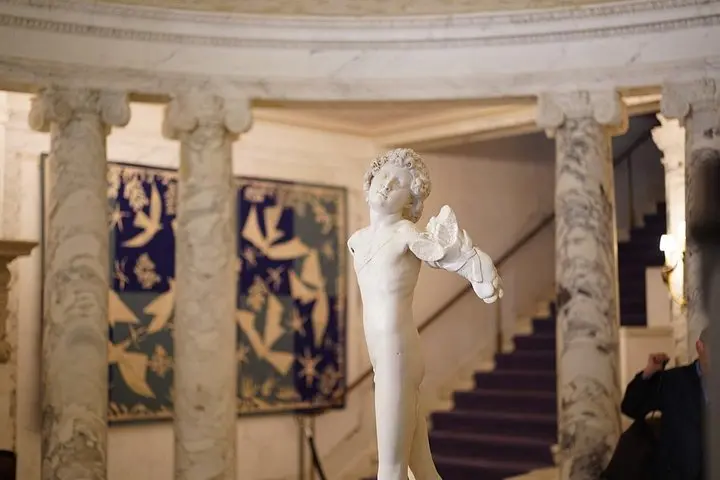
This two-hour walking tour follows the strip once called Millionaire’s Row, where late-19th-century industrial fortunes raised palatial townhouses and single-family mansions. Manhattan’s bedrock — Manhattan schist — allowed architects to push weighty façades skyward, while Gilded Age collectors filled interiors with European art and American bravado. You’ll pass the Frick Collection’s neighborhood, see the footprint of the city’s largest single residence, and spot one of the last surviving single-family mansions on the avenue.
The walk balances architecture and neighborhood color: luxury retail displays, Central Park edges, and the intimate details that survive decades of redevelopment. Guides add local lore — scandalous estates, art collection rivalries, and how social geography shaped the Upper East Side.
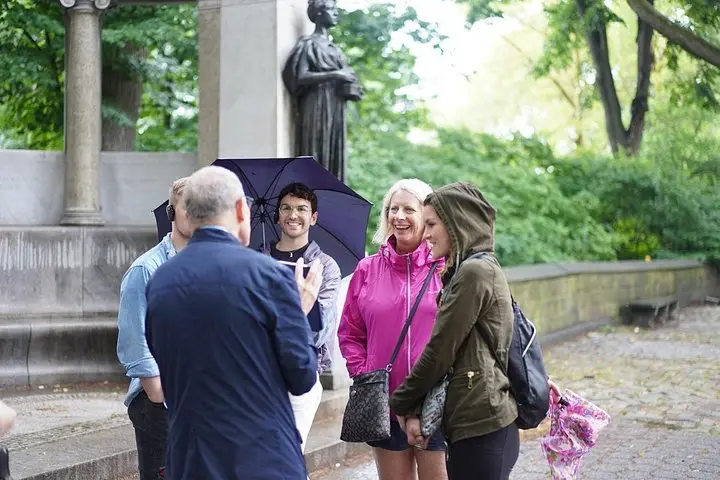
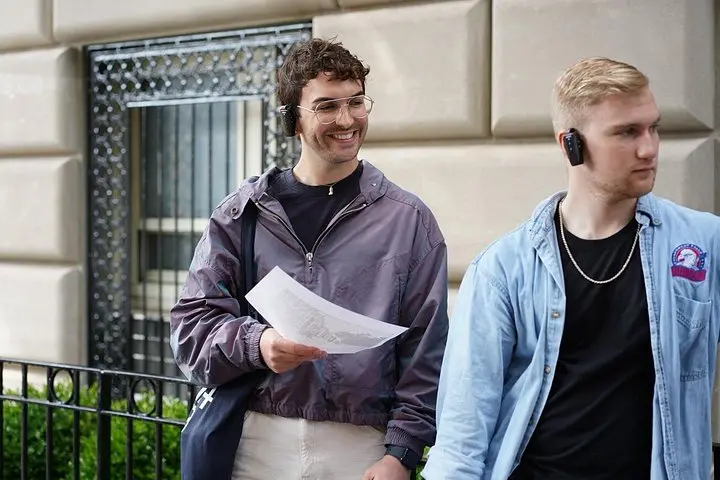
Practicalities matter: the route is paved and mostly level, accessible for wheelchairs and strollers; expect about 1.5–2 miles of urban walking. Bring comfortable shoes, a small water bottle, and a light layer for breezy park edges. Tours provide single-ear receivers so you hear stories without crowding the speaker. Aim for morning slots to avoid heavier sidewalk traffic and to see façades under softer light.
The tour starts at the General William T. Sherman statue on 5th Ave between 59th and 60th St (764 Doris C Freedman Pl) and finishes along the Upper East Side on Fifth Avenue.
Yes—surfaces along the route are wheelchair accessible and the tour notes indicate accessibility for strollers and wheelchairs.
No—this is an exterior walking tour; admission to any museums or private homes is not included unless explicitly stated.
Full refunds are available if you cancel at least 24 hours before the scheduled departure time per the tour’s policy.
Untapped New York operates guided outdoor trips and adventures with an emphasis on safety, stewardship, and memorable experiences.
You step out onto Fifth Avenue at the bronze statue of General Sherman; traffic hums, yellow cabs thread past, and the long façades of stone and limestone rise like chapters of a city biography. The guide falls into a measured cadence, pointing to carved cornices, secret service entrances and the tiny bookshop tucked into a former private library — the street itself doing the talking.
You step out onto Fifth Avenue at the bronze statue of General Sherman; traffic hums, yellow cabs thread past, and the long façades of stone and limestone rise like chapters of a city biography. The guide falls into a measured cadence, pointing to carved cornices, secret service entrances and the tiny bookshop tucked into a former private library — the street itself doing the talking.
This two-hour walking tour follows the strip once called Millionaire’s Row, where late-19th-century industrial fortunes raised palatial townhouses and single-family mansions. Manhattan’s bedrock — Manhattan schist — allowed architects to push weighty façades skyward, while Gilded Age collectors filled interiors with European art and American bravado. You’ll pass the Frick Collection’s neighborhood, see the footprint of the city’s largest single residence, and spot one of the last surviving single-family mansions on the avenue.
The walk balances architecture and neighborhood color: luxury retail displays, Central Park edges, and the intimate details that survive decades of redevelopment. Guides add local lore — scandalous estates, art collection rivalries, and how social geography shaped the Upper East Side.
Practicalities matter: the route is paved and mostly level, accessible for wheelchairs and strollers; expect about 1.5–2 miles of urban walking. Bring comfortable shoes, a small water bottle, and a light layer for breezy park edges. Tours provide single-ear receivers so you hear stories without crowding the speaker. Aim for morning slots to avoid heavier sidewalk traffic and to see façades under softer light.