THE ADVENTURE COLLECTIVE® · Independent discovery and booking for outdoor travel

Drive into one of Morocco’s most remote living oases: seven ksour, 150,000 date palms, hot springs, and craggy ridgelines that frame the Sahara. This private multi-day tour pairs comfortable riad stays with local guides to explore Figuig’s unique heritage and landscapes.
Drive into one of Morocco’s most remote living oases: seven ksour, 150,000 date palms, hot springs, and craggy ridgelines that frame the Sahara. This private multi-day tour pairs comfortable riad stays with local guides to explore Figuig’s unique heritage and landscapes.
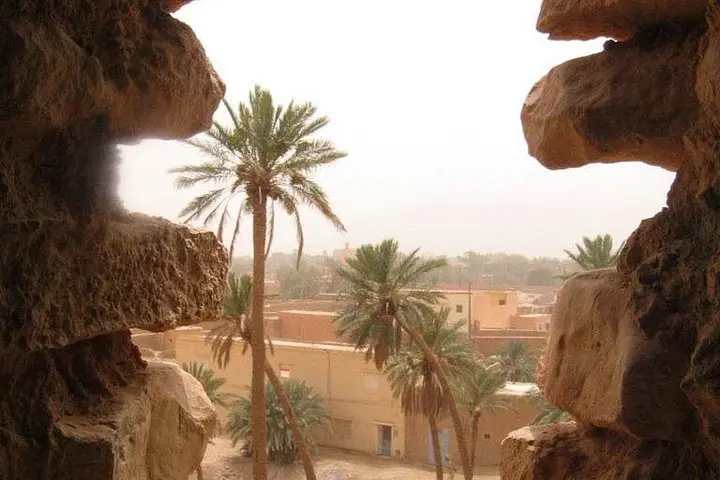
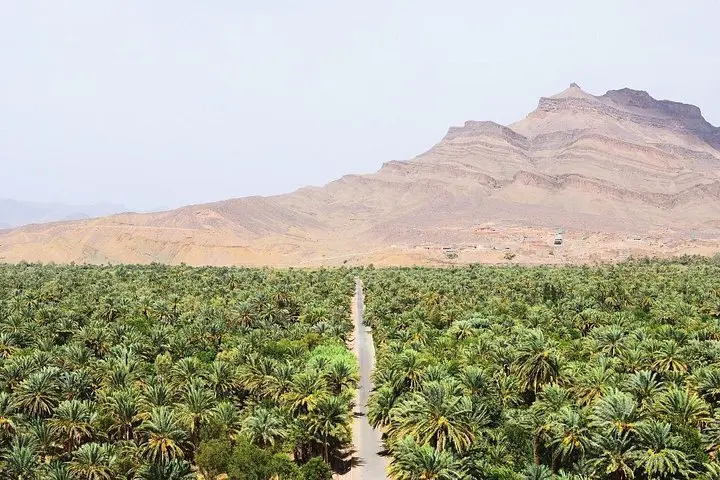
A single lane of packed sand unspools under the tires as the 4x4 threads east; a wall of palms rises like an island in a copper sea and the air cools where groundwater reaches the surface. That first evening in Figuig feels improbable—a living village of mud-brick ksour and date terraces tucked against arid slopes, where courtyard riads offer mint tea and the steady whisper of irrigation channels.
Verified experiences and guided adventures in the surrounding area.
Operated by Adrar Aventure SARL · Figuig, Oriental
A single lane of packed sand unspools under the tires as the 4x4 threads east; a wall of palms rises like an island in a copper sea and the air cools where groundwater reaches the surface. That first evening in Figuig feels improbable—a living village of mud-brick ksour and date terraces tucked against arid slopes, where courtyard riads offer mint tea and the steady whisper of irrigation channels.
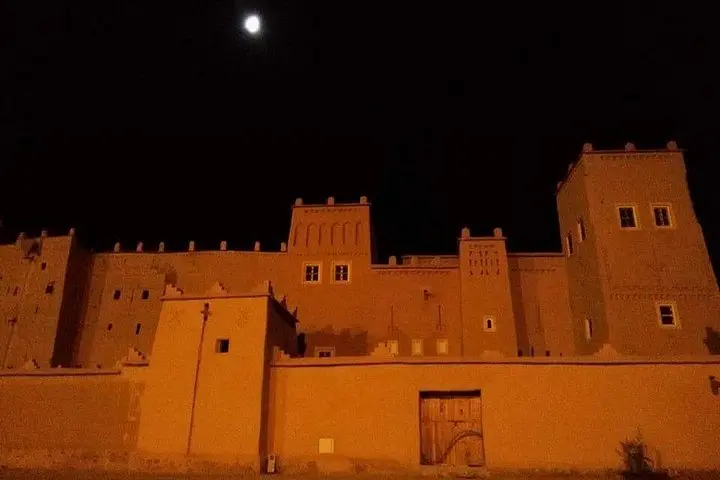
Figuig grew where trade caravans found water. Its seven ksour—Zenaga, El Hammam, Ouled Slimane among them—record centuries of borderland life, Berber settlement patterns, and communal water engineering through khettaras (underground channels). Geologically the site sits at the edge of the Sahara erg and below the Jbel Grouz ridgelines; storm-fed wadis cut short canyons and feed hot springs that locals still use.
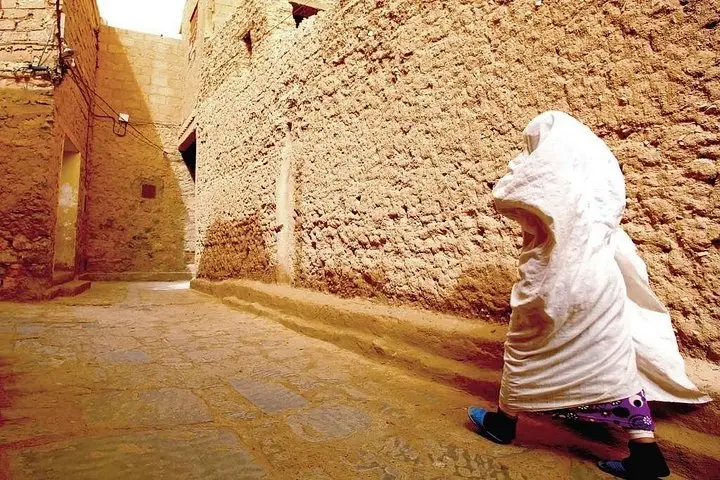
Culturally, you’ll see hand-woven rugs, date processing, and narrow alleys where buildings remain largely traditional. Guides explain the social role of the ksar and point out Zaouïa heritage sites and the seasonal bustle of the date harvest.
Practicalities: expect long driving days (this is a road-and-exploration itinerary), short guided walks on uneven stone and slippery stairs, and desert heat by day with cool nights. Bring sun protection, at least 2–3 liters of water per day, and comfortable, grippy shoes for ksour lanes and short hikes. Plan for early starts to avoid peak heat and to make the most of light for photos and views across the palm canopy. A private vehicle and local guide make remote navigation straightforward; use them to access hot springs, hill viewpoints, and lesser-trod paths around the oasis.
Figuig is remote; cell coverage can be intermittent. Expect reliable service in larger towns like Errachidia or Bouarfa but limited reception inside some ksour and valley routes.
The itinerary includes long vehicle transfers and walking on uneven surfaces; children and travelers with mobility limits can join but should be prepared for stairs and unpaved paths.
Standard Moroccan entry rules apply; the tour remains on the Moroccan side of the border—no special permits are required, but avoid crossing into Algeria without proper authorization.
Spring and fall offer pleasant daytime temperatures and softer light for photography; autumn brings the date harvest, while winter can be cool with occasional snow in nearby high passes.
Adrar Aventure SARL operates guided outdoor trips and adventures with an emphasis on safety, stewardship, and memorable experiences.
A single lane of packed sand unspools under the tires as the 4x4 threads east; a wall of palms rises like an island in a copper sea and the air cools where groundwater reaches the surface. That first evening in Figuig feels improbable—a living village of mud-brick ksour and date terraces tucked against arid slopes, where courtyard riads offer mint tea and the steady whisper of irrigation channels.
A single lane of packed sand unspools under the tires as the 4x4 threads east; a wall of palms rises like an island in a copper sea and the air cools where groundwater reaches the surface. That first evening in Figuig feels improbable—a living village of mud-brick ksour and date terraces tucked against arid slopes, where courtyard riads offer mint tea and the steady whisper of irrigation channels.
Figuig grew where trade caravans found water. Its seven ksour—Zenaga, El Hammam, Ouled Slimane among them—record centuries of borderland life, Berber settlement patterns, and communal water engineering through khettaras (underground channels). Geologically the site sits at the edge of the Sahara erg and below the Jbel Grouz ridgelines; storm-fed wadis cut short canyons and feed hot springs that locals still use.
Culturally, you’ll see hand-woven rugs, date processing, and narrow alleys where buildings remain largely traditional. Guides explain the social role of the ksar and point out Zaouïa heritage sites and the seasonal bustle of the date harvest.
Practicalities: expect long driving days (this is a road-and-exploration itinerary), short guided walks on uneven stone and slippery stairs, and desert heat by day with cool nights. Bring sun protection, at least 2–3 liters of water per day, and comfortable, grippy shoes for ksour lanes and short hikes. Plan for early starts to avoid peak heat and to make the most of light for photos and views across the palm canopy. A private vehicle and local guide make remote navigation straightforward; use them to access hot springs, hill viewpoints, and lesser-trod paths around the oasis.