THE ADVENTURE COLLECTIVE® · Independent discovery and booking for outdoor travel

Spend two nights in remote Viti Levu villages and hike historic trails along the upper Sigatoka River. This community-led 3‑day trek blends full-day walking, river swims and cultural exchanges with village hosts.
Spend two nights in remote Viti Levu villages and hike historic trails along the upper Sigatoka River. This community-led 3‑day trek blends full-day walking, river swims and cultural exchanges with village hosts.
You step out of the 4WD and the lowland humidity gives way to cooler air on the Nadrau plateau; grasses part to reveal a river valley where an old trail threads between abandoned houses and active gardens. Village dogs bark a greeting, community guides sling a bilum and point you toward a ridge that opens to wide views over the Sigatoka watershed.
Verified experiences and guided adventures in the surrounding area.
Operated by Talanoa Treks · Sigatoka, Nadroga-Navosa
You step out of the 4WD and the lowland humidity gives way to cooler air on the Nadrau plateau; grasses part to reveal a river valley where an old trail threads between abandoned houses and active gardens. Village dogs bark a greeting, community guides sling a bilum and point you toward a ridge that opens to wide views over the Sigatoka watershed.
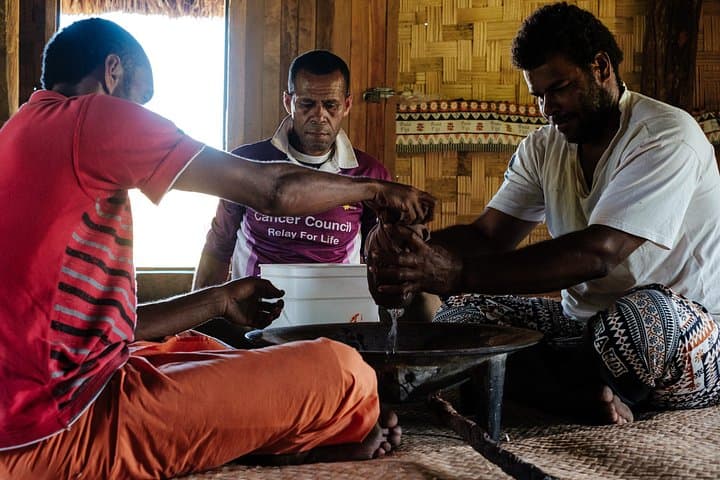
Viti Levu’s interior is shaped by volcanic uplift and long erosion—ridges of compacted volcanic soils break into grassland and patches of forest following the island’s drainage. The trails you walk were once the arteries between villages, carrying people, produce and stories. Expect cultural markers: yaqona (kava) ceremonies, communal meals, and local hosts who maintain living links to Fijian customs and land use.
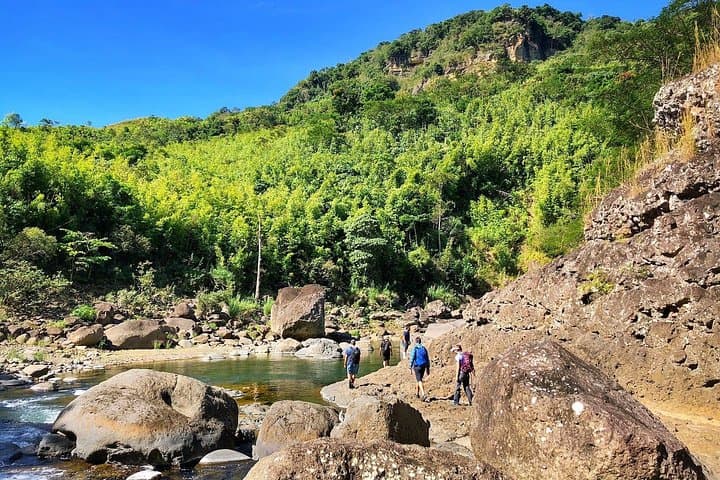
The trip moves deliberately from arrival in Naga village to a full 12 km day-hike to Nubutautau along riverbanks, with time for swims in clear pools and a final circular walk to a natural waterslide. Luggage transfers mean you hike light; accommodation is village homestay standard with basic showers and shared spaces.
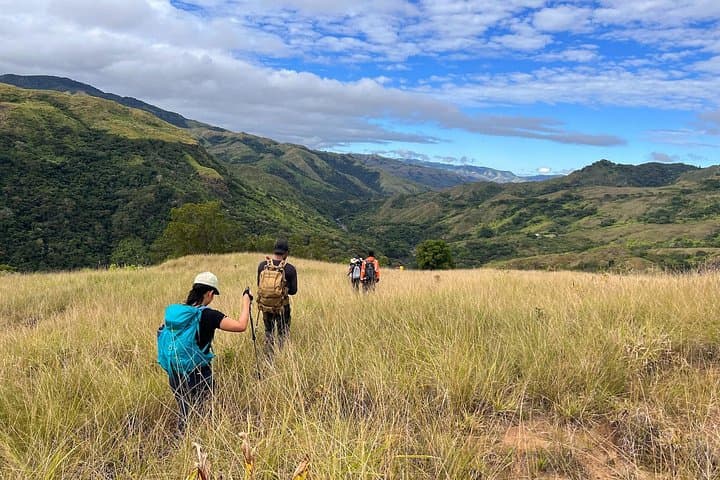
Practical edge: the main hike is about 12 km and commonly takes seven hours with breaks; terrain alternates packed earth, uneven stone and grassy climbs with several river crossings. Bring a sturdy pair of boots, sun and insect protection, a small daypack, and a quick-dry towel for swims. Respect village protocols—ask before photographing people, accept kava invitations politely, and pack out what you pack in. Timing trips in Fiji’s dry season (May–October) reduces rain interruptions and swollen river crossings.
The main hike is about 12 km and typically takes seven hours with guided breaks; it involves river crossings, uneven surfaces and several short climbs — suitable for those with moderate fitness.
Nights are spent in village homestays with basic facilities; expect communal sleeping areas, local meals and simple showers.
Filtered water supply is provided by the operator and included in the trip—still bring a refillable bottle for day use.
Not recommended for travelers with serious heart or spinal conditions; the tour requires reasonable mobility and stamina for full-day hikes.
Talanoa Treks operates guided outdoor trips and adventures with an emphasis on safety, stewardship, and memorable experiences.
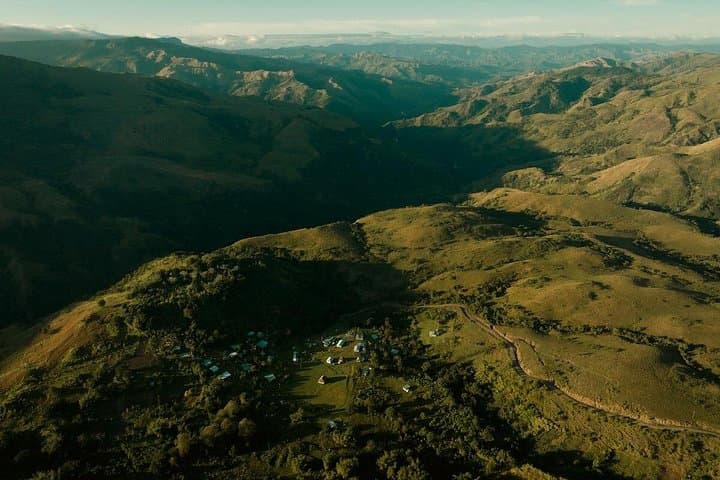
You step out of the 4WD and the lowland humidity gives way to cooler air on the Nadrau plateau; grasses part to reveal a river valley where an old trail threads between abandoned houses and active gardens. Village dogs bark a greeting, community guides sling a bilum and point you toward a ridge that opens to wide views over the Sigatoka watershed.
You step out of the 4WD and the lowland humidity gives way to cooler air on the Nadrau plateau; grasses part to reveal a river valley where an old trail threads between abandoned houses and active gardens. Village dogs bark a greeting, community guides sling a bilum and point you toward a ridge that opens to wide views over the Sigatoka watershed.
Viti Levu’s interior is shaped by volcanic uplift and long erosion—ridges of compacted volcanic soils break into grassland and patches of forest following the island’s drainage. The trails you walk were once the arteries between villages, carrying people, produce and stories. Expect cultural markers: yaqona (kava) ceremonies, communal meals, and local hosts who maintain living links to Fijian customs and land use.
The trip moves deliberately from arrival in Naga village to a full 12 km day-hike to Nubutautau along riverbanks, with time for swims in clear pools and a final circular walk to a natural waterslide. Luggage transfers mean you hike light; accommodation is village homestay standard with basic showers and shared spaces.
Practical edge: the main hike is about 12 km and commonly takes seven hours with breaks; terrain alternates packed earth, uneven stone and grassy climbs with several river crossings. Bring a sturdy pair of boots, sun and insect protection, a small daypack, and a quick-dry towel for swims. Respect village protocols—ask before photographing people, accept kava invitations politely, and pack out what you pack in. Timing trips in Fiji’s dry season (May–October) reduces rain interruptions and swollen river crossings.