THE ADVENTURE COLLECTIVE® · Independent discovery and booking for outdoor travel

A compact four-day loop around Viti Levu that pairs hot mud pools and orchid gardens with dunes, village visits and a waterfall walk. This mainland discovery offers accessible hikes, cultural exchange and coastal time—ideal for travelers seeking nature and local life in one trip.
A compact four-day loop around Viti Levu that pairs hot mud pools and orchid gardens with dunes, village visits and a waterfall walk. This mainland discovery offers accessible hikes, cultural exchange and coastal time—ideal for travelers seeking nature and local life in one trip.
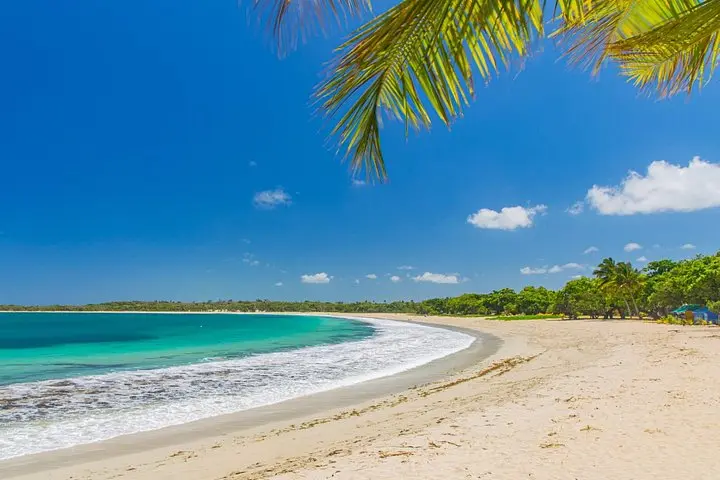
Early morning on Viti Levu the air tastes of salt and damp earth—palm fronds snap as the minibus pulls away from Nadi and the island opens up into sugarcane fields, volcanic ridgelines and a coastline that alternates between sculpted dunes and broad white beaches.
Verified experiences and guided adventures in the surrounding area.
Operated by iconictoursfiji · Nadi, Western Division
Early morning on Viti Levu the air tastes of salt and damp earth—palm fronds snap as the minibus pulls away from Nadi and the island opens up into sugarcane fields, volcanic ridgelines and a coastline that alternates between sculpted dunes and broad white beaches.
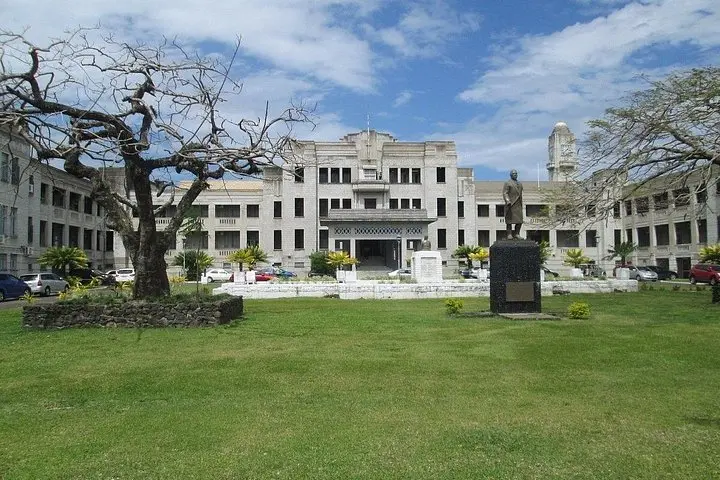
Over four days this mainland circuit stitches together Fiji’s natural contrasts: the thermal mud pools that steam beneath a thin canopy of ironwood trees, orchid-dense gardens that follow the cool Sabeto foothills, wind-shaped coastal dunes that rise like sand-colored cliffs, and a walk through rainforest to a plunging cascade. Along the way travelers meet market vendors, witness a kava ceremony and pass colonial government buildings in Suva—reminders that Viti Levu’s story carries Lapita pottery, missionary influence and plantation-era change.
Geologically the island is an eroded volcanic mass; its rivers and reef-fringed bays reflect thousands of years of uplift and coral growth. Culturally, the itinerary is village-forward: protocol, modest dress at temples, and the pace of a community that values welcome and reciprocity.
Practical guidance: pack reef-safe sunscreen, a quick-dry swimsuit and modest clothing for temple visits; carry small FJD notes for markets and village donations. Expect light-to-moderate walking—dune trails and rainforest footpaths can be uneven and muddy after rain. The best weather window is the dry season (May–Oct); the rainy season brings heat and short heavy showers. Move slowly, hydrate often, and let the island’s quieter spots—hidden jetties, a shaded orchid bench—be the reward.
Most departures include pick-up from Nadi area hotels—confirm your pickup point when booking and provide flight details if required.
Daily walking ranges from short market strolls to 40-minute rainforest treks to reach waterfalls; terrain can be uneven but no technical hiking is required.
Some site entry fees and a welcome refreshment are included, but most lunches and extra services like massages or horse rides are at your own cost.
Fiji dollars (FJD) are used; small cash tips for guides or local services are appreciated but not obligatory—have small notes for markets and village fees.
iconictoursfiji operates guided outdoor trips and adventures with an emphasis on safety, stewardship, and memorable experiences.

Early morning on Viti Levu the air tastes of salt and damp earth—palm fronds snap as the minibus pulls away from Nadi and the island opens up into sugarcane fields, volcanic ridgelines and a coastline that alternates between sculpted dunes and broad white beaches.
Early morning on Viti Levu the air tastes of salt and damp earth—palm fronds snap as the minibus pulls away from Nadi and the island opens up into sugarcane fields, volcanic ridgelines and a coastline that alternates between sculpted dunes and broad white beaches.
Over four days this mainland circuit stitches together Fiji’s natural contrasts: the thermal mud pools that steam beneath a thin canopy of ironwood trees, orchid-dense gardens that follow the cool Sabeto foothills, wind-shaped coastal dunes that rise like sand-colored cliffs, and a walk through rainforest to a plunging cascade. Along the way travelers meet market vendors, witness a kava ceremony and pass colonial government buildings in Suva—reminders that Viti Levu’s story carries Lapita pottery, missionary influence and plantation-era change.
Geologically the island is an eroded volcanic mass; its rivers and reef-fringed bays reflect thousands of years of uplift and coral growth. Culturally, the itinerary is village-forward: protocol, modest dress at temples, and the pace of a community that values welcome and reciprocity.
Practical guidance: pack reef-safe sunscreen, a quick-dry swimsuit and modest clothing for temple visits; carry small FJD notes for markets and village donations. Expect light-to-moderate walking—dune trails and rainforest footpaths can be uneven and muddy after rain. The best weather window is the dry season (May–Oct); the rainy season brings heat and short heavy showers. Move slowly, hydrate often, and let the island’s quieter spots—hidden jetties, a shaded orchid bench—be the reward.