THE ADVENTURE COLLECTIVE® · Independent discovery and booking for outdoor travel

Walk a coffee plot in Agaete Valley and taste beans shaped by volcanic soil and ocean air. This guided 40–60 minute finca tour explains cultivation, processing, and the small-scale traditions behind Gran Canaria’s rare Arábica and Gesha crops.
Walk a coffee plot in Agaete Valley and taste beans shaped by volcanic soil and ocean air. This guided 40–60 minute finca tour explains cultivation, processing, and the small-scale traditions behind Gran Canaria’s rare Arábica and Gesha crops.
Morning light filters through the banana and avocado trees as you walk into a small coffee farm carved from the Agaete Valley’s steep slopes. The air smells of damp earth and fresh roast; leaves whisper around shaded rows of Arábica and rare Gesha plants. A short guided circuit shows you the life of a bean—from flowering and hand-picking to sun-drying on patios and the first crack of a roaster.
Verified experiences and guided adventures in the surrounding area.
Operated by Agamog Inversiones SLU · Agaete, Las Palmas
Morning light filters through the banana and avocado trees as you walk into a small coffee farm carved from the Agaete Valley’s steep slopes. The air smells of damp earth and fresh roast; leaves whisper around shaded rows of Arábica and rare Gesha plants. A short guided circuit shows you the life of a bean—from flowering and hand-picking to sun-drying on patios and the first crack of a roaster.
Agaete’s microclimate is unusual for Europe: humid trade winds, volcanic soils and narrow terraces create a warm, sheltered pocket where coffee thrives. The farm tour threads local agricultural history—how families adapted crops to steep plots and mixed tropical fruit trees to provide shade—and explains basic processing techniques that preserve floral, citrus and mineral notes in the cup.
Culturally, the tour connects food and place: tasting becomes a geography lesson, and the small on-site shop links visitors directly to low-volume, craft production. Expect clear demonstrations rather than long lectures—this is hands-on, sensory learning on a working finca.
Practicalities: tours run about 40–60 minutes with short, sometimes uneven walking sections; comfortable shoes and sun protection recommended. Public transport serves the valley but expect limited frequency—many visitors combine a tour with a stop in nearby Puerto de las Nieves. Photography is welcome; purchases support small-scale farming. For travelers who want a concise, outdoor-flavored cultural experience, this is a tidy window into one of Europe’s rare coffee-growing zones.
Guided visits run roughly 40–60 minutes, including a walk through the plantation, a processing demo and a tasting.
Yes—this activity is suitable for children and requires no special fitness; stroller access may be limited on steeper paths.
Yes—freshly roasted samples are part of the visit, and the on-site shop sells beans and local goods.
Agaete is about a 40–50 minute drive from Las Palmas de Gran Canaria; public buses run to Agaete but schedules are infrequent—check local timetables.
Agamog Inversiones SLU operates guided outdoor trips and adventures with an emphasis on safety, stewardship, and memorable experiences.
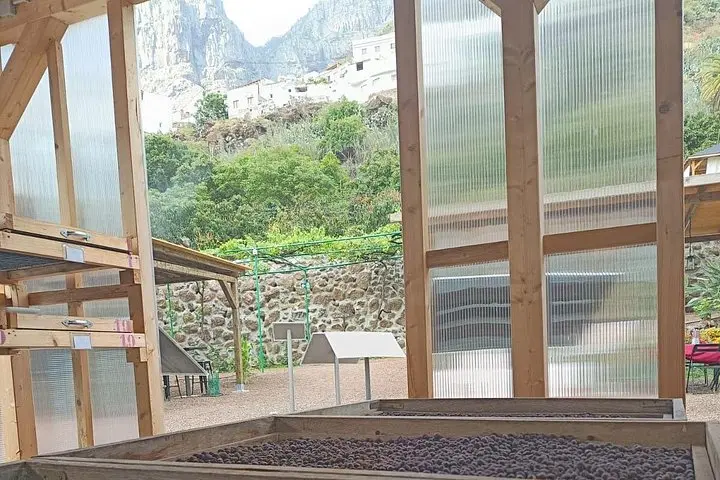
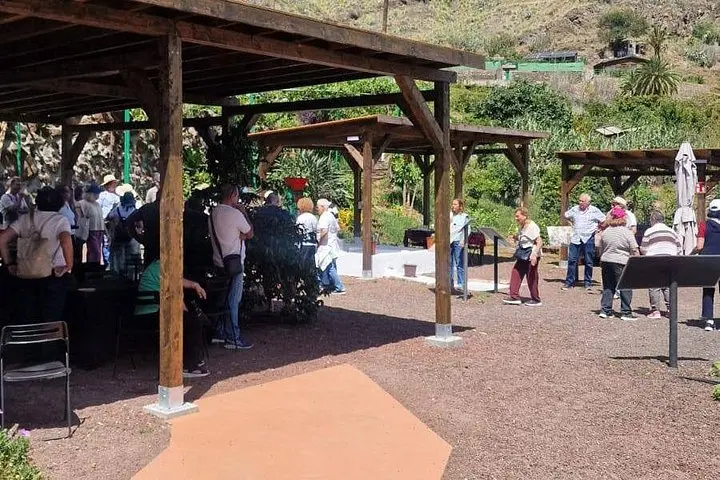
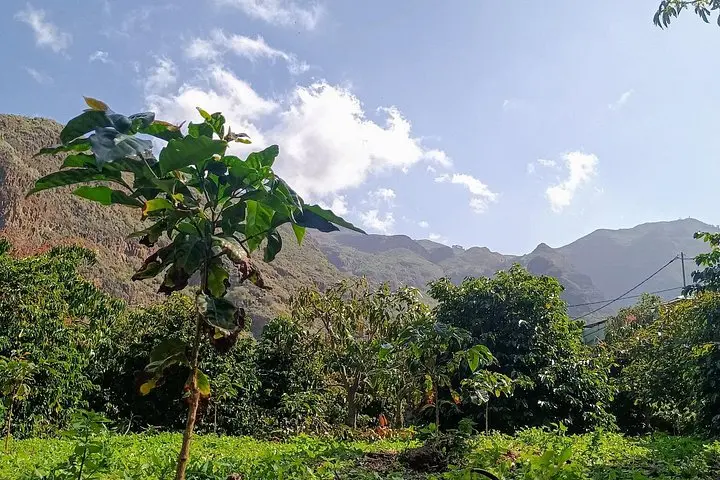
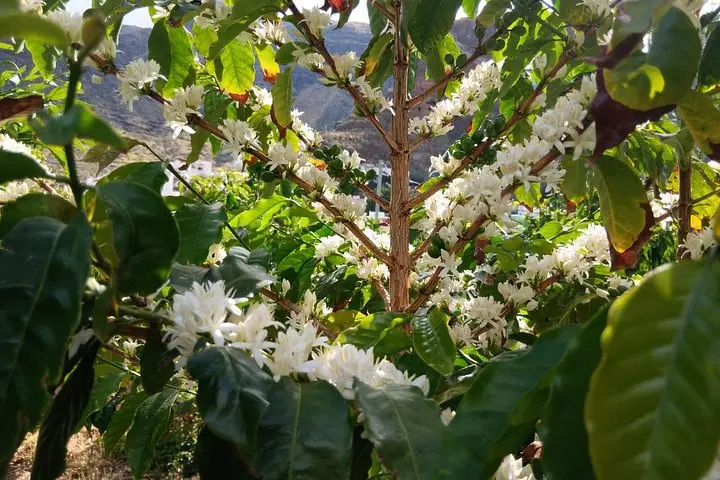
Morning light filters through the banana and avocado trees as you walk into a small coffee farm carved from the Agaete Valley’s steep slopes. The air smells of damp earth and fresh roast; leaves whisper around shaded rows of Arábica and rare Gesha plants. A short guided circuit shows you the life of a bean—from flowering and hand-picking to sun-drying on patios and the first crack of a roaster.
Morning light filters through the banana and avocado trees as you walk into a small coffee farm carved from the Agaete Valley’s steep slopes. The air smells of damp earth and fresh roast; leaves whisper around shaded rows of Arábica and rare Gesha plants. A short guided circuit shows you the life of a bean—from flowering and hand-picking to sun-drying on patios and the first crack of a roaster.
Agaete’s microclimate is unusual for Europe: humid trade winds, volcanic soils and narrow terraces create a warm, sheltered pocket where coffee thrives. The farm tour threads local agricultural history—how families adapted crops to steep plots and mixed tropical fruit trees to provide shade—and explains basic processing techniques that preserve floral, citrus and mineral notes in the cup.
Culturally, the tour connects food and place: tasting becomes a geography lesson, and the small on-site shop links visitors directly to low-volume, craft production. Expect clear demonstrations rather than long lectures—this is hands-on, sensory learning on a working finca.
Practicalities: tours run about 40–60 minutes with short, sometimes uneven walking sections; comfortable shoes and sun protection recommended. Public transport serves the valley but expect limited frequency—many visitors combine a tour with a stop in nearby Puerto de las Nieves. Photography is welcome; purchases support small-scale farming. For travelers who want a concise, outdoor-flavored cultural experience, this is a tidy window into one of Europe’s rare coffee-growing zones.