THE ADVENTURE COLLECTIVE® · Independent discovery and booking for outdoor travel

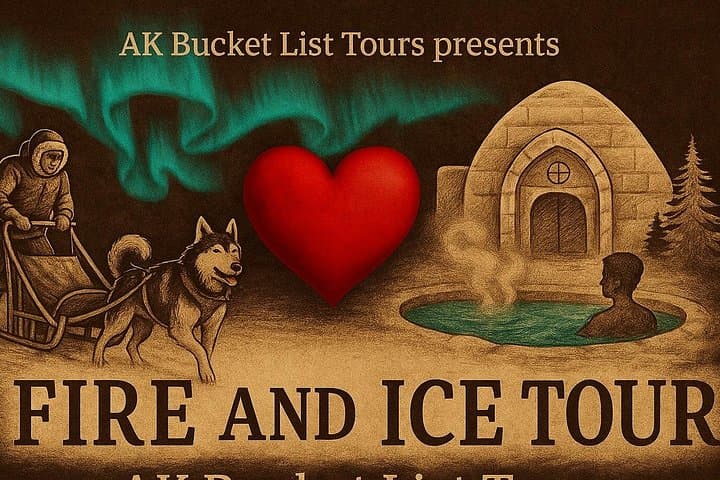
Spend an Arctic evening soaking in mineral hot springs, exploring glowing ice sculptures, then chasing the Aurora Borealis with an expert guide. This private, roughly nine-hour outing pairs warm pools and frosty art with roadside aurora viewing from the Fairbanks area.
Spend an Arctic evening soaking in mineral hot springs, exploring glowing ice sculptures, then chasing the Aurora Borealis with an expert guide. This private, roughly nine-hour outing pairs warm pools and frosty art with roadside aurora viewing from the Fairbanks area.
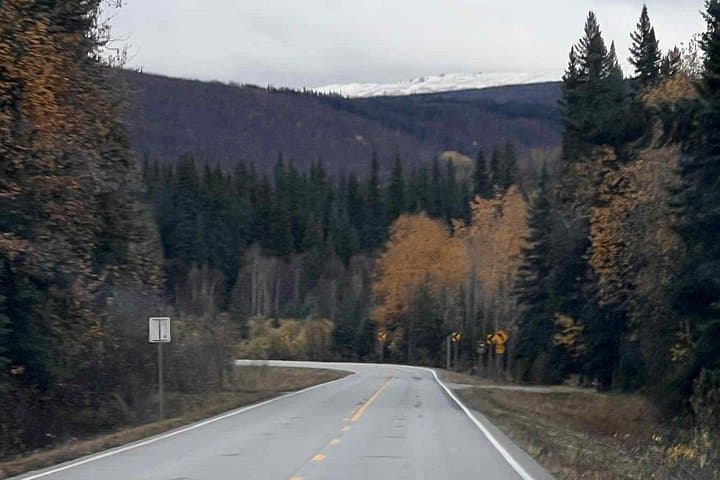
You pull away from Fairbanks as dusk softens the taiga; the road ahead narrows and the car’s heater hums while steam rises from a distant rim of trees. At Chena Hot Springs the pools hiss into the cold air, and inside the Ice Museum sculptures glow with internal light — a night that trades heat for frost and trades routine for spectacle.
Verified experiences and guided adventures in the surrounding area.
Operated by AK Bucket List Tours · Fairbanks, Alaska
You pull away from Fairbanks as dusk softens the taiga; the road ahead narrows and the car’s heater hums while steam rises from a distant rim of trees. At Chena Hot Springs the pools hiss into the cold air, and inside the Ice Museum sculptures glow with internal light — a night that trades heat for frost and trades routine for spectacle.
Geology here is plain and active: geothermal upwelling warms groundwater through faults in the Quaternary basalts beneath the Tanana Valley, creating mineral-rich pools where people have bathed for a century. The area has long been part of Athabascan lands and later drew prospectors and settlers who built roads and small resorts. Local culture mixes frontier practicality with storytelling about the lights; guides often pair aurora lore with the physics of charged solar particles colliding with the upper atmosphere.
Expect thermal pools, an hour-plus scenic drive each way (roughly 60 road miles from central Fairbanks), a short self-guided stop in the Ice Museum, and guided outings to roadside viewing spots. Temperatures can drop sharply at night; the aurora will flirt, swirl, or remain hidden — guides optimize locations based on cloud cover and activity indices but can’t promise displays.
Practical tips: dress in insulated layers, bring a tripod and spare batteries for night photography, and plan for up to nine hours total including drive time. If you’re sensitive to cold, schedule shorter outdoor stints and warm up in the pools between viewings. This is a low-technical, weather-dependent adventure that rewards patience, warm gear, and a willingness to trade comfort for a possible sky show.
No — the aurora is a natural phenomenon and sightings can’t be guaranteed; guides choose viewing locations based on weather and geomagnetic activity to improve your chances.
The resort is roughly a 1.5–2 hour drive each way from central Fairbanks depending on road and weather conditions.
Food is not included; you’ll have the option to dine at the resort restaurant during the visit for additional cost.
The tour notes stroller access and service animals allowed, but expect some walking on uneven surfaces and outdoor exposure to cold; contact the operator about specific mobility needs.
AK Bucket List Tours operates guided outdoor trips and adventures with an emphasis on safety, stewardship, and memorable experiences.
You pull away from Fairbanks as dusk softens the taiga; the road ahead narrows and the car’s heater hums while steam rises from a distant rim of trees. At Chena Hot Springs the pools hiss into the cold air, and inside the Ice Museum sculptures glow with internal light — a night that trades heat for frost and trades routine for spectacle.
You pull away from Fairbanks as dusk softens the taiga; the road ahead narrows and the car’s heater hums while steam rises from a distant rim of trees. At Chena Hot Springs the pools hiss into the cold air, and inside the Ice Museum sculptures glow with internal light — a night that trades heat for frost and trades routine for spectacle.
Geology here is plain and active: geothermal upwelling warms groundwater through faults in the Quaternary basalts beneath the Tanana Valley, creating mineral-rich pools where people have bathed for a century. The area has long been part of Athabascan lands and later drew prospectors and settlers who built roads and small resorts. Local culture mixes frontier practicality with storytelling about the lights; guides often pair aurora lore with the physics of charged solar particles colliding with the upper atmosphere.
Expect thermal pools, an hour-plus scenic drive each way (roughly 60 road miles from central Fairbanks), a short self-guided stop in the Ice Museum, and guided outings to roadside viewing spots. Temperatures can drop sharply at night; the aurora will flirt, swirl, or remain hidden — guides optimize locations based on cloud cover and activity indices but can’t promise displays.
Practical tips: dress in insulated layers, bring a tripod and spare batteries for night photography, and plan for up to nine hours total including drive time. If you’re sensitive to cold, schedule shorter outdoor stints and warm up in the pools between viewings. This is a low-technical, weather-dependent adventure that rewards patience, warm gear, and a willingness to trade comfort for a possible sky show.