THE ADVENTURE COLLECTIVE® · Independent discovery and booking for outdoor travel

Spend two hours exploring Mont‑Tremblant’s quieter winter forests with a guide who mixes practical skills and Québécois stories. This easy snowshoe tour includes equipment and a hands-on fire-starting demonstration—perfect for first-timers and families.
Spend two hours exploring Mont‑Tremblant’s quieter winter forests with a guide who mixes practical skills and Québécois stories. This easy snowshoe tour includes equipment and a hands-on fire-starting demonstration—perfect for first-timers and families.
You meet at the base of Mont‑Tremblant, snow crunching underfoot, guide waiting with a grin and a pair of snowshoes. The ascent is steady but unhurried—tracks through fir and spruce that open onto short outlooks where the resort and frozen lakes sit like pale mirrors. Midway the guide stops, demonstrates fire-starting on packed snow, and tells Québécois folk tales that feel as local as the pine scent.
Verified experiences and guided adventures in the surrounding area.
Operated by The Tremblant Activity Centre · Mont-Tremblant, Quebec
You meet at the base of Mont‑Tremblant, snow crunching underfoot, guide waiting with a grin and a pair of snowshoes. The ascent is steady but unhurried—tracks through fir and spruce that open onto short outlooks where the resort and frozen lakes sit like pale mirrors. Midway the guide stops, demonstrates fire-starting on packed snow, and tells Québécois folk tales that feel as local as the pine scent.
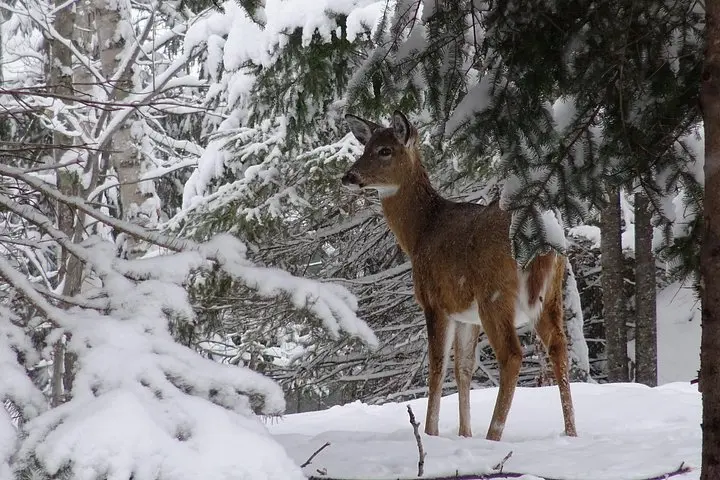
Geology here is old: the Laurentian highlands are part of the ancient Canadian Shield, rounded hills of gneiss and granite that channel streams into clear lakes. The area has long been traveled by Indigenous peoples, later by loggers and then by winter recreationists; the mountain’s resort history dates to early-20th-century alpine development. Expect to see deer and to find tracks from porcupine or hare, and hear the scrape of wind against branches.
Practically, the tour runs about two hours and is designed for all fitness levels; snowshoeing on established forest trails is low-impact but requires basic balance. Snowshoes or crampons are provided depending on conditions. Dress in warm layers, wear waterproof boots, bring a small daypack with water and a snack, and allow extra time for fitting. Trails can be icy in morning and softening by mid-afternoon; guides adjust pace to conditions. This outing is short, social, and instructive—ideal if you want an active introduction to winter backcountry without technical demands.
Yes—snowshoes or crampons are provided and fitted at the meeting point depending on snow and ice conditions.
Yes—the tour is designed for all fitness levels and includes basic instruction; prior experience is not required.
All sales are final; the operator may cancel for bad weather or insufficient travelers and will not issue refunds for participant cancellations.
The tour meets at the base of Mont‑Tremblant Resort—check your booking confirmation for the exact meeting location and advised arrival time.
The Tremblant Activity Centre operates guided outdoor trips and adventures with an emphasis on safety, stewardship, and memorable experiences.
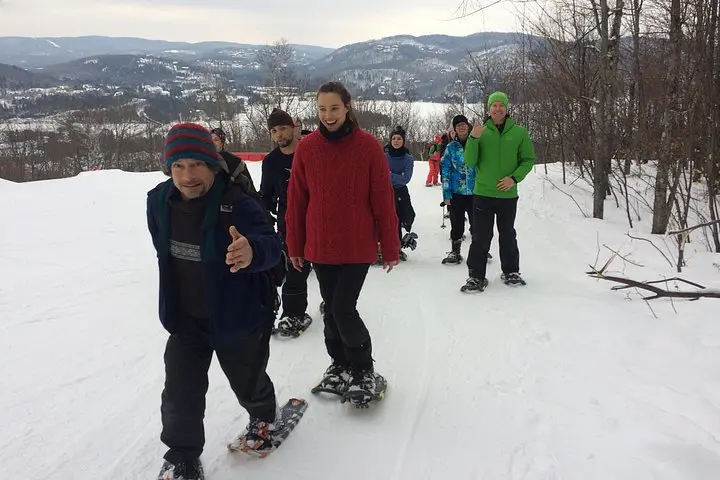
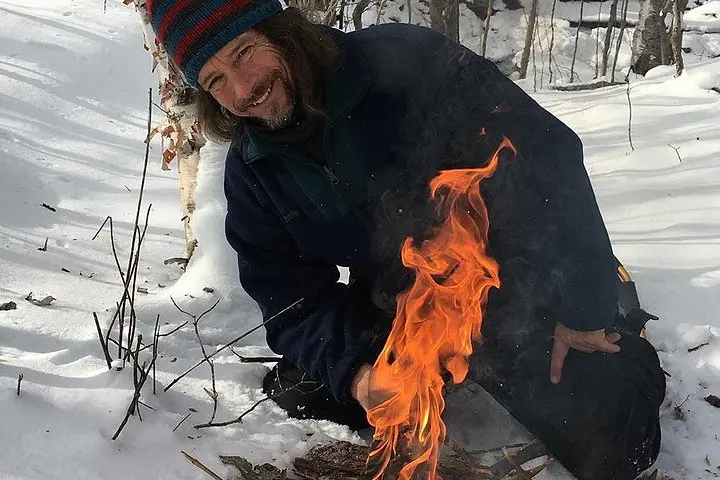
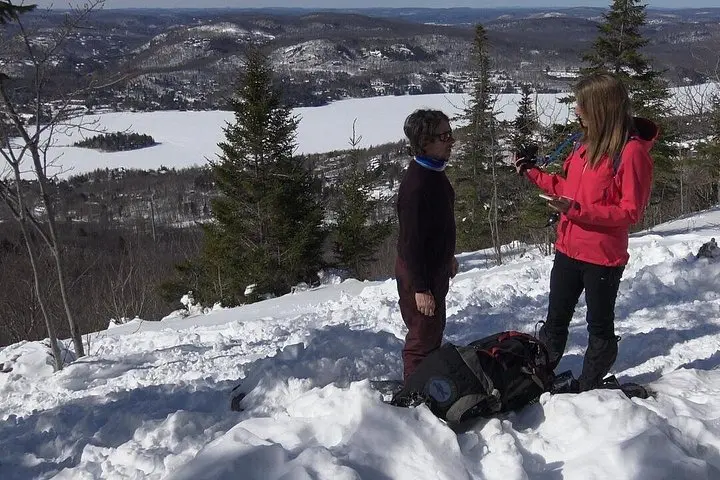
You meet at the base of Mont‑Tremblant, snow crunching underfoot, guide waiting with a grin and a pair of snowshoes. The ascent is steady but unhurried—tracks through fir and spruce that open onto short outlooks where the resort and frozen lakes sit like pale mirrors. Midway the guide stops, demonstrates fire-starting on packed snow, and tells Québécois folk tales that feel as local as the pine scent.
You meet at the base of Mont‑Tremblant, snow crunching underfoot, guide waiting with a grin and a pair of snowshoes. The ascent is steady but unhurried—tracks through fir and spruce that open onto short outlooks where the resort and frozen lakes sit like pale mirrors. Midway the guide stops, demonstrates fire-starting on packed snow, and tells Québécois folk tales that feel as local as the pine scent.
Geology here is old: the Laurentian highlands are part of the ancient Canadian Shield, rounded hills of gneiss and granite that channel streams into clear lakes. The area has long been traveled by Indigenous peoples, later by loggers and then by winter recreationists; the mountain’s resort history dates to early-20th-century alpine development. Expect to see deer and to find tracks from porcupine or hare, and hear the scrape of wind against branches.
Practically, the tour runs about two hours and is designed for all fitness levels; snowshoeing on established forest trails is low-impact but requires basic balance. Snowshoes or crampons are provided depending on conditions. Dress in warm layers, wear waterproof boots, bring a small daypack with water and a snack, and allow extra time for fitting. Trails can be icy in morning and softening by mid-afternoon; guides adjust pace to conditions. This outing is short, social, and instructive—ideal if you want an active introduction to winter backcountry without technical demands.