THE ADVENTURE COLLECTIVE® · Independent discovery and booking for outdoor travel

See Tokyo’s highlights in a day with a private walking tour that pairs Meiji Shrine serenity, Harajuku style, Tsukiji flavors, and Senso-ji’s historic bustle. Expect 5–6 hours of guided, mostly level walking and curated local insights.
See Tokyo’s highlights in a day with a private walking tour that pairs Meiji Shrine serenity, Harajuku style, Tsukiji flavors, and Senso-ji’s historic bustle. Expect 5–6 hours of guided, mostly level walking and curated local insights.
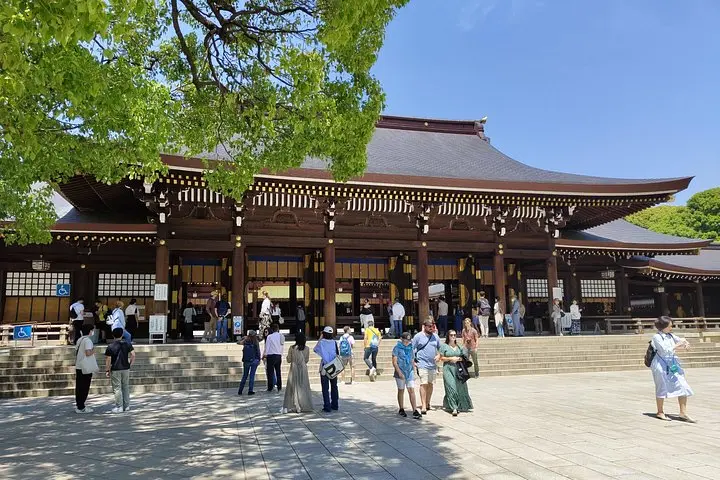
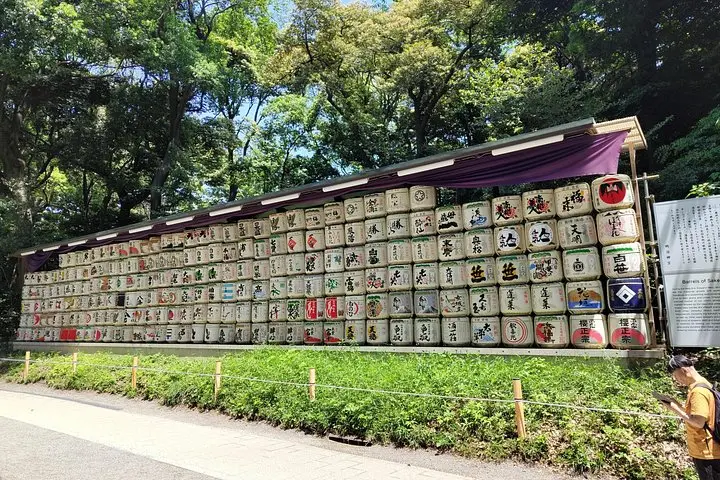
Stepping out of Tokyo Station’s red-brick façade, the city unfolds like an urban expedition—shuttered train platforms hum beneath, a torii gate frames a dappled approach through cedar at Meiji Jingu, and the scent of ocean and soy drifts from Tsukiji stalls.
Verified experiences and guided adventures in the surrounding area.
Operated by Stump Travel · Tokyo, Tokyo
Stepping out of Tokyo Station’s red-brick façade, the city unfolds like an urban expedition—shuttered train platforms hum beneath, a torii gate frames a dappled approach through cedar at Meiji Jingu, and the scent of ocean and soy drifts from Tsukiji stalls.
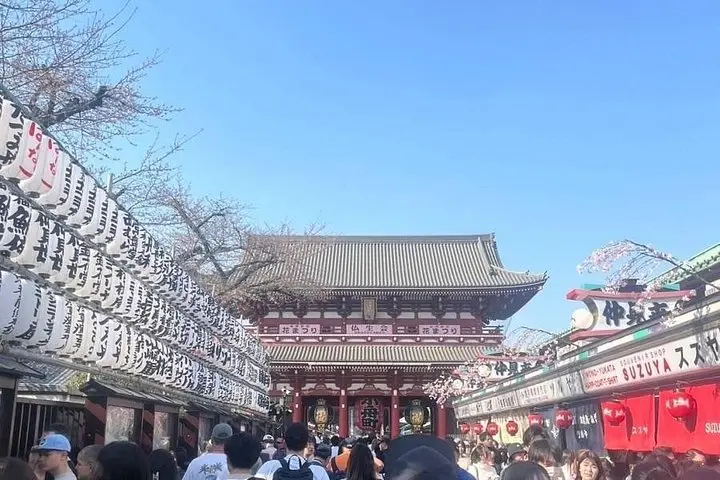
This private walking tour stitches together Tokyo’s living history: Edo’s merchant lanes became modern shopping streets; the Meiji era’s rapid westernization left stately architecture and imperial gardens; Senso-ji preserves a throbbing temple market that dates to the 7th century. Geologically the city sits on the Kanto Plain and coastal reclaimed land, a flat canvas that enabled Tokyo’s layered expansion and demands constant seismic-aware infrastructure.
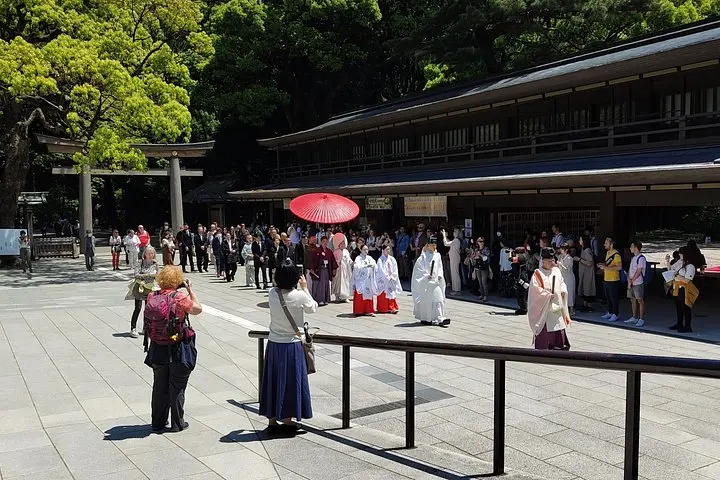
Culturally the day is a study in contrasts—Harajuku’s pop energy and Omotesando’s clean-lined avenues, the ritual calm of a shrine, and the practical bustle of a railway hub. Guides here act as cultural translators: explaining shrine etiquette, pointing out architectural details, and steering you to the best stall-made lunch at Tsukiji.
Practically, expect 5–6 hours of mostly level walking with short transport hops; the route covers several kilometers with frequent stops. Bring comfortable, broken-in shoes, a small daypack with water, and a compact umbrella for sudden rain. Cash visits to Nakamise and small vendors are common; tipping is not customary. For first-timers this private format is efficient—book in advance to customize neighborhoods, and plan for mid-morning starts to avoid the heaviest crowds.
The private tour runs about 5–6 hours with mostly level walking between stops; expect several kilometers of walking broken by guided stops at shrines, markets, and stations.
Yes — the itinerary is adaptable; many stops are wheelchair- and stroller-accessible but notify the operator when booking to tailor pace and routes.
Most sites on this itinerary have free outdoor access; individual attraction fees (museums, exhibits) are usually optional and noted in advance if included.
Tipping is not customary in Japan; thoughtful thanks and small gifts or positive reviews are appreciated instead.
Stump Travel operates guided outdoor trips and adventures with an emphasis on safety, stewardship, and memorable experiences.
Stepping out of Tokyo Station’s red-brick façade, the city unfolds like an urban expedition—shuttered train platforms hum beneath, a torii gate frames a dappled approach through cedar at Meiji Jingu, and the scent of ocean and soy drifts from Tsukiji stalls.
Stepping out of Tokyo Station’s red-brick façade, the city unfolds like an urban expedition—shuttered train platforms hum beneath, a torii gate frames a dappled approach through cedar at Meiji Jingu, and the scent of ocean and soy drifts from Tsukiji stalls.
This private walking tour stitches together Tokyo’s living history: Edo’s merchant lanes became modern shopping streets; the Meiji era’s rapid westernization left stately architecture and imperial gardens; Senso-ji preserves a throbbing temple market that dates to the 7th century. Geologically the city sits on the Kanto Plain and coastal reclaimed land, a flat canvas that enabled Tokyo’s layered expansion and demands constant seismic-aware infrastructure.
Culturally the day is a study in contrasts—Harajuku’s pop energy and Omotesando’s clean-lined avenues, the ritual calm of a shrine, and the practical bustle of a railway hub. Guides here act as cultural translators: explaining shrine etiquette, pointing out architectural details, and steering you to the best stall-made lunch at Tsukiji.
Practically, expect 5–6 hours of mostly level walking with short transport hops; the route covers several kilometers with frequent stops. Bring comfortable, broken-in shoes, a small daypack with water, and a compact umbrella for sudden rain. Cash visits to Nakamise and small vendors are common; tipping is not customary. For first-timers this private format is efficient—book in advance to customize neighborhoods, and plan for mid-morning starts to avoid the heaviest crowds.