THE ADVENTURE COLLECTIVE® · Independent discovery and booking for outdoor travel

Cover five West African nations in a compact, road-based cultural tour that traces slave routes, sacred sites, coastal villages and bustling capital cities. Expect long drives, layered history, and immersive local markets.
Cover five West African nations in a compact, road-based cultural tour that traces slave routes, sacred sites, coastal villages and bustling capital cities. Expect long drives, layered history, and immersive local markets.
Arriving in Lagos, the city pushes and pulls like a living transit map: humid air, honking minibuses, and markets spilling fruit onto the pavement. From there the tour settles into a steady rhythm of highways and coastal roads that carry travelers through Badagry’s slave museum, Porto-Novo’s colonial streets, and the palm-lined approaches to Ouidah and Ganvie’s stilt village.
Verified experiences and guided adventures in the surrounding area.
Operated by Ucomeafrik-Tours · Lagos, Lagos State
Arriving in Lagos, the city pushes and pulls like a living transit map: humid air, honking minibuses, and markets spilling fruit onto the pavement. From there the tour settles into a steady rhythm of highways and coastal roads that carry travelers through Badagry’s slave museum, Porto-Novo’s colonial streets, and the palm-lined approaches to Ouidah and Ganvie’s stilt village.
The route is a compact survey of West Africa’s modern and precolonial layers. Visitors follow the slave route to the “Point of No Return,” cross Benin’s sacred forests and python temples, skim Togo’s fetish markets in Lomé, then enter Ghana’s Accra and Cape Coast where Kakum’s canopy and Elmina’s dungeons narrate Atlantic-era history. The final days traverse Côte d’Ivoire’s bustling Abidjan and the planned capital Yamoussoukro with its basilica and crocodile ponds. Geology shifts from lagoonal coasts and mangroves to inland rainforest fragments around Ankasa and freshwater wetlands at Nzulezu.
Practical travel sense matters: this is road-heavy travel—expect multiple border crossings, immigration paperwork, and long drives of several hours each day. Bring a valid passport (many parks require yellow fever proof), a compact daypack, durable walking shoes for cobbled forts and forest trails, and a power bank for long transfers. Drink bottled water, keep small local currency for markets, and time the trip during the dry season (roughly November–March) to avoid river ferries and dirt-road delays. Guides handle logistics and local permissions; travelers should be ready for immersive cultural encounters and roadside surprises.
Visa requirements depend on your nationality—check embassies for Nigeria, Benin, Togo, Ghana and Côte d’Ivoire and obtain visas in advance where required.
The itinerary is guided and generally safe, but standard precautions apply: secure valuables, follow local guidance, and avoid late-night solo walks in unfamiliar urban areas.
Expect several long driving legs, often 3–8 hours between major stops; the trip is road-focused with frequent short visits at key sites.
Routine vaccinations and yellow fever are frequently required; consult a travel clinic about malaria prophylaxis and other region-specific recommendations.
Ucomeafrik-Tours operates guided outdoor trips and adventures with an emphasis on safety, stewardship, and memorable experiences.
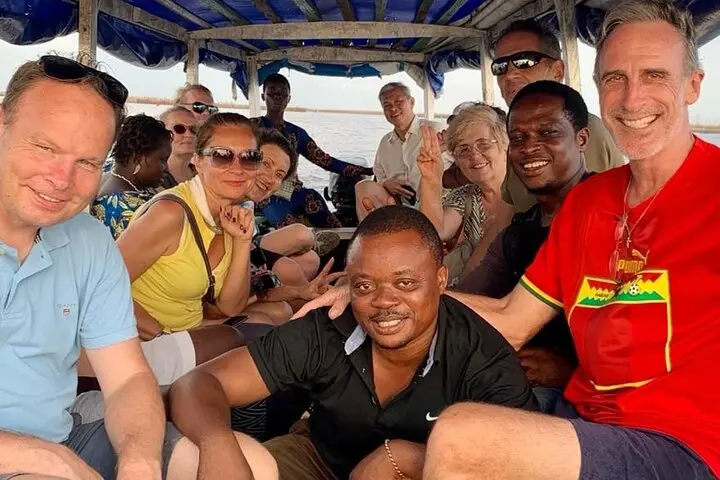
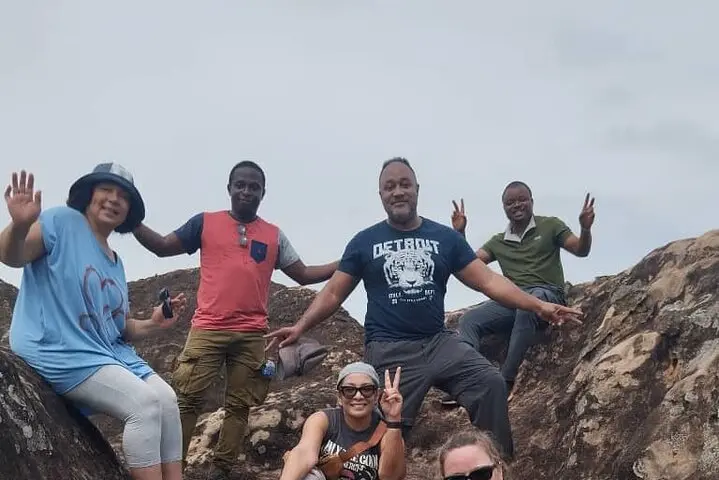
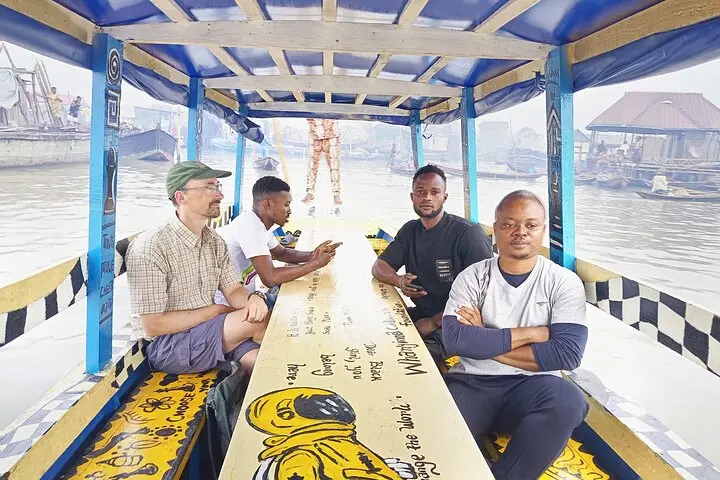
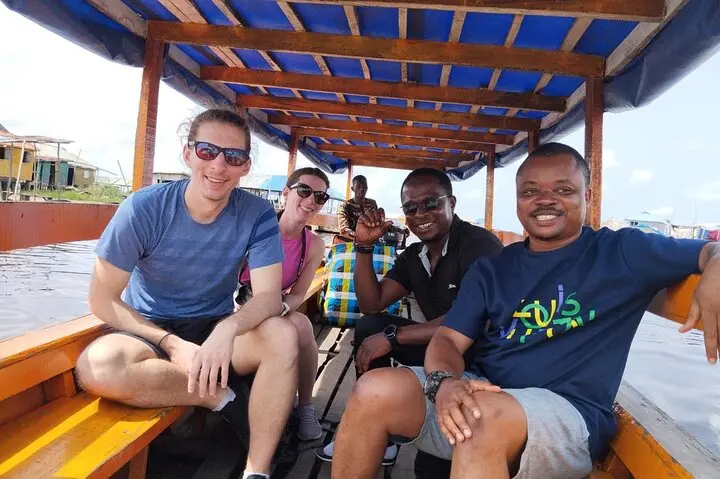
Arriving in Lagos, the city pushes and pulls like a living transit map: humid air, honking minibuses, and markets spilling fruit onto the pavement. From there the tour settles into a steady rhythm of highways and coastal roads that carry travelers through Badagry’s slave museum, Porto-Novo’s colonial streets, and the palm-lined approaches to Ouidah and Ganvie’s stilt village.
Arriving in Lagos, the city pushes and pulls like a living transit map: humid air, honking minibuses, and markets spilling fruit onto the pavement. From there the tour settles into a steady rhythm of highways and coastal roads that carry travelers through Badagry’s slave museum, Porto-Novo’s colonial streets, and the palm-lined approaches to Ouidah and Ganvie’s stilt village.
The route is a compact survey of West Africa’s modern and precolonial layers. Visitors follow the slave route to the “Point of No Return,” cross Benin’s sacred forests and python temples, skim Togo’s fetish markets in Lomé, then enter Ghana’s Accra and Cape Coast where Kakum’s canopy and Elmina’s dungeons narrate Atlantic-era history. The final days traverse Côte d’Ivoire’s bustling Abidjan and the planned capital Yamoussoukro with its basilica and crocodile ponds. Geology shifts from lagoonal coasts and mangroves to inland rainforest fragments around Ankasa and freshwater wetlands at Nzulezu.
Practical travel sense matters: this is road-heavy travel—expect multiple border crossings, immigration paperwork, and long drives of several hours each day. Bring a valid passport (many parks require yellow fever proof), a compact daypack, durable walking shoes for cobbled forts and forest trails, and a power bank for long transfers. Drink bottled water, keep small local currency for markets, and time the trip during the dry season (roughly November–March) to avoid river ferries and dirt-road delays. Guides handle logistics and local permissions; travelers should be ready for immersive cultural encounters and roadside surprises.