THE ADVENTURE COLLECTIVE® · Independent discovery and booking for outdoor travel

Camp under acacia skies and follow the wildebeest across Tanzania’s iconic parks. This five-day circuit pairs Tarangire’s baobabs, Serengeti game drives and a descent into Ngorongoro Crater with a local Maasai visit.
Camp under acacia skies and follow the wildebeest across Tanzania’s iconic parks. This five-day circuit pairs Tarangire’s baobabs, Serengeti game drives and a descent into Ngorongoro Crater with a local Maasai visit.
Dawn breaks over grass and kopjes as your roof-top tent folds up and the jeep growls toward the first waterhole. Light rims baobabs in Tarangire; later the Serengeti’s plains open like a map of movement and the Ngorongoro rim drops away into a shadowed bowl.
Verified experiences and guided adventures in the surrounding area.
Operated by MERU SLOPES TOURS AND SAFARIS · Arusha, Arusha Region
Dawn breaks over grass and kopjes as your roof-top tent folds up and the jeep growls toward the first waterhole. Light rims baobabs in Tarangire; later the Serengeti’s plains open like a map of movement and the Ngorongoro rim drops away into a shadowed bowl.
This five-day loop follows classic northern Tanzania highlights: a full day in Tarangire (about 115 km from Arusha), two days roaming Seronera’s rich Serengeti habitat and a day inside the Ngorongoro Crater. Geology steers the route — Ngorongoro is a collapsed volcanic caldera roughly 260 km² and about 610 m deep, while the Serengeti’s shallow, ancient soils and scattered granitic kopjes shape where predators and prey meet. You’ll encounter Maasai communities around Mto wa Mbu; their pastoral culture remains visible in dress, cattle enclosures and village tours.
Expect long game drives timed for sunrise and sunset, basic campsite amenities, and meals provided from the vehicle or camp kitchen. The itinerary targets the Great Migration season (best June–September for northern crossings; calving Jan–March in southern/central areas) but wildlife viewing is year-round.
Practical edge: early mornings are cold and mid-days hot — layer for temperature swings and bring a daypack with water, binoculars and a headlamp. Vehicles are 4x4 safari jeeps with Wi‑Fi and unlimited drinking water included; AMREF medevac coverage is listed. Bring malaria prevention, photocopies of documents, and cash for local tips or market purchases. With patience and basic preparation, this trip delivers intense wildlife time, nightly skies and direct cultural encounters without expert trekking skills required.
No — camps are organized, staff handle meals and tent setup; basic mobility and comfort with simple facilities are sufficient.
June–September offers the best chance to observe Mara River crossings in northern Serengeti; January–March is prime for calving in southern/central plains.
This tour lists all fees and taxes included; confirm during booking and carry printed or mobile vouchers for entrance checks.
The itinerary notes stroller access and infant seating; however, long drives and early starts may be tiring—check age policies with operator before booking.
MERU SLOPES TOURS AND SAFARIS operates guided outdoor trips and adventures with an emphasis on safety, stewardship, and memorable experiences.
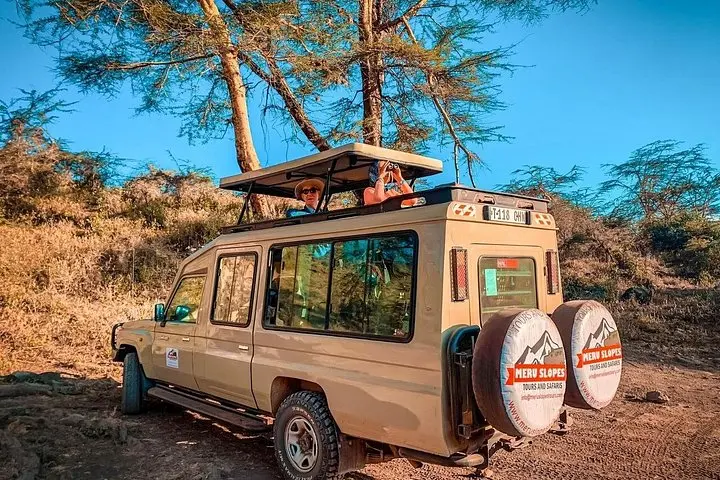
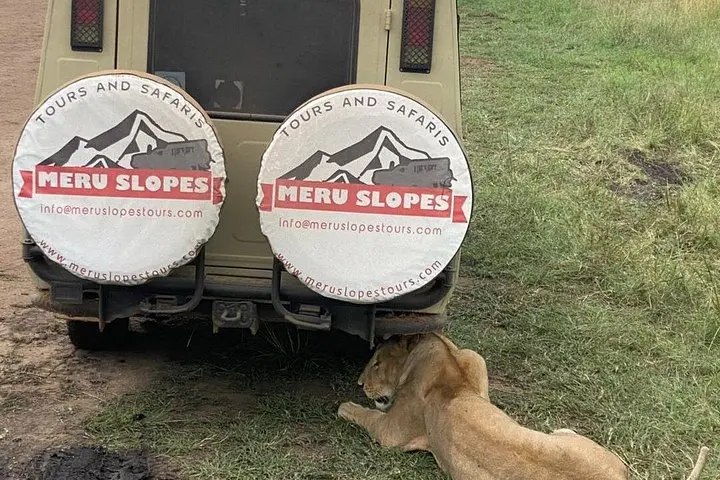
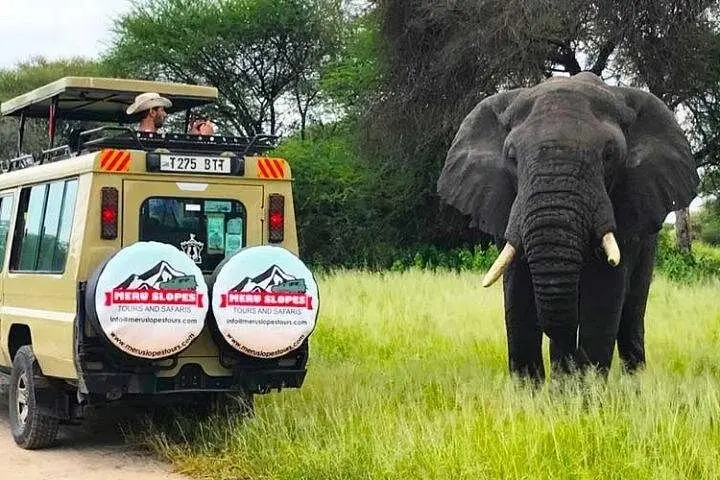
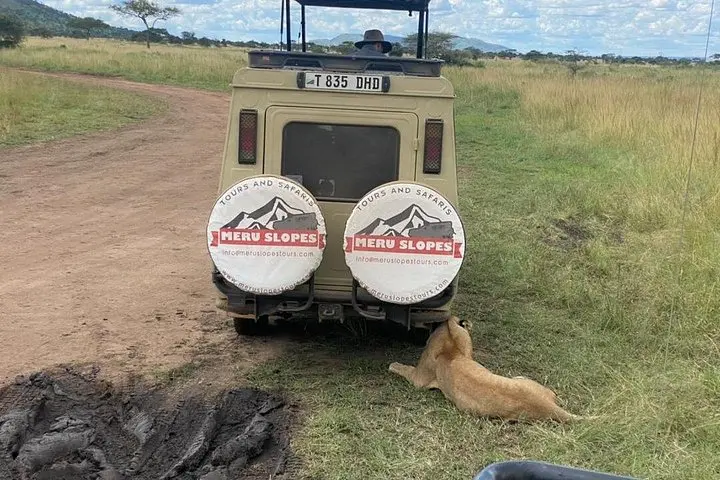
Dawn breaks over grass and kopjes as your roof-top tent folds up and the jeep growls toward the first waterhole. Light rims baobabs in Tarangire; later the Serengeti’s plains open like a map of movement and the Ngorongoro rim drops away into a shadowed bowl.
Dawn breaks over grass and kopjes as your roof-top tent folds up and the jeep growls toward the first waterhole. Light rims baobabs in Tarangire; later the Serengeti’s plains open like a map of movement and the Ngorongoro rim drops away into a shadowed bowl.
This five-day loop follows classic northern Tanzania highlights: a full day in Tarangire (about 115 km from Arusha), two days roaming Seronera’s rich Serengeti habitat and a day inside the Ngorongoro Crater. Geology steers the route — Ngorongoro is a collapsed volcanic caldera roughly 260 km² and about 610 m deep, while the Serengeti’s shallow, ancient soils and scattered granitic kopjes shape where predators and prey meet. You’ll encounter Maasai communities around Mto wa Mbu; their pastoral culture remains visible in dress, cattle enclosures and village tours.
Expect long game drives timed for sunrise and sunset, basic campsite amenities, and meals provided from the vehicle or camp kitchen. The itinerary targets the Great Migration season (best June–September for northern crossings; calving Jan–March in southern/central areas) but wildlife viewing is year-round.
Practical edge: early mornings are cold and mid-days hot — layer for temperature swings and bring a daypack with water, binoculars and a headlamp. Vehicles are 4x4 safari jeeps with Wi‑Fi and unlimited drinking water included; AMREF medevac coverage is listed. Bring malaria prevention, photocopies of documents, and cash for local tips or market purchases. With patience and basic preparation, this trip delivers intense wildlife time, nightly skies and direct cultural encounters without expert trekking skills required.