THE ADVENTURE COLLECTIVE® · Independent discovery and booking for outdoor travel

Float over Luxor at sunrise, cruise the Nile in comfort and trace pharaonic history from Karnak to Abu Simbel. This five-day cruise pairs a hot-air balloon dawn, guided temple tours and on-board comforts for a packed, accessible Nile experience.
Float over Luxor at sunrise, cruise the Nile in comfort and trace pharaonic history from Karnak to Abu Simbel. This five-day cruise pairs a hot-air balloon dawn, guided temple tours and on-board comforts for a packed, accessible Nile experience.
Dawn breaks as the Nile slides past the ship like a slow-moving city, and the balloon’s shadow drifts across the river—this is the first impression most travelers carry away from a five-day Luxor–Aswan cruise. You step onto the sun-warmed deck with coffee in hand, balmy air pushing at your sleeves, and know the week ahead will stitch ancient stonework to present-day rhythm.
Verified experiences and guided adventures in the surrounding area.
Operated by Egypt Travel Line · Luxor, Luxor Governorate
Dawn breaks as the Nile slides past the ship like a slow-moving city, and the balloon’s shadow drifts across the river—this is the first impression most travelers carry away from a five-day Luxor–Aswan cruise. You step onto the sun-warmed deck with coffee in hand, balmy air pushing at your sleeves, and know the week ahead will stitch ancient stonework to present-day rhythm.
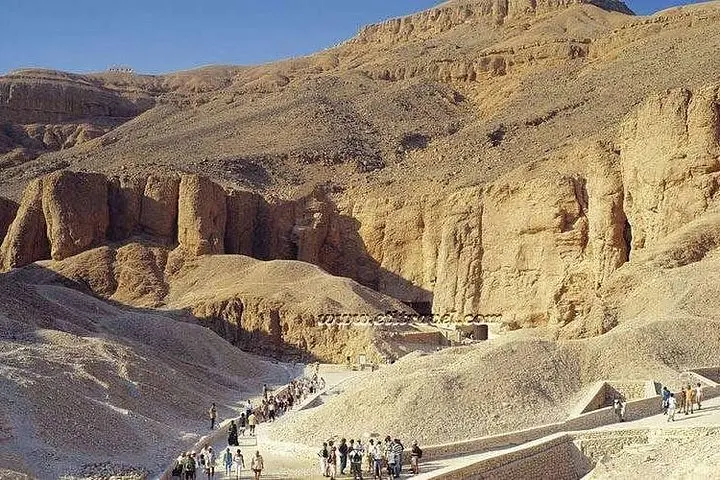
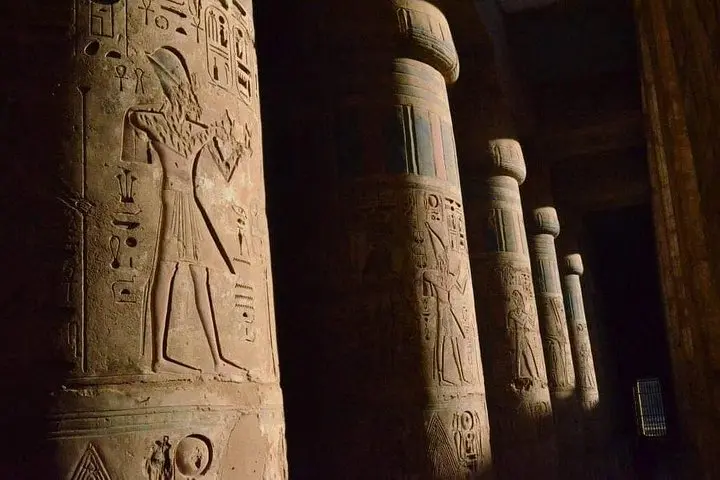
The itinerary threads through Thebes: the Valley of the Kings, Hatshepsut’s terraced mortuary temple, Karnak’s columned hypostyle hall and the compact magnificence of Edfu and Kom Ombo. Geologically, the Nile valley cuts through pharaonic limestone and sandstone benches; temples were carved from those beds and later raised or moved—Abu Simbel’s 1960s relocation behind the High Dam is one modern echo of an ancient landscape.
Culturally, local Egyptologists animate the sites with stories of pharaohs, temple rites and river commerce; Aswan’s Nubian influences add craftsmen, bright textiles and cuisine to the mix. The Nile itself seems to have will—calm on most days, insistent during seasonal floods historically central to agriculture.
Practical notes: expect early departures for balloon and Abu Simbel, full-board meals aboard a five-star cruise and guided shore visits. Walks include uneven stone steps, desert sand and short climbs in temple complexes—sturdy shoes and sun protection are essential. Hydrate often, carry cash for small purchases and tip locally for guides and crew. If mobility is a concern, confirm wheelchair access in advance; many operators provide accessible options but some temple approaches remain stepped. This trip pairs slow river travel with intense daily archaeology—a compact, high-contact way to experience Egypt’s Nile corridor.
Yes — the itinerary lists a hot-air balloon trip, typically scheduled at sunrise on the Luxor morning; confirm exact timing with the operator.
Round-trip flight tickets between Cairo and Luxor are included as part of this package; check your booking confirmation for flight times and baggage allowances.
The listing notes wheelchair-accessible options; however, some temple entrances and uneven stone approaches remain stepped—notify the operator in advance to arrange accessible transfers where possible.
Fall through spring (October–April) offers cooler temperatures and more comfortable sightseeing; summers are very hot, especially inland at daytime temple sites.
Egypt Travel Line operates guided outdoor trips and adventures with an emphasis on safety, stewardship, and memorable experiences.

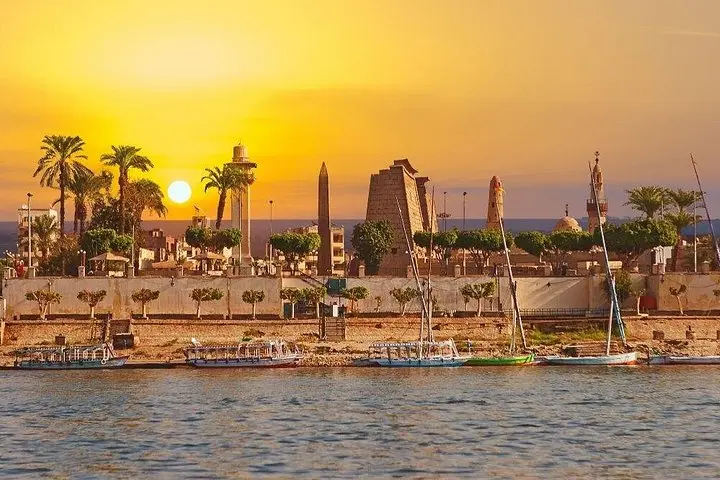
Dawn breaks as the Nile slides past the ship like a slow-moving city, and the balloon’s shadow drifts across the river—this is the first impression most travelers carry away from a five-day Luxor–Aswan cruise. You step onto the sun-warmed deck with coffee in hand, balmy air pushing at your sleeves, and know the week ahead will stitch ancient stonework to present-day rhythm.
Dawn breaks as the Nile slides past the ship like a slow-moving city, and the balloon’s shadow drifts across the river—this is the first impression most travelers carry away from a five-day Luxor–Aswan cruise. You step onto the sun-warmed deck with coffee in hand, balmy air pushing at your sleeves, and know the week ahead will stitch ancient stonework to present-day rhythm.
The itinerary threads through Thebes: the Valley of the Kings, Hatshepsut’s terraced mortuary temple, Karnak’s columned hypostyle hall and the compact magnificence of Edfu and Kom Ombo. Geologically, the Nile valley cuts through pharaonic limestone and sandstone benches; temples were carved from those beds and later raised or moved—Abu Simbel’s 1960s relocation behind the High Dam is one modern echo of an ancient landscape.
Culturally, local Egyptologists animate the sites with stories of pharaohs, temple rites and river commerce; Aswan’s Nubian influences add craftsmen, bright textiles and cuisine to the mix. The Nile itself seems to have will—calm on most days, insistent during seasonal floods historically central to agriculture.
Practical notes: expect early departures for balloon and Abu Simbel, full-board meals aboard a five-star cruise and guided shore visits. Walks include uneven stone steps, desert sand and short climbs in temple complexes—sturdy shoes and sun protection are essential. Hydrate often, carry cash for small purchases and tip locally for guides and crew. If mobility is a concern, confirm wheelchair access in advance; many operators provide accessible options but some temple approaches remain stepped. This trip pairs slow river travel with intense daily archaeology—a compact, high-contact way to experience Egypt’s Nile corridor.