THE ADVENTURE COLLECTIVE® · Independent discovery and booking for outdoor travel

A five-day loop from Hanoi into Northwest Vietnam that links Sapa, Mu Cang Chai and Thac Ba via high passes, rice terraces and village roads. Expect long riding days on 110–125cc scooters, dramatic elevation changes and close encounters with local hill-tribe culture.
A five-day loop from Hanoi into Northwest Vietnam that links Sapa, Mu Cang Chai and Thac Ba via high passes, rice terraces and village roads. Expect long riding days on 110–125cc scooters, dramatic elevation changes and close encounters with local hill-tribe culture.
The engine thumps to life before dawn and the dyke roads out of Hanoi open up like a map being unrolled. Riders push through lowland rice plains, cross the braided Red River and climb toward Lung Lo and the Mu Cang Chai massif, where terraces step up the slopes and the wind seems to pull you higher.
Verified experiences and guided adventures in the surrounding area.
Operated by Indochina Motorbike Tours · Hanoi, Hanoi
The engine thumps to life before dawn and the dyke roads out of Hanoi open up like a map being unrolled. Riders push through lowland rice plains, cross the braided Red River and climb toward Lung Lo and the Mu Cang Chai massif, where terraces step up the slopes and the wind seems to pull you higher.
This route threads French colonial history around Sapa—once a cool-season retreat—while Lung Lo Pass still carries stories from the First Indochina War, when supply routes were fought for and bombed. Geologically the loop follows the Hoang Lien-Son range, rising toward Tram Ton Pass above 2,000 m; expect steep hairpins, limestone outcrops and pockets of thick forest. Cultural life is constant at the roadside: Dao and Hmong villages, market stalls selling sticky rice and grilled meat, and longhouses that mark a different pace.
Practically, this is a demanding five-day loop. Daily distances range from roughly 160–180 km on mixed asphalt and occasional dirt, with elevation swings from river valleys to passes over 2,000 m. The tour uses 110–125cc geared scooters; helmets, basic riding gear and gasoline are supplied. Riders should be comfortable with long days in variable weather and able to handle steep climbs and tight descents.
Plan for layered rain protection, frequent hydration stops, and local-time starts to avoid late-afternoon traffic. Respect local customs when stopping in villages, check brakes before every mountain descent, and keep your camera ready—views open suddenly and demand a pause.
Yes—participants should hold a valid motorcycle license and be competent riding a geared scooter; local regulations and operator policies require that riders can legally operate the bikes.
The tour uses geared scooters of 110cc or 125cc and provides helmets, basic riding gear and gasoline for the route.
Physically demanding: expect consecutive long riding days with uphill passes to 2,000+ m; the operator advises high fitness and notes it is not suitable for travelers with spinal, heart issues or pregnancy.
This specific itinerary is built around riding; non-riders should check with the operator about support vehicles or private transfers—space and options are limited on this motorbike-focused tour.
Indochina Motorbike Tours operates guided outdoor trips and adventures with an emphasis on safety, stewardship, and memorable experiences.
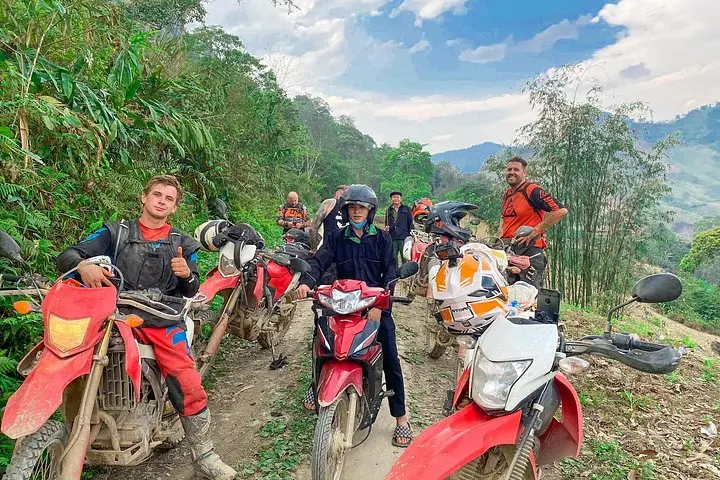
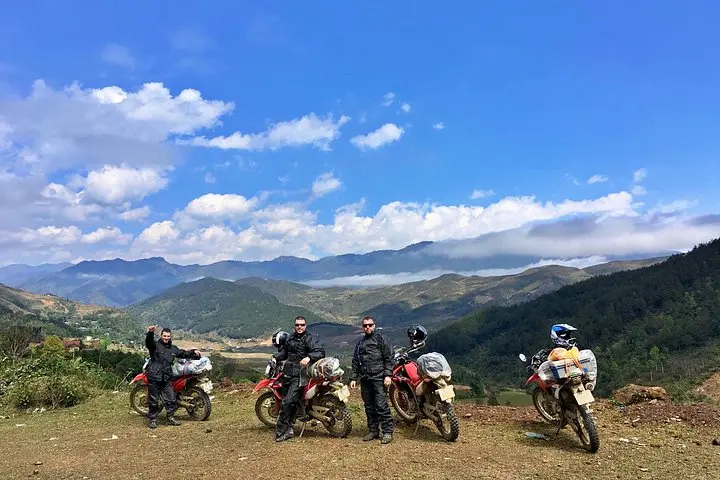
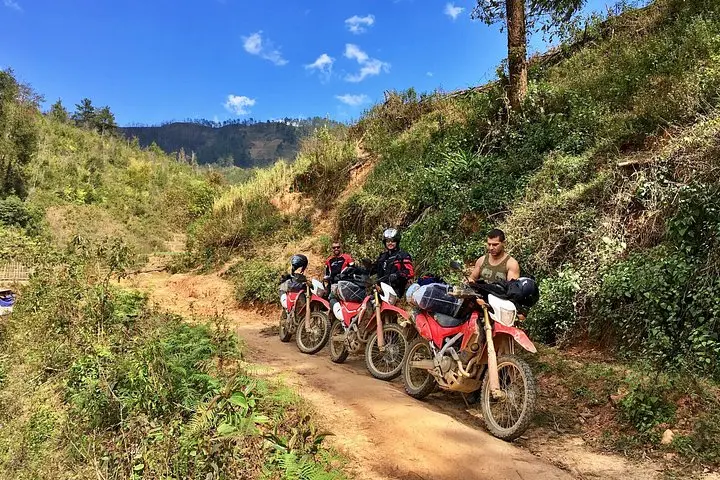
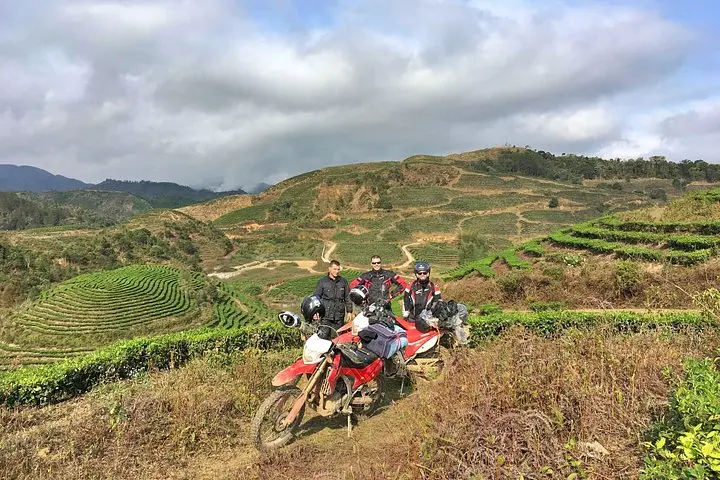
The engine thumps to life before dawn and the dyke roads out of Hanoi open up like a map being unrolled. Riders push through lowland rice plains, cross the braided Red River and climb toward Lung Lo and the Mu Cang Chai massif, where terraces step up the slopes and the wind seems to pull you higher.
The engine thumps to life before dawn and the dyke roads out of Hanoi open up like a map being unrolled. Riders push through lowland rice plains, cross the braided Red River and climb toward Lung Lo and the Mu Cang Chai massif, where terraces step up the slopes and the wind seems to pull you higher.
This route threads French colonial history around Sapa—once a cool-season retreat—while Lung Lo Pass still carries stories from the First Indochina War, when supply routes were fought for and bombed. Geologically the loop follows the Hoang Lien-Son range, rising toward Tram Ton Pass above 2,000 m; expect steep hairpins, limestone outcrops and pockets of thick forest. Cultural life is constant at the roadside: Dao and Hmong villages, market stalls selling sticky rice and grilled meat, and longhouses that mark a different pace.
Practically, this is a demanding five-day loop. Daily distances range from roughly 160–180 km on mixed asphalt and occasional dirt, with elevation swings from river valleys to passes over 2,000 m. The tour uses 110–125cc geared scooters; helmets, basic riding gear and gasoline are supplied. Riders should be comfortable with long days in variable weather and able to handle steep climbs and tight descents.
Plan for layered rain protection, frequent hydration stops, and local-time starts to avoid late-afternoon traffic. Respect local customs when stopping in villages, check brakes before every mountain descent, and keep your camera ready—views open suddenly and demand a pause.